 Save and group your favourite furniture
  Create separate moodboards for each project
  Export your moodboards as PDFs


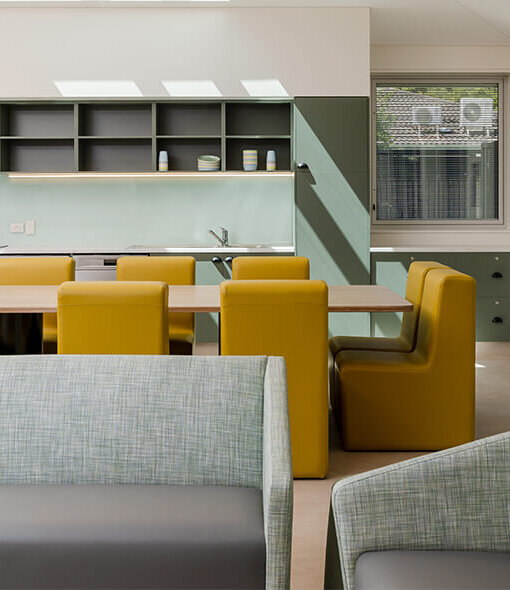

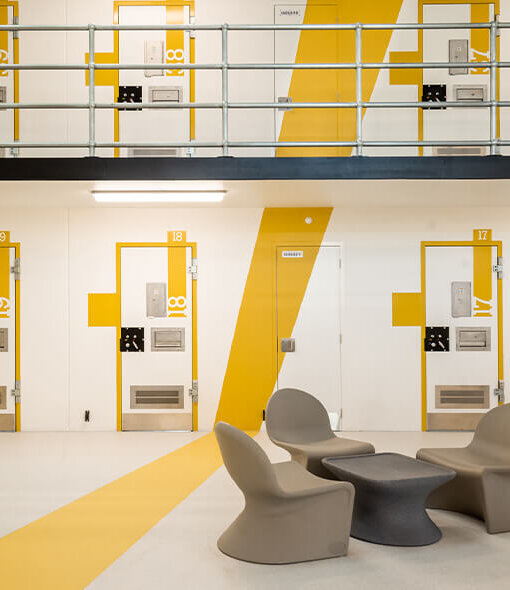
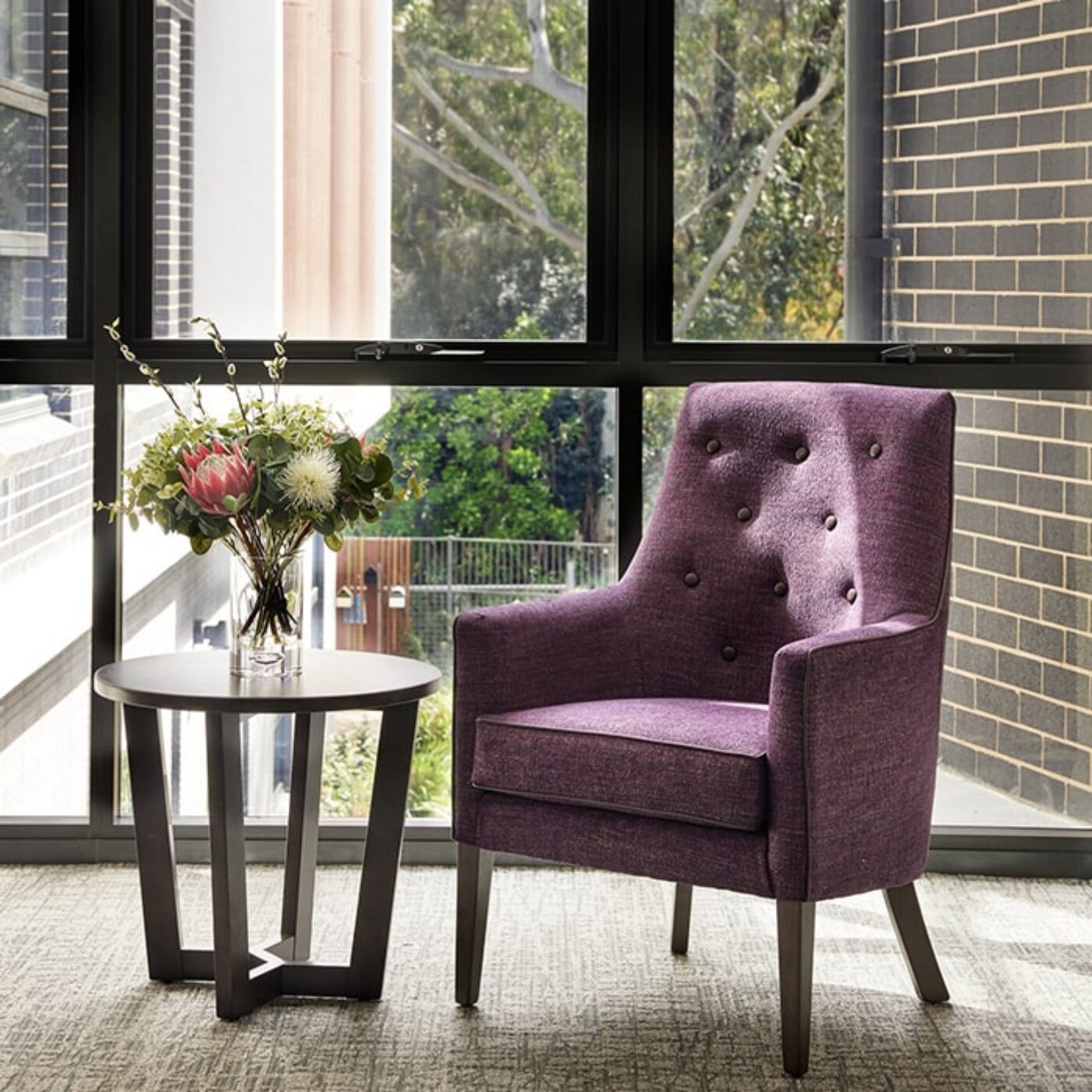
Seating is one of the most familiar features in any aged care environment. It is always present, quietly supporting daily routines, shared moments, and periods of rest. Yet its influence often goes unnoticed. The right seating can shape how residents move through a space, how long they feel comfortable staying there, and how confident they feel as part of their surroundings. When thoughtfully considered, seating becomes an integral part of everyday wellbeing.
Supportive seating is about more than offering a place to sit. It plays a subtle role in how residents maintain independence, participate in daily life, and feel at ease in shared environments. In settings where mobility, strength, and cognition vary from person to person, seating can gently adapt to those differences, helping spaces feel reassuring rather than demanding.
When seating begins to shape experience
The effects of poorly considered seating are often felt before they are articulated. Chairs that are too low, unstable, or difficult to use can make standing and sitting feel uncertain. Over time, this uncertainty can discourage independent movement or reduce a resident’s willingness to navigate communal spaces. When resting points are scarce or uncomfortable, confidence gradually gives way to hesitation.
Supportive seating changes this experience. It allows residents to pause naturally as they move through a space, to settle comfortably during activities, and to remain present in social settings for longer. These moments of ease support not only physical comfort, but also a sense of belonging and emotional security.
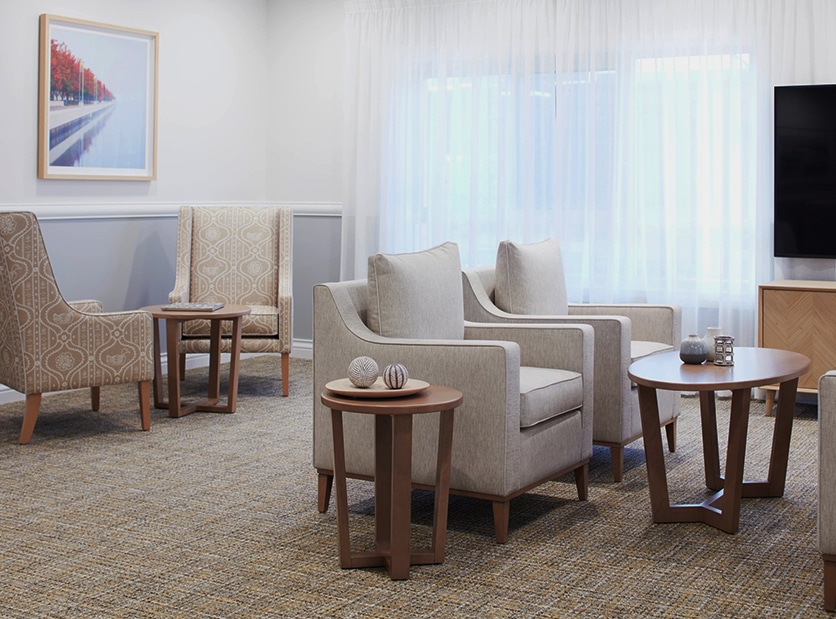
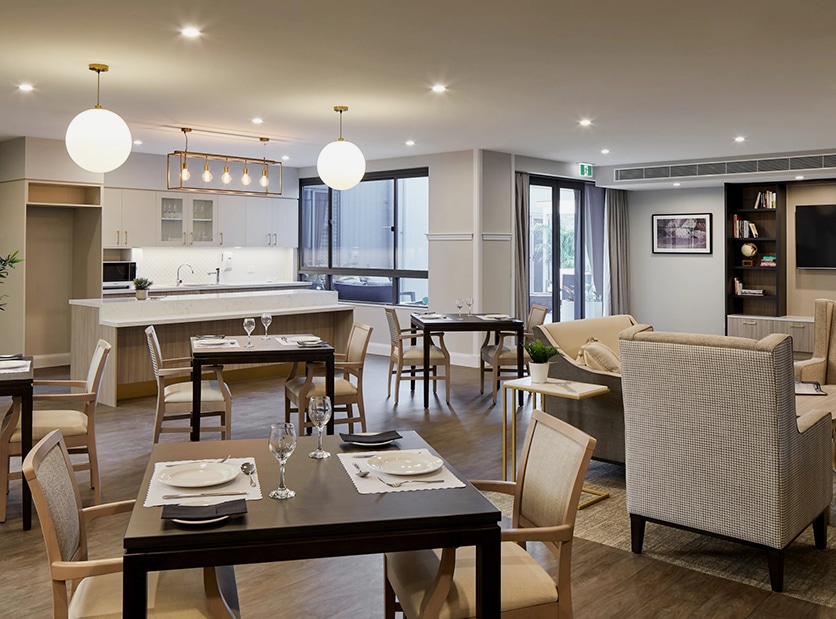
Creating environments that invite movement and connection
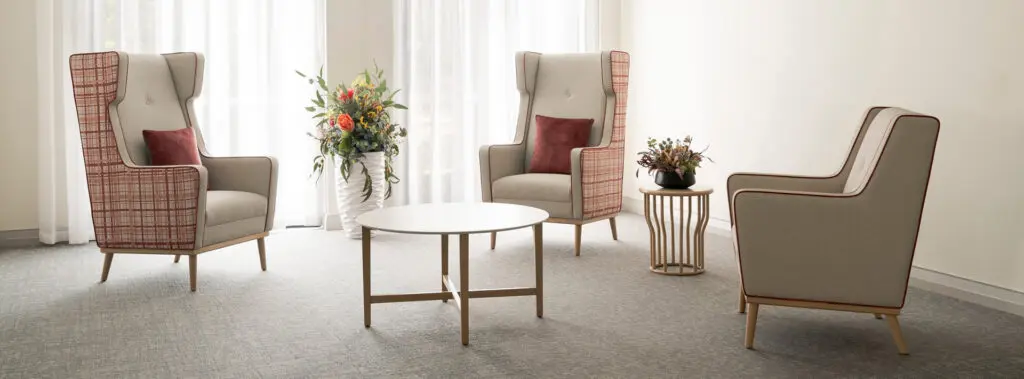
In well considered environments, seating reflects the diversity of the people who use it. A range of chair styles and heights acknowledges differing abilities and levels of independence, allowing residents to choose what feels right for them. Armrests that provide support, seats that feel stable underhand, and proportions that encourage safe movement all contribute to a more confident experience.
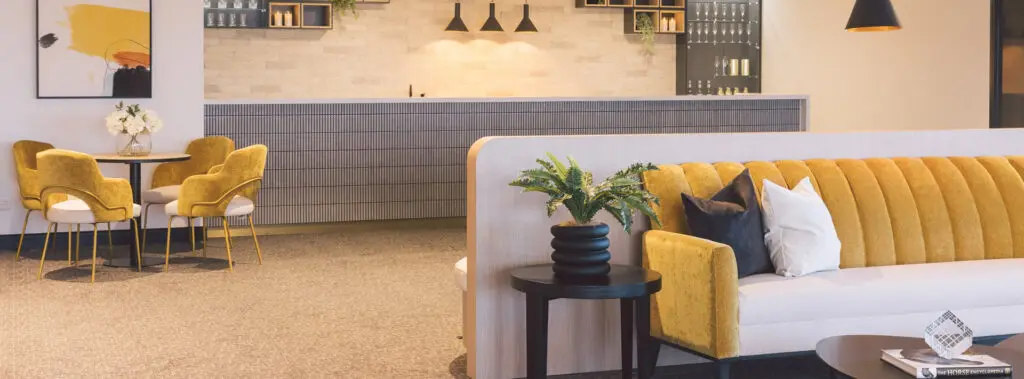
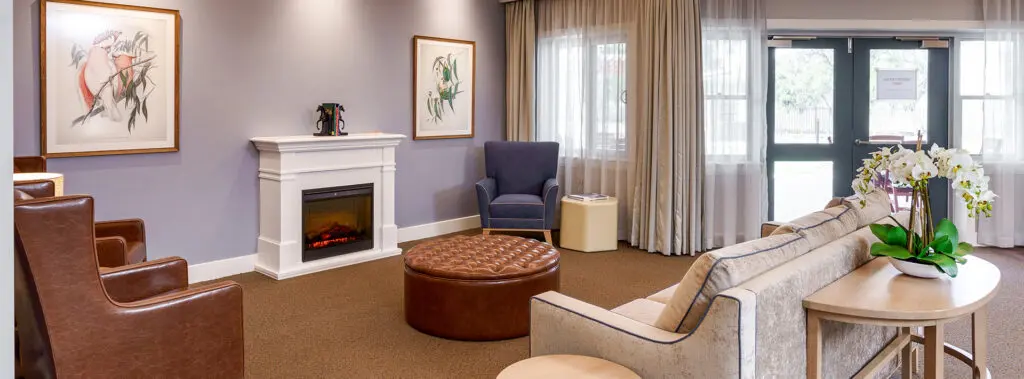
Seating also helps define how spaces are used. It can encourage conversation, create quiet corners for reflection, or support informal gatherings that bring people together. When these moments unfold naturally, spaces feel more intuitive and welcoming, offering residents both choice and comfort throughout the day.
There is also value in planning for change. Allowing space for specialist seating or mobility equipment ensures that additional support can be introduced seamlessly when needed. This flexibility helps preserve dignity for residents and supports care teams in their daily work.
Bringing strategy into the everyday
The placement of seating often determines how accessible it feels. When chairs appear at natural intervals along corridors, near transition points, and within communal areas, residents are reassured that rest is always close at hand. This simple presence can encourage movement by reducing the fear of fatigue or discomfort.
Furniture that feels solid and dependable contributes to this sense of trust. Chairs that support safe transfers and withstand regular use become reliable companions in daily routines. Materials that balance durability with comfort help meet practical requirements while still feeling warm and inviting.
Equally important is the space around each chair. Generous clearance allows for assisted movement, accommodates visitors, and keeps pathways clear. These considerations quietly support safety and ease of movement, benefiting residents, staff, and guests alike.
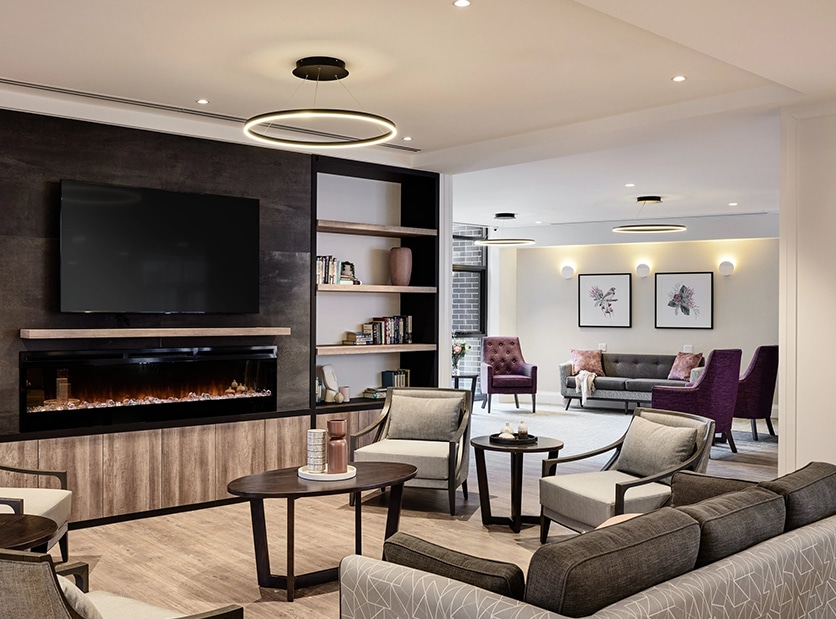
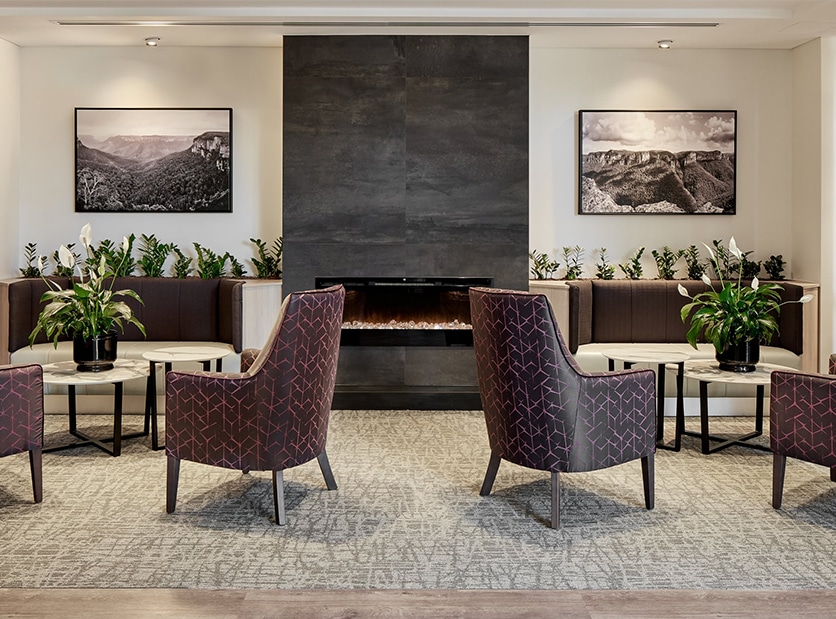
The difference thoughtful seating can make
When seating is approached with care, its impact becomes evident in everyday life. Residents often move with greater confidence, remain comfortable for longer periods, and engage more readily with those around them, clear signs of environments shaped by empathy and intention.
Supportive seating works best when it blends seamlessly into its surroundings. By removing barriers without calling attention to itself, it allows residents to focus on connection, activity, and comfort. For aged care providers and designers, it remains one of the most immediate and meaningful ways to influence wellbeing.
By aligning seating choices with the realities of daily care and the lived experience of residents, spaces become not only functional, but genuinely uplifting. Over time, these thoughtful decisions build environments that feel intuitive, respectful, and human-centered, where, in quiet and almost unnoticed ways, the space itself begins to care in return.

Get in touch today