 Save and group your favourite furniture
  Create separate moodboards for each project
  Export your moodboards as PDFs



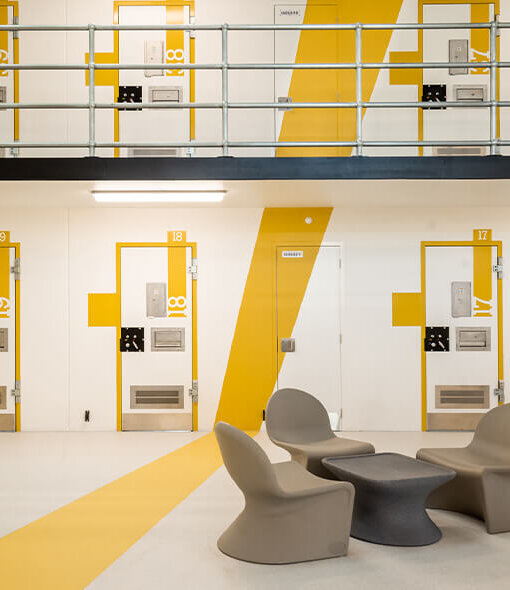
Why Appropriate Furniture Matters in Aged Care
Some of the most important design decisions in aged care are also the least visible. This series, informed by the National Aged Care Design Principles and Guidelines, explores those quieter decisions, the ones that shape how spaces are experienced each day.
We begin with one of the most understated, yet influential elements: appropriate furniture.
Furniture forms the foundation of an aged care environment. When considered well, it recedes into the background, yet its influence is constant. It shapes how spaces are understood, how residents feel within them, and how effectively care can be delivered.
Shaping Experience Through Everyday Cues
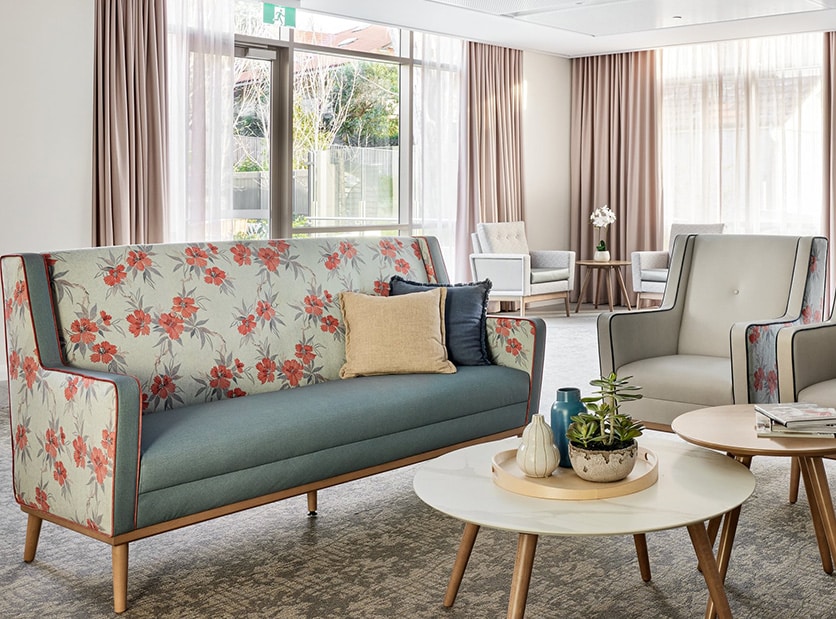
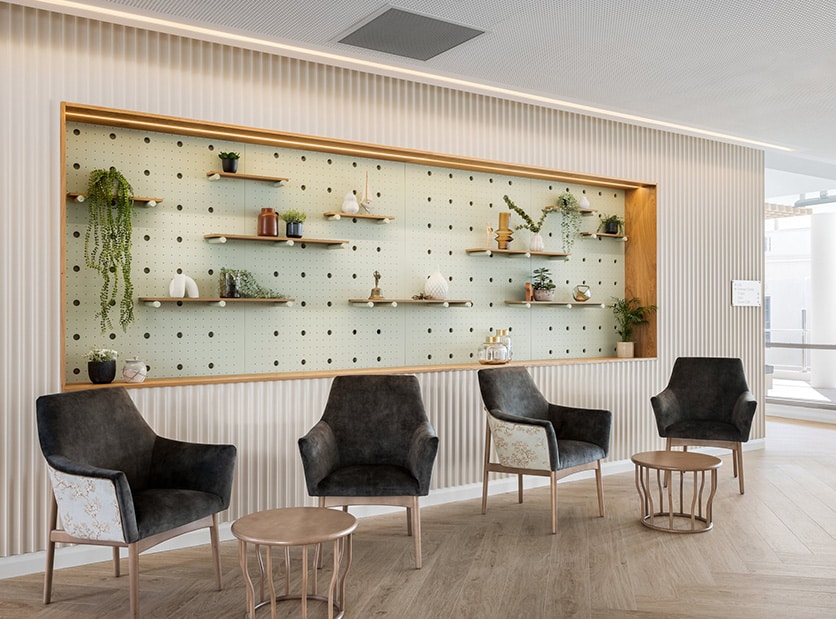
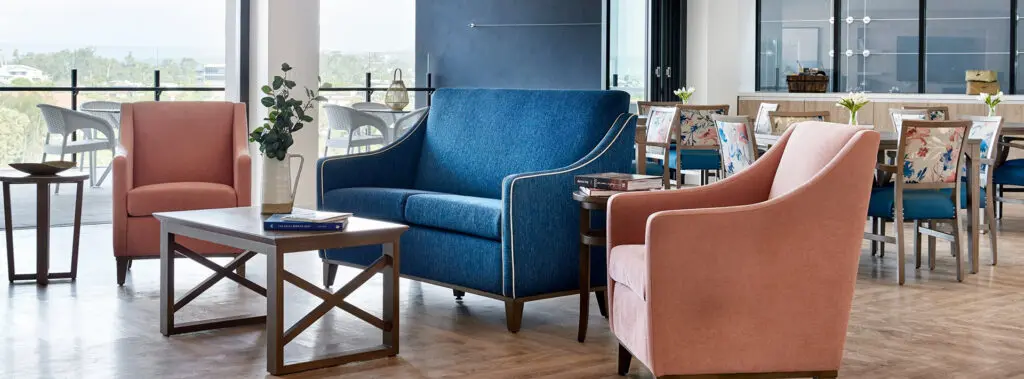
Furniture extends far beyond simple utility. It helps define how a space is read from the moment someone enters, suggesting where to sit, where to pause, and how connection might unfold.
These cues are subtle but meaningful. When they are unclear, spaces can feel unsettled or impersonal. When they align with familiar expectations, they create a sense of ease and reassurance.
Drawing on recognisable forms allows residents to navigate their surroundings more intuitively, reducing the need for conscious effort or adjustment. This familiarity supports comfort that feels natural rather than imposed. In this way, furniture contributes not only to how a space looks, but to how it is experienced.
Balancing Recognition with Performance
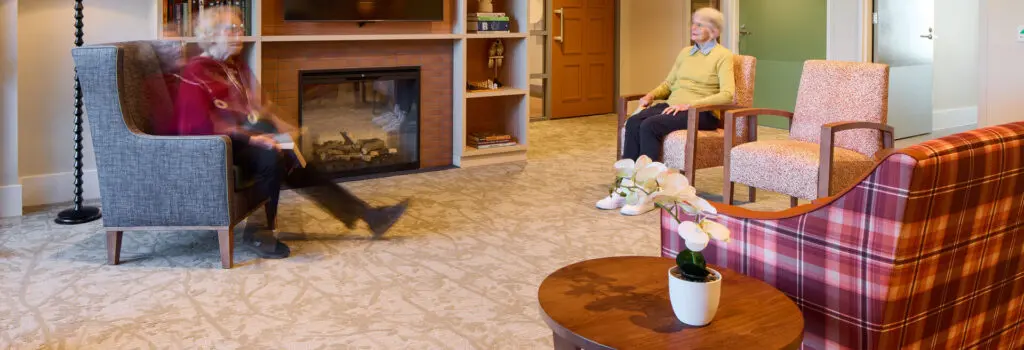
A sense of recognition can be grounding, particularly in aged care environments where some residents may experience cognitive change. Being able to quickly understand one’s surroundings supports confidence, independence, and overall wellbeing.
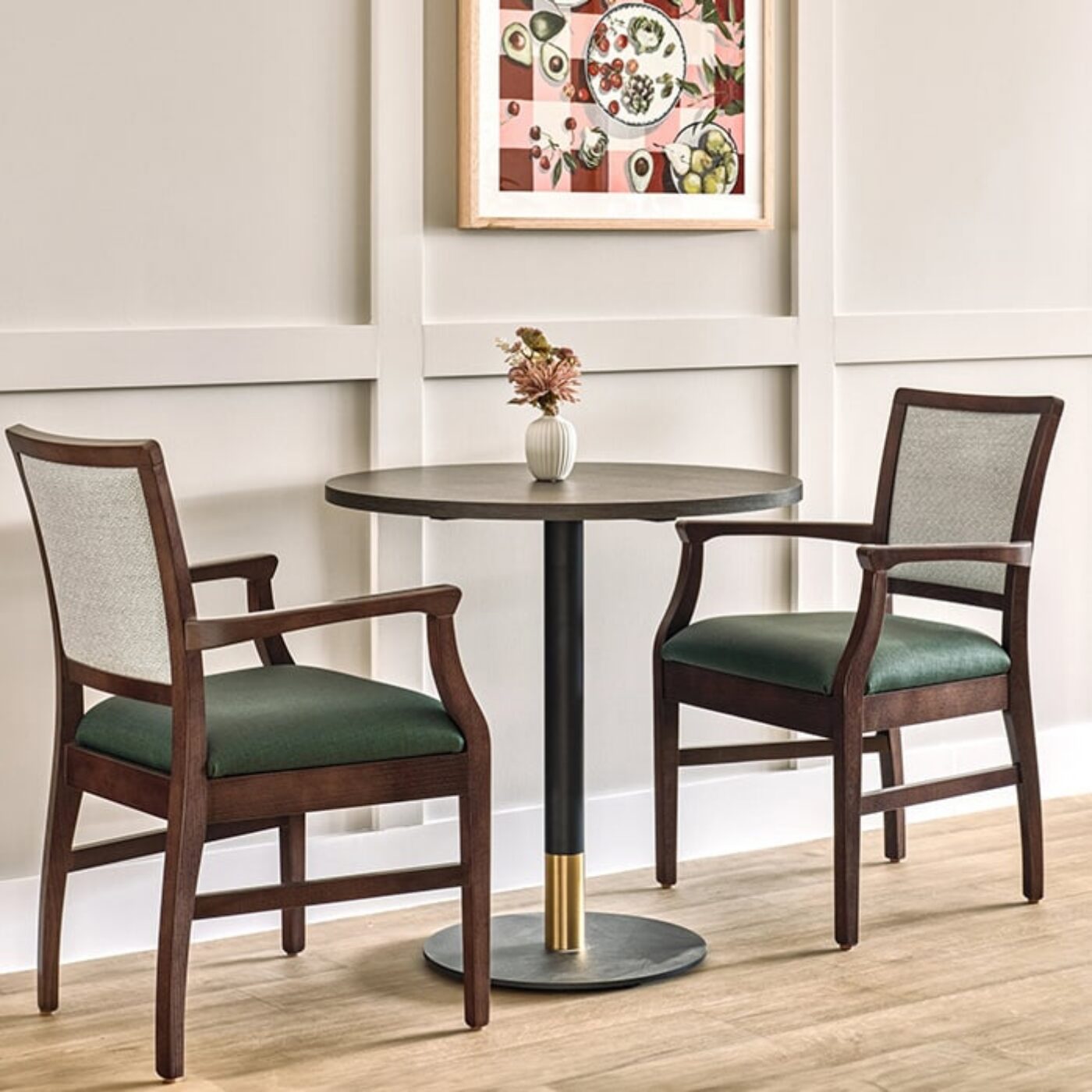
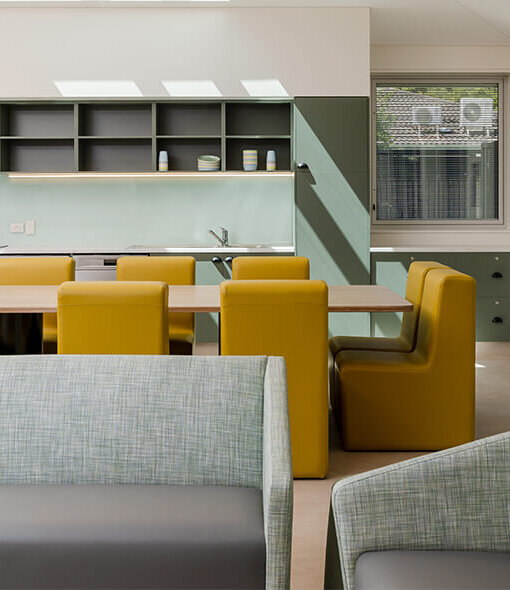
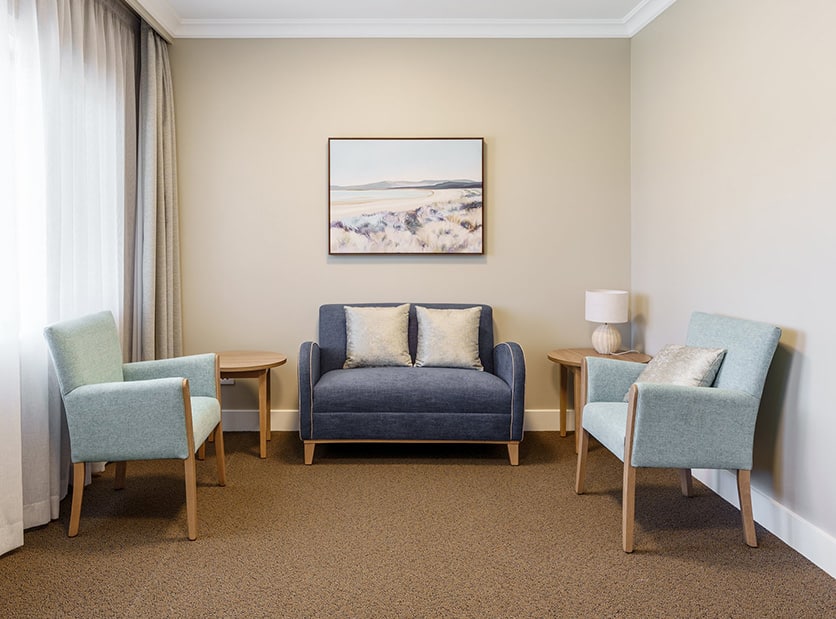
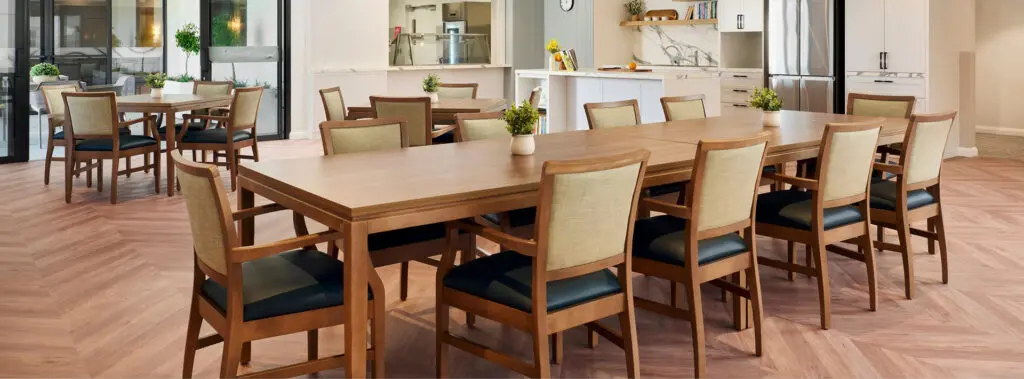
Familiar elements, such as a supportive armchair or a shared dining setting, do more than provide visual comfort. They guide daily routines and interactions, helping residents engage with greater ease.
At the same time, these environments must meet practical demands. Furniture needs to withstand regular use, support safe movement, and remain reliable over time. It must also enable staff to deliver care efficiently and without unnecessary strain.
The most effective outcomes come from resolving these needs together. When comfort and performance are considered as a whole, spaces feel cohesive and purposeful rather than the result of compromise.
Where Function Supports Dignity
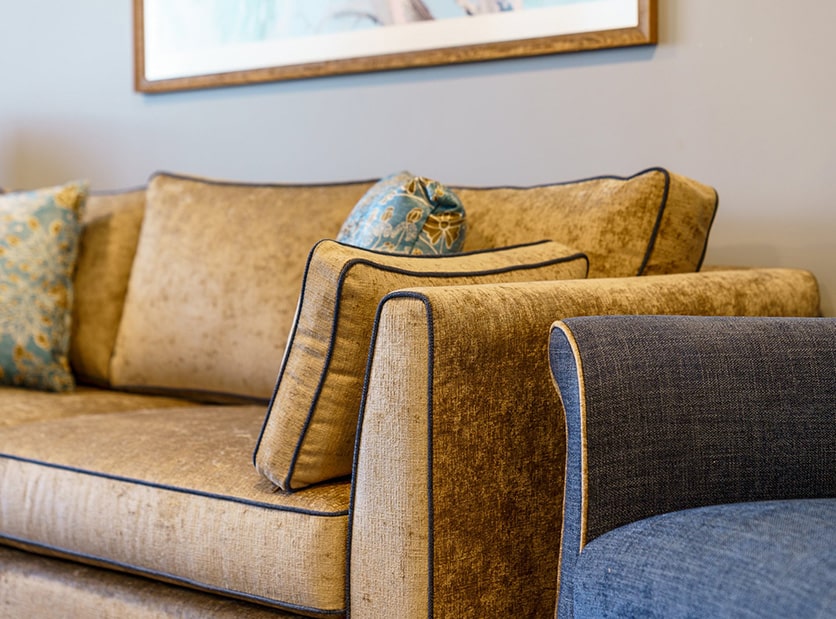
Behind every well-resolved aged care environment are practical decisions that ensure consistency and reliability over time.
Key considerations include:
• Durability, supporting continuous, high-frequency use
• Hygiene, enabling effective and repeatable cleaning protocols
• Continuity, maintaining material and structural integrity over time
These qualities are intentionally understated. When done well, they are rarely noticed but always felt.
They ensure environments remain calm, stable, and dependable, supporting both residents and care teams in their daily routines.
A Foundation for Better Living Environments
Furniture plays a quiet but critical role in aged care environments. It supports independence, enables care delivery, and contributes to a sense of belonging.
More than a design choice, it is part of the foundation that shapes how a space functions and feels over time.
When this foundation is resolved with care and clarity, everything built upon it becomes more intuitive, more supportive, and more human.
Appropriate furniture is not simply a specification decision. It is a defining element in creating aged care environments where people feel at ease, supported, and truly at home.

Get in touch today