 Save and group your favourite furniture
  Create separate moodboards for each project
  Export your moodboards as PDFs



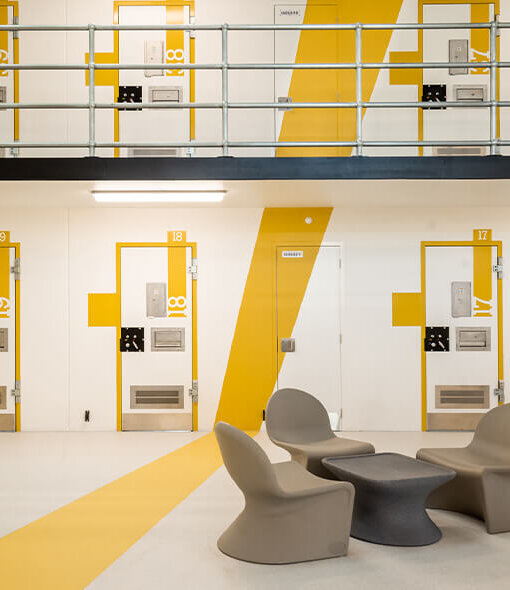
In aged care, connection to the natural world is often defined less by design and more by circumstance. As mobility changes, time outdoors becomes less frequent. Access to daylight, fresh air, and the passing of seasons is no longer guaranteed. It becomes something the environment must actively provide.
This shift is rarely immediate, but over time it becomes perceptible. Spaces can feel more static. Days less differentiated. The familiar rhythms that anchor people to time and place begin to soften.
What remains is an environment that supports care yet can quietly lose its sense of life beyond the room.
It is within this context that furniture takes on a more meaningful role. Not simply as a functional layer, but as a mediator between the resident and their surroundings.
The Value of Maintaining Connection
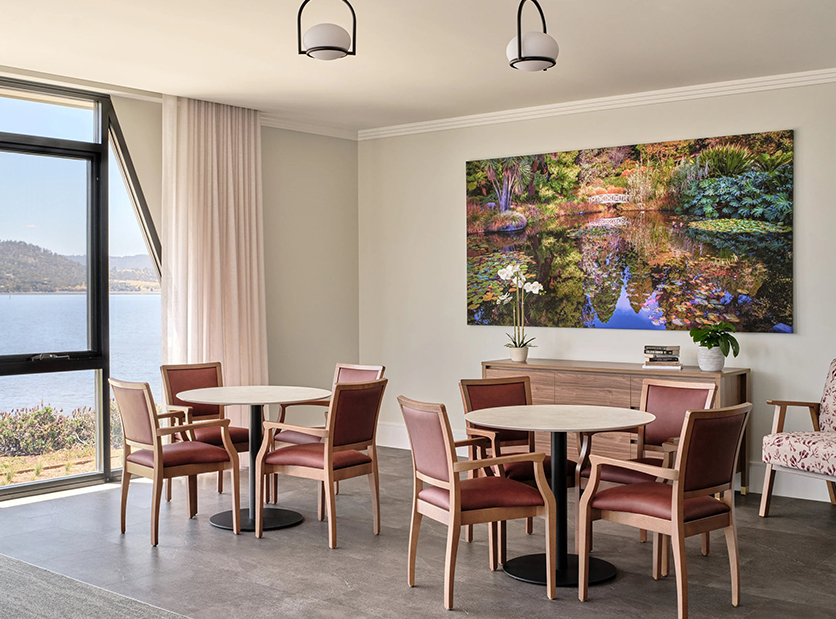
The link between nature and wellbeing is well understood, particularly in settings where residents spend extended periods indoors. Access to natural light, outlook, and sensory variation supports emotional balance, reinforces daily rhythms, and encourages engagement.
In environments where this access is limited, the impact is not immediate but cumulative. The absence of natural cues can influence mood, reduce interaction, and contribute to a growing sense of disconnection.
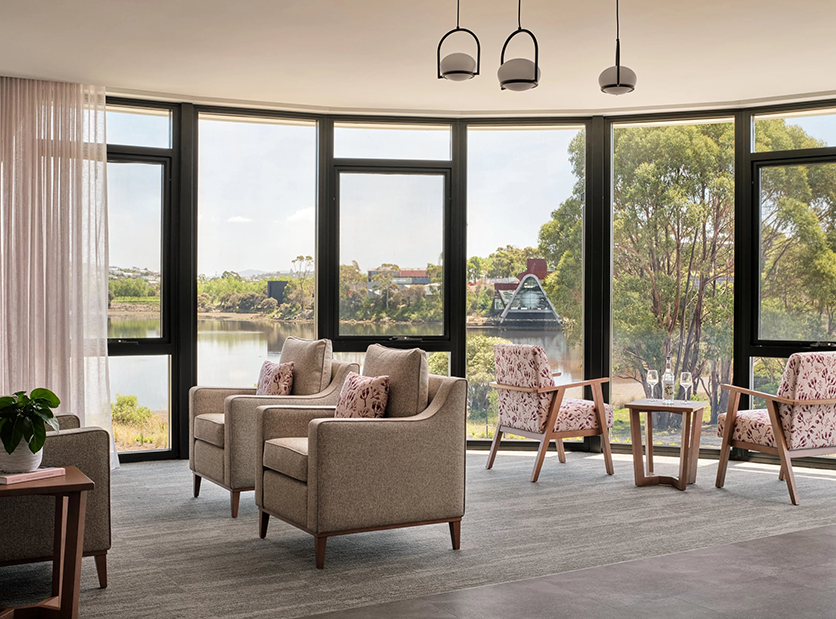
Furniture has a defining influence on how this connection is experienced. It determines where residents position themselves throughout the day, what they see from those positions, and how easily they remain connected to the world outside. In this way, it either reinforces or diminishes everyday contact with nature.
Designing for Connection, Not Addition
Bringing nature indoors is not about adding elements. It is about sustaining connection.
This requires a shift in perspective. Nature is not an enhancement but an essential environmental condition that supports wellbeing outcomes. The decisions that shape this experience are often subtle and sit within furniture selection and layout.
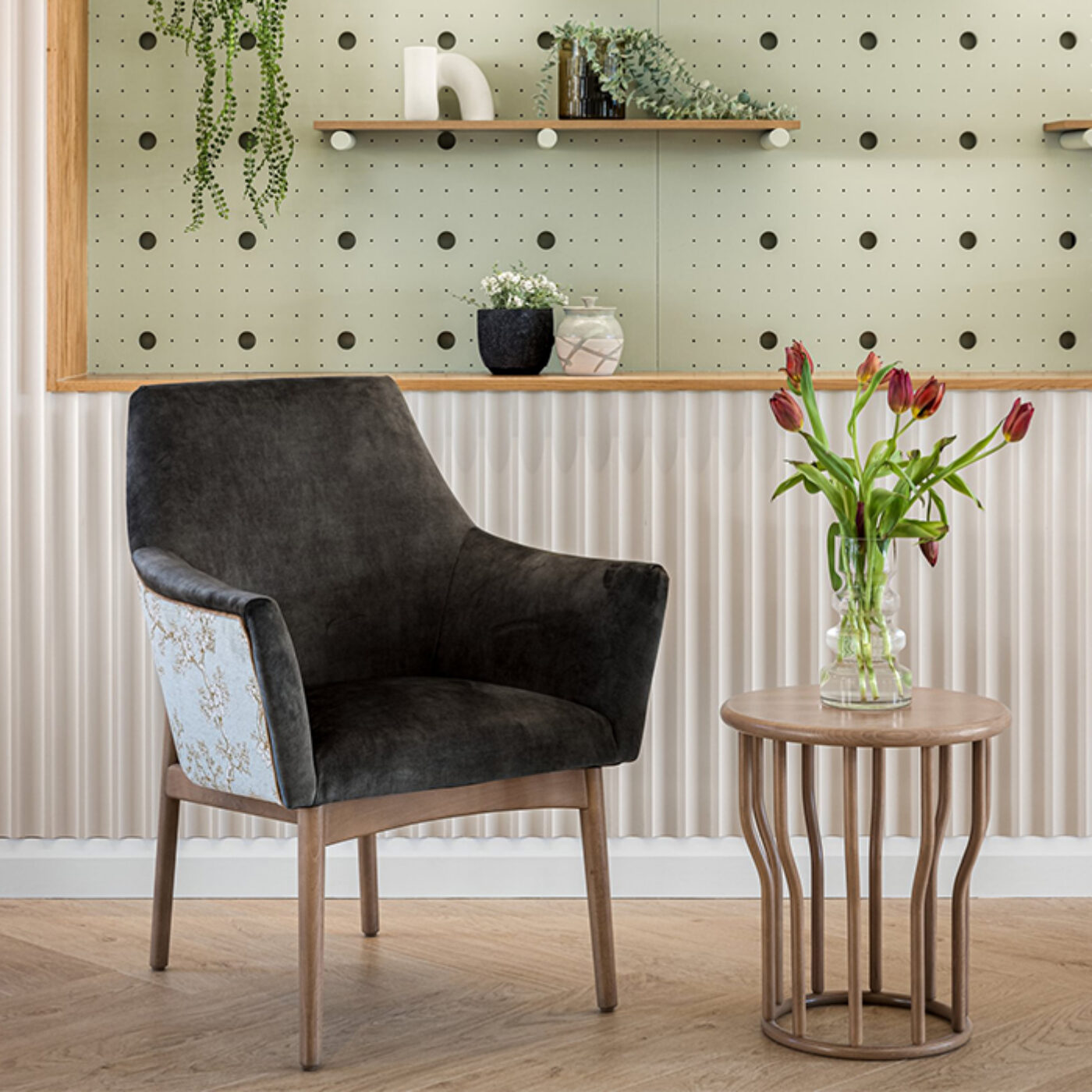
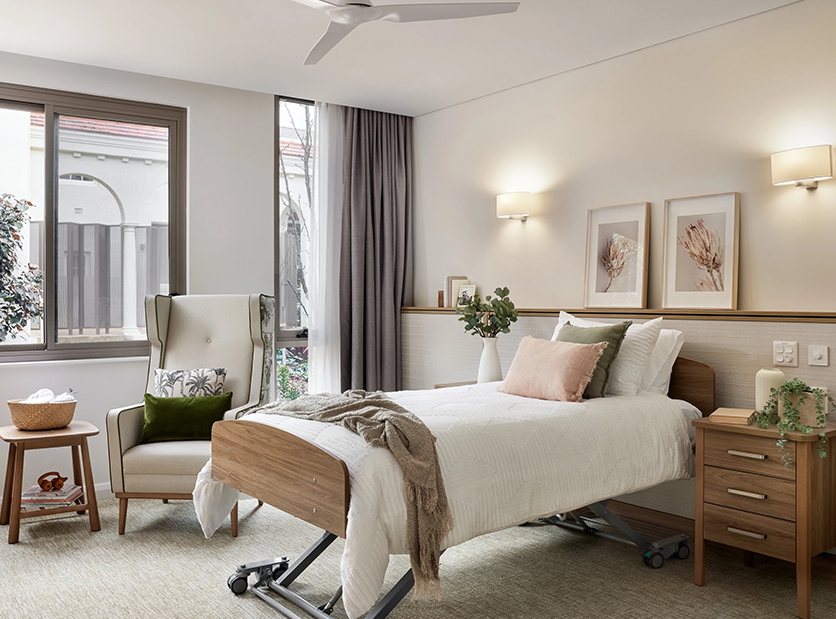
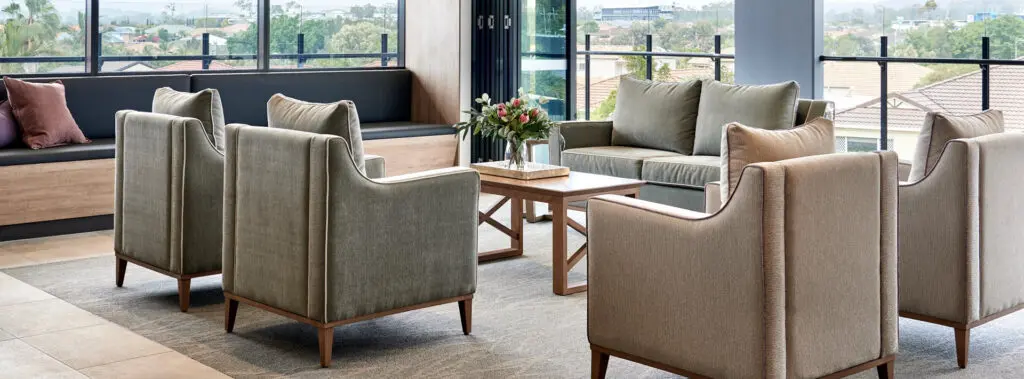
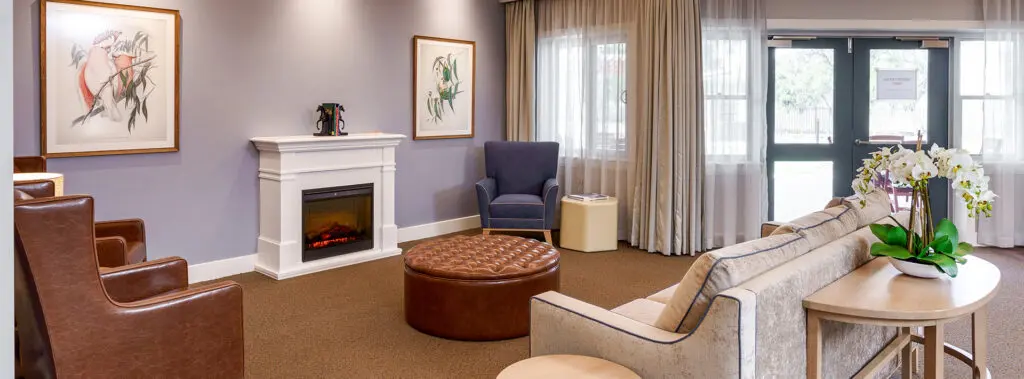
Seating that orients toward light and external views, beds positioned to capture daylight, and smaller pieces that support moments of pause all contribute to a more connected environment. These are not large gestures, but they are consistent and intentional.
When approached in this way, furniture moves beyond function. It begins to shape how residents experience time, place, and the changing environment around them.
Furniture as a Pathway to Nature
A thoughtful approach to furniture can strengthen the presence of nature in everyday living. The most effective outcomes are often shaped through a series of small, deliberate decisions.
Orientation to light and views Where residents sit or rest should align naturally with daylight and outward outlook rather than internal walls or circulation paths. Sightlines matter across all positions, whether seated, reclining, or lying in bed.
Access from the resident perspective Windows and openings only provide value when they are usable. Furniture heights and profiles should allow clear visibility while avoiding obstruction of light. Flexibility is equally important, enabling spaces to adapt as resident needs change over time.
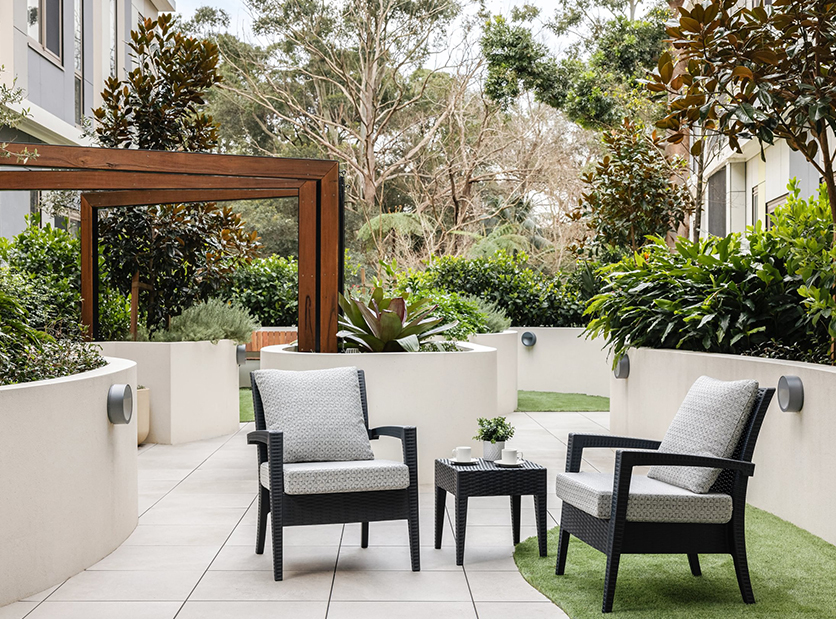
Material connection to the outdoors Finishes with warmth and natural texture can subtly reinforce a sense of connection. Timber, woven surfaces, and integrated greenery introduce variation and familiarity, provided they are safe, durable, and easy to maintain within a care setting.
Opportunities for interaction Connection deepens when it becomes active rather than passive. Small surfaces, accessible planting, and elements within reach allow residents to engage directly with natural features. These moments support autonomy and bring a greater sense of participation into daily life.
Outcomes that Extend Beyond the Room
When nature is meaningfully integrated into indoor environments, the effects are both immediate and enduring.
Residents are more likely to feel engaged with their surroundings. Exposure to natural light and sensory cues can support improved mood and more stable daily rhythms. The environment begins to feel less contained and more connected to a broader context.
Importantly, these outcomes are rarely the result of singular interventions. They emerge from consistent, well considered decisions that shape everyday experience at a human scale.
A Quieter Measure of Quality
The integration of nature is often discussed at an architectural level, yet it is frequently realised through the smaller decisions made within interior environments.
In aged care, where safety, comfort, and durability are critical, the most effective solutions are those that work intuitively. Furniture, when thoughtfully selected and positioned, has the capacity to extend the reach of daylight, frame views, and invite moments of connection throughout the day.
In doing so, it becomes more than a functional requirement. It becomes a quiet framework for connection, supporting not just how a space operates, but how it feels.
And in environments where time is spent predominantly indoors, that distinction matters.
Get in touch today