 Save and group your favourite furniture
  Create separate moodboards for each project
  Export your moodboards as PDFs



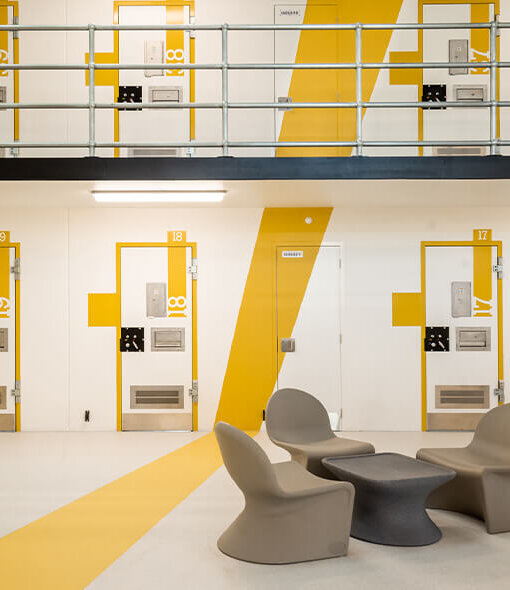
For decades, aged care environments were largely shaped by efficiency. Larger resident groups, centralised services, and institutional layouts helped streamline operations, but often at the expense of something equally important, everyday living.
Today, a different approach is gaining momentum.
Across Australia and internationally, providers are increasingly embracing smaller household models that prioritise familiarity, connection, and a greater sense of home. Rather than organising residents within large-scale environments, the household model creates smaller living communities where relationships can develop more naturally and daily life feels more personal.
What may seem like a simple change in scale can have a significant impact on daily life.
Why Household Size Matters
Imagine moving into a new environment surrounded by unfamiliar faces, changing staff, and communal spaces that feel more like public facilities than places to live.
For many elderly Australians, large-scale settings can be difficult to navigate and emotionally overwhelming. Shared spaces may feel impersonal, while opportunities for meaningful interaction can become harder to find.
Smaller households offer a different experience. With fewer residents sharing common spaces, social connections often emerge more organically, routines become more familiar, and communities feel easier to navigate.
The result is an environment that feels less like a facility and more like a community.
Greater Confidence Through Familiarity
As people age, familiarity often becomes increasingly important.
Smaller households naturally create environments that are easier to understand and navigate. Consistent living spaces, familiar daily rhythms, and recognisable faces contribute to a stronger sense of place and belonging.
This can be especially valuable for residents living with cognitive decline or dementia, where familiarity may help reduce confusion and support confidence in everyday activities.
When people feel comfortable in their surroundings, they are often more willing to engage with others, participate in community life, and maintain a sense of independence.
Stronger Relationships and Social Connection
One of the most compelling aspects of the household model is the way it supports connection.
In smaller communities, residents and staff have more opportunities to interact regularly, allowing relationships to develop over time. Familiarity grows through everyday moments, sharing meals, participating in activities, or simply recognising the people around you.
While these interactions may seem small, they contribute to a stronger sense of community and can play an important role in overall wellbeing.
The household model recognises that quality of life is shaped not only by care, but also by the relationships people build throughout their day.
A More Meaningful, Home-Like Living Experience
At its heart, the household model reflects a broader shift in aged care design. From environments organised around operations to environments organised around people.
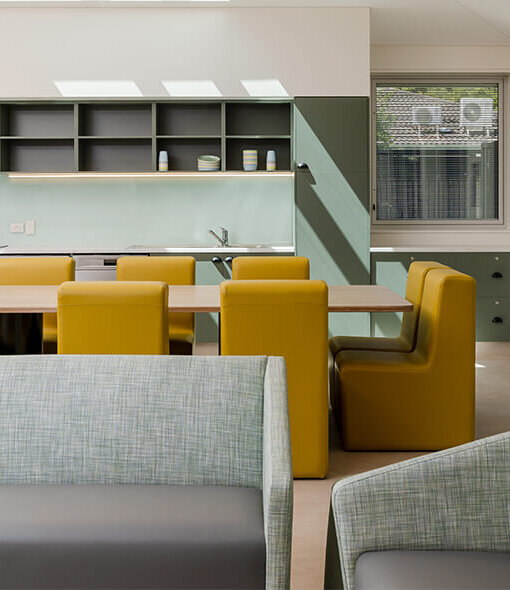
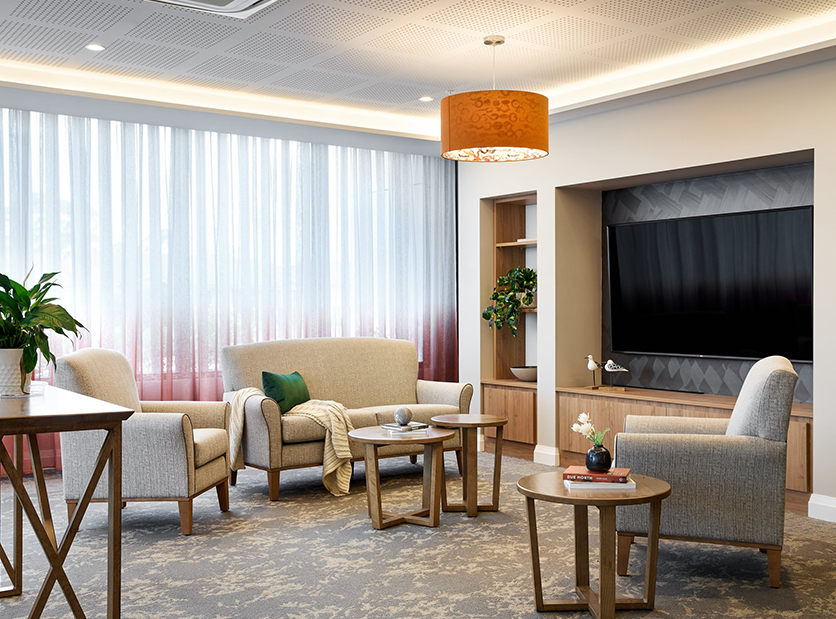
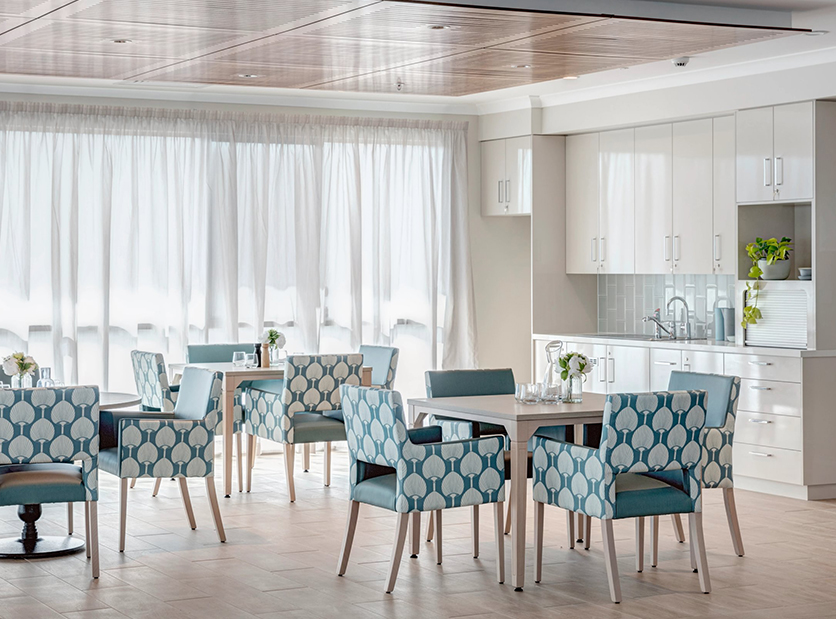
Shared dining areas become places to gather rather than simply eat. Lounges provide opportunities for conversation and relaxation. Spaces are designed to support the routines and experiences that give daily life meaning.
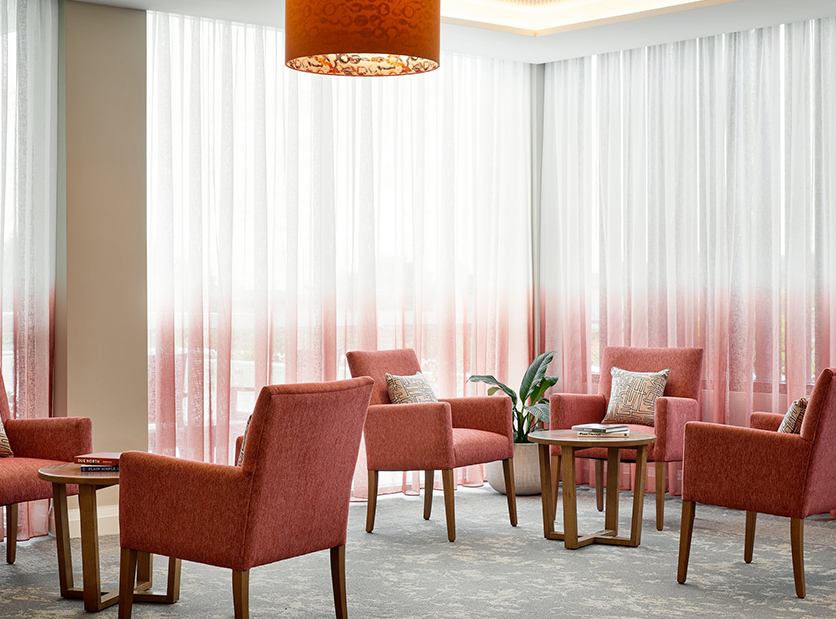
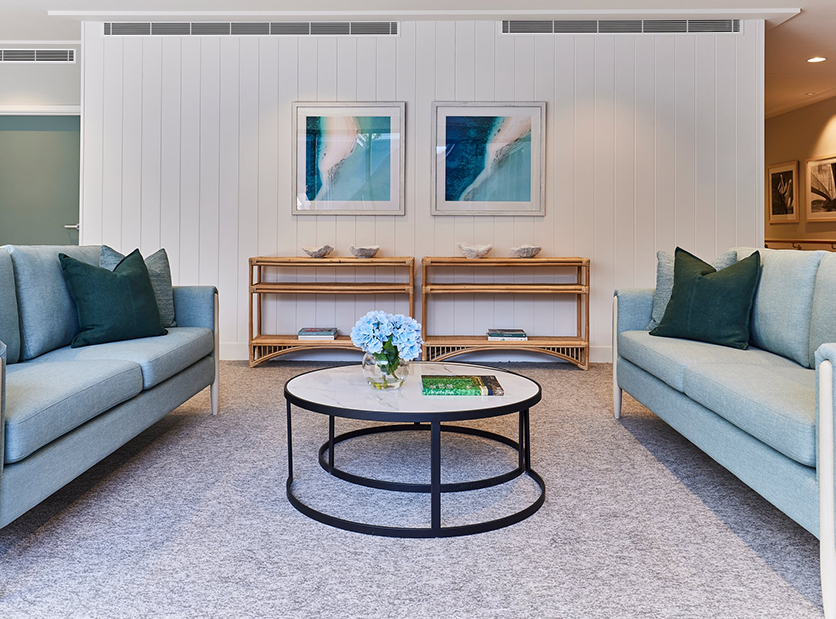
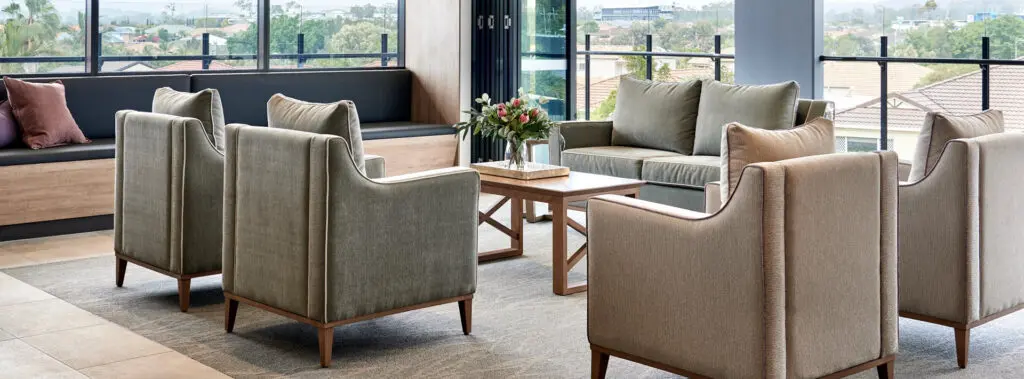
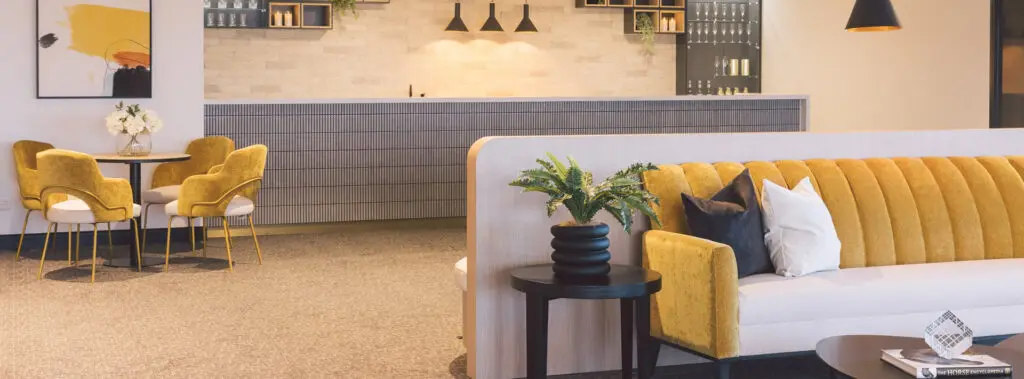
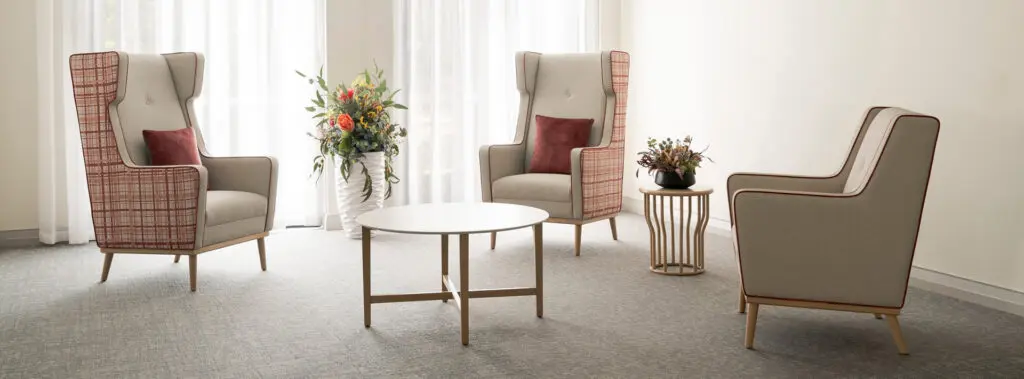
Furniture plays an important role in bringing this vision to life. Comfortable seating, residential-style dining settings, and thoughtfully considered communal spaces help create environments that feel welcoming, familiar, and lived in.
The focus is no longer on making aged care look less institutional. Instead, it is about creating places that genuinely support the way people want to live.
Designed Around People
While care delivery remains central to resident wellbeing, the environment itself also shapes the experience of ageing.
The growing popularity of smaller households reflects an evolving understanding of what residents value most.
Familiarity, connection, autonomy, and a sense of belonging.
Far more than a design trend, the household model represents a shift towards creating communities that feel comfortable, supportive, and deeply human.
Because when people feel connected to their environment, they’re better able to connect with the people around them.

Get in touch today