 Save and group your favourite furniture
  Create separate moodboards for each project
  Export your moodboards as PDFs





Therapeutic Benefits of Outdoor Spaces
The emotional and psychological benefits of a safe, attractive and carefully planned outdoor area are well documented for people of all ages – but especially for aged and dementia care residents. For the elderly, outdoor spaces provide sensory stimulation, remedying boredom, give residents an “escape” (actual or visual) from the monotony of everyday life and enable them to maintain an active lifestyle.
Even a short time spent outdoors can lower blood pressure, improve vitamin D absorption, improve stability and balance and help with better sleep patterns. Known as “the sunshine vitamin”, Vitamin D is a crucial ingredient for overall health, protects against inflammation, helps muscles, improves brain function¹, lowers high blood pressure² and may even protect against cancer.
A well-planned garden can also provide multiple areas for socialisation, alongside personal space for reflection and privacy. Incorporating both shared and private spaces is important, as residents have different life interests and needs.
Designing Outdoor Spaces for Aged Care
It is widely recognised that a building and an environment can have a significant effect on a person with dementia³ and with an estimated 459,000 Australians living with dementia⁴, it’s important that aged and dementia care facilities are designed with these specific needs⁵ in mind.
There are four key design factors that need to be considered when designing outdoor spaces for aged and dementia care:
• Entrances and Exits
• Plant Selection
• Pathways
• Seating
Entrances and Exits
Perhaps the most important factor to consider when designing outdoor spaces for the elderly, it’s important that entrances and exits to outdoor spaces are both easy to access and encourage residents to get outside. A simple door can be enough of a barrier to stop elderly residents going outside. If a door is hard to open, hidden away or locked, residents will simply stay inside. It’s important that doors to outdoor spaces are open and inviting.
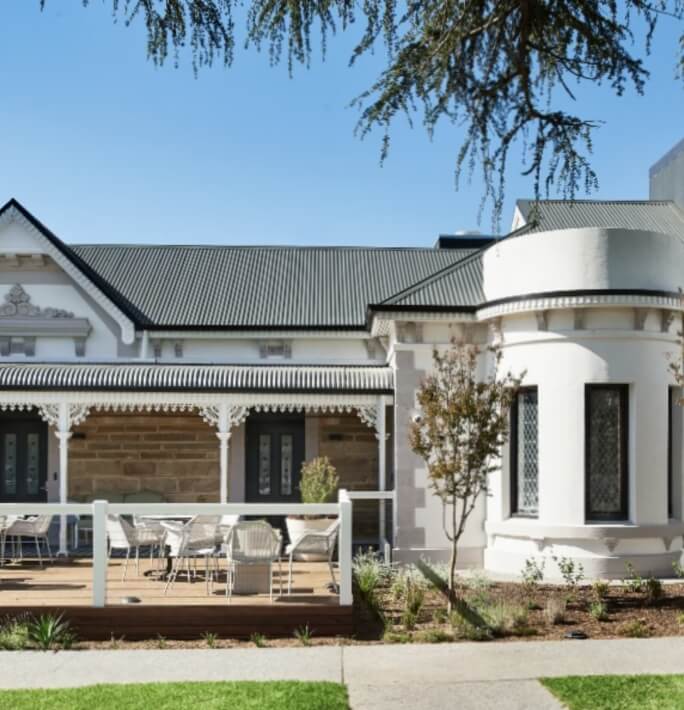
Glass doors or doors with windows give residents a view of the outdoors, inviting them to step outside and enjoy the space for themselves. Another way to encourage residents to step outside is to create indoor/outdoor spaces. Living spaces can include a few artificial plants to bring the outdoors inside, and then open to outdoor decks, with furniture & plants specifically chosen to withstand the elements whilst meeting comfort and safety needs. A covered deck also eases residents into the outdoors, giving their eyes time to adjust to the changing light.
Choosing Plants
Whilst leafy ferns and trailing vines are eye catching and appealing, they can actually become hazardous for elderly residents.
Known as “visual cliffing” in design, plants that create patterned shadows on the ground that can confuse and disorient residents. Seniors react to changes in paving colour and flooring materials or shadows from plants as if they were a change in depth. This may lead to falls, fear and discomfort – so it’s important that plants and trellises/arbors like this are avoided.
Choose a variety of trees, shrubs and flowers and place them where they can be touched, smelled and seen. Colours should be bold and bright as ageing eyes can see highly saturated colours (oranges, reds and yellows) more than blues, purples and greens. Plants can also be used to stimulate memory, with traditional shrubs like roses, magnolias and hydrangeas often bringing deep rooted memories to mind.
Pathways
To visually impaired residents, changes in paving colours and flooring materials can become a trip hazard, even if the ground is level, so it’s important that pathways are designed to ensure that the resident feels safe in the area.
Non-glare paving surfaces should be used as ageing eyes have trouble with glare and pathways should be level and easily accessible. Create interesting places to walk with clearly defined walking loops, dotted with destination points such as water fountains or gazebos where residents can stop and rest.
Pathways should also include edges or railings to ensure safety for wheelchair users or individuals with impaired sight. When designing spaces for residents with Alzheimer’s disease, however, it is important that entrance and exit points are always visible, wherever that resident is in the garden. This stops residents from feeling lost or confused when they’re not sure what route to take or how to get back.
Seating
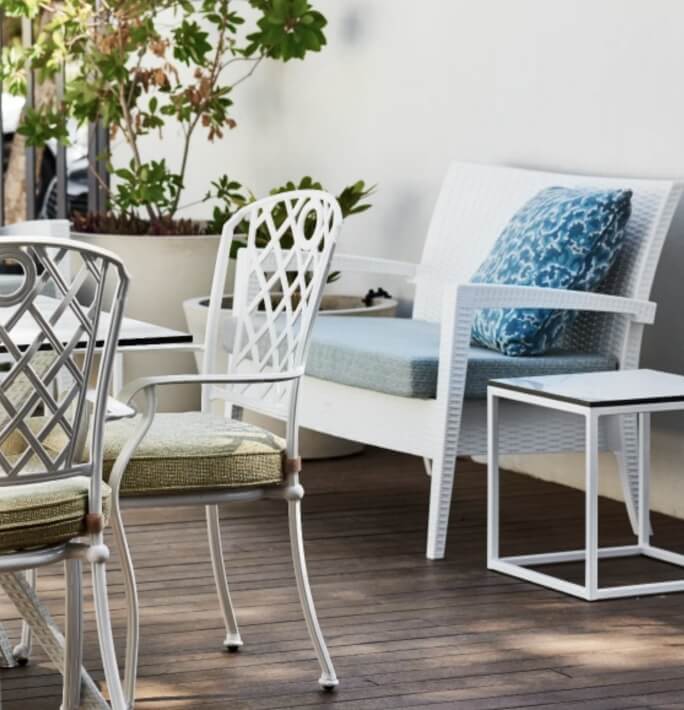
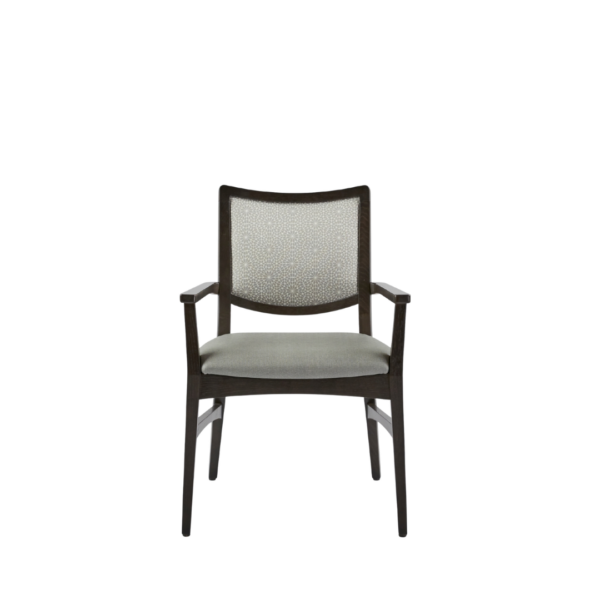
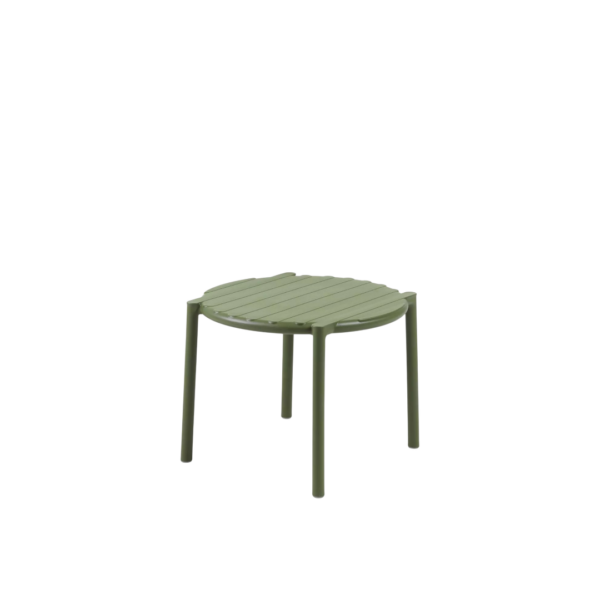
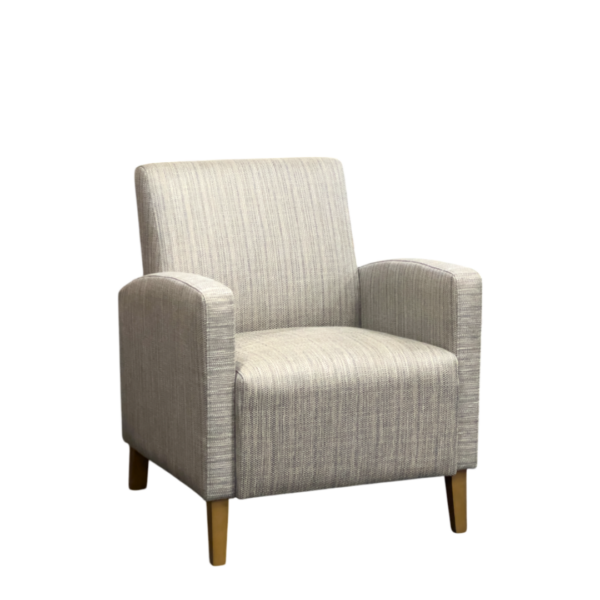
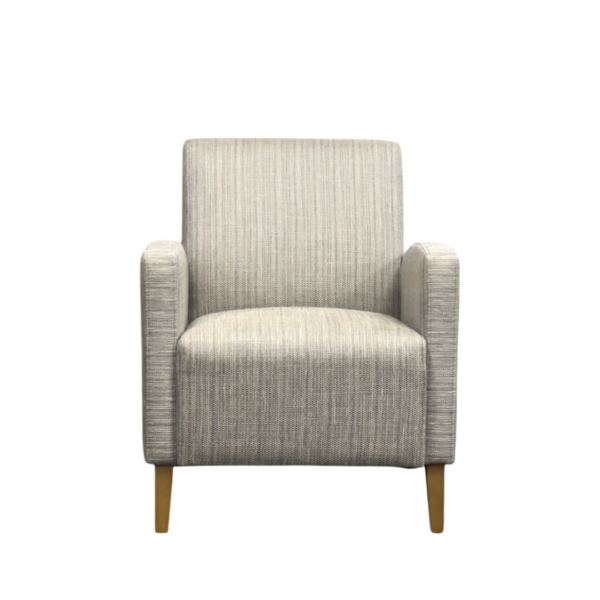
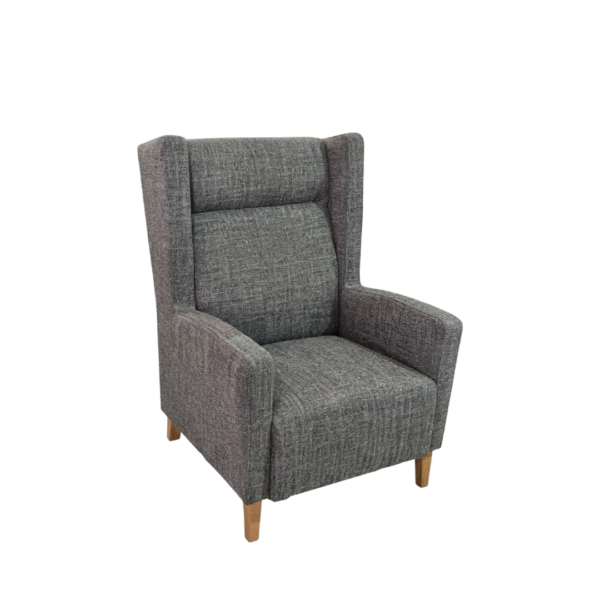
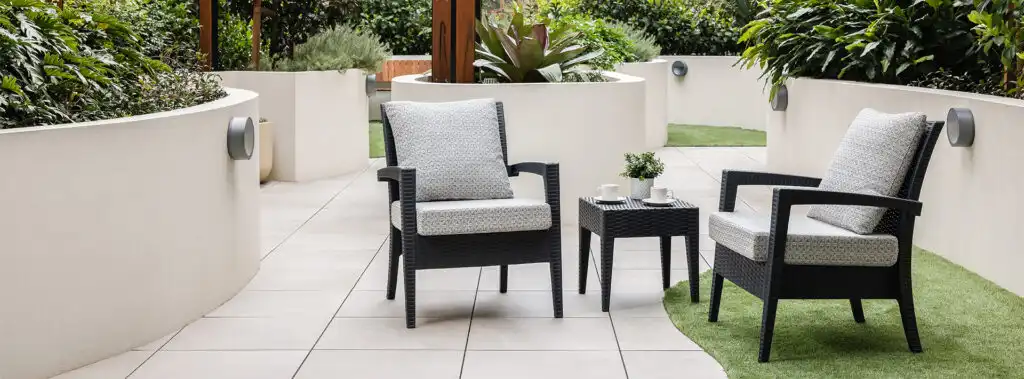
As residents spend time in the outdoors, it is relaxing to rest at a bench on the pathway with a fellow resident, or others may prefer to sit alone in a quiet spot. Open sitting areas also provide a place to sit and socialise with others and should have a mix of lounge and chair styles to encourage social engagement.
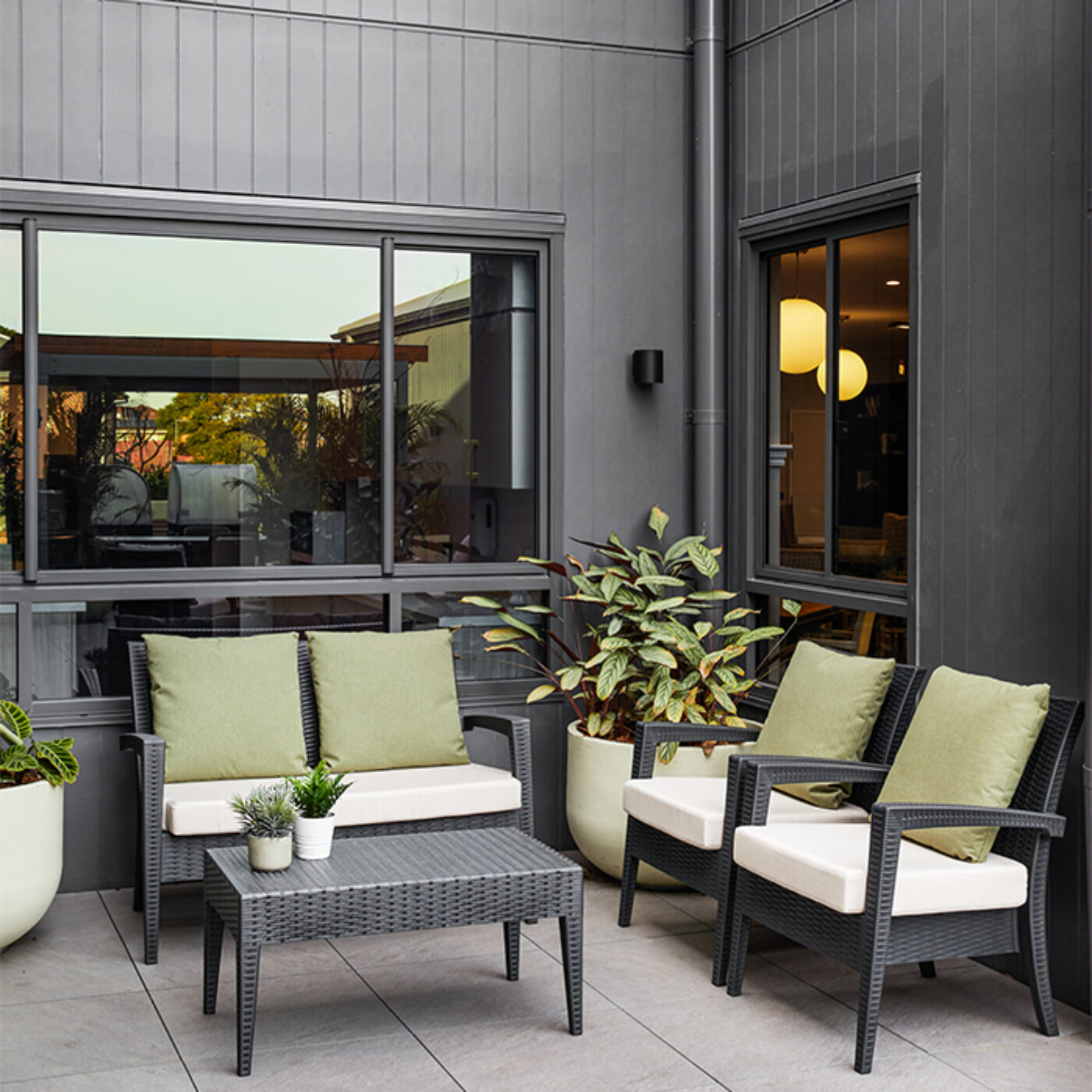
Seating should be carefully selected to ensure the residents’ safety is maintained while outdoors. In addition to comfort and durability, the furniture should have suitable ergonomics for elderly persons. Timber, resin, or wicker furniture are preferred over metal & glass furniture as they do not absorb the heat in direct sunlight which presents a risk of burning residents. Throw in a few outdoor cushions to further increase comfort and add a splash of colour!
Featured products

Get in touch today