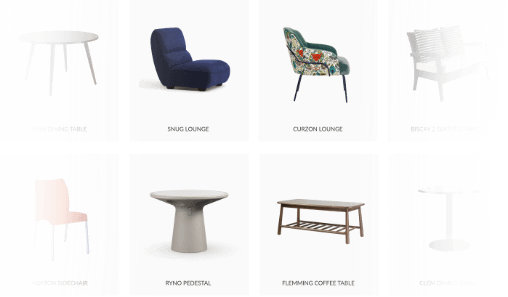
 Save and group your favourite furniture
  Create separate moodboards for each project
  Export your moodboards as PDFs



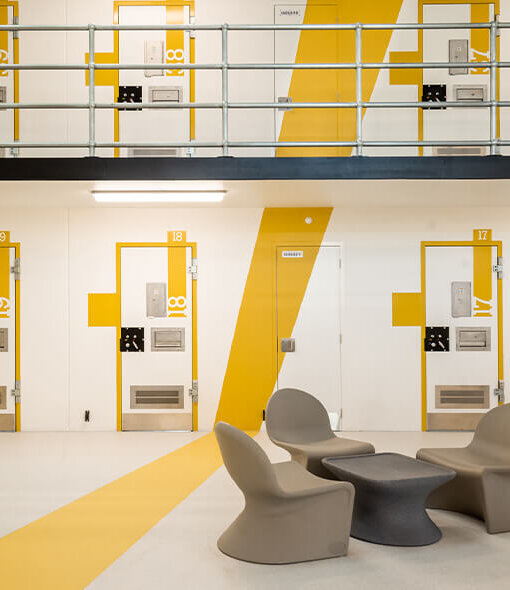
Why Smaller Spaces Create Better Living in Aged Care
Walk into a thoughtfully designed aged care household and you will often notice what is not there.
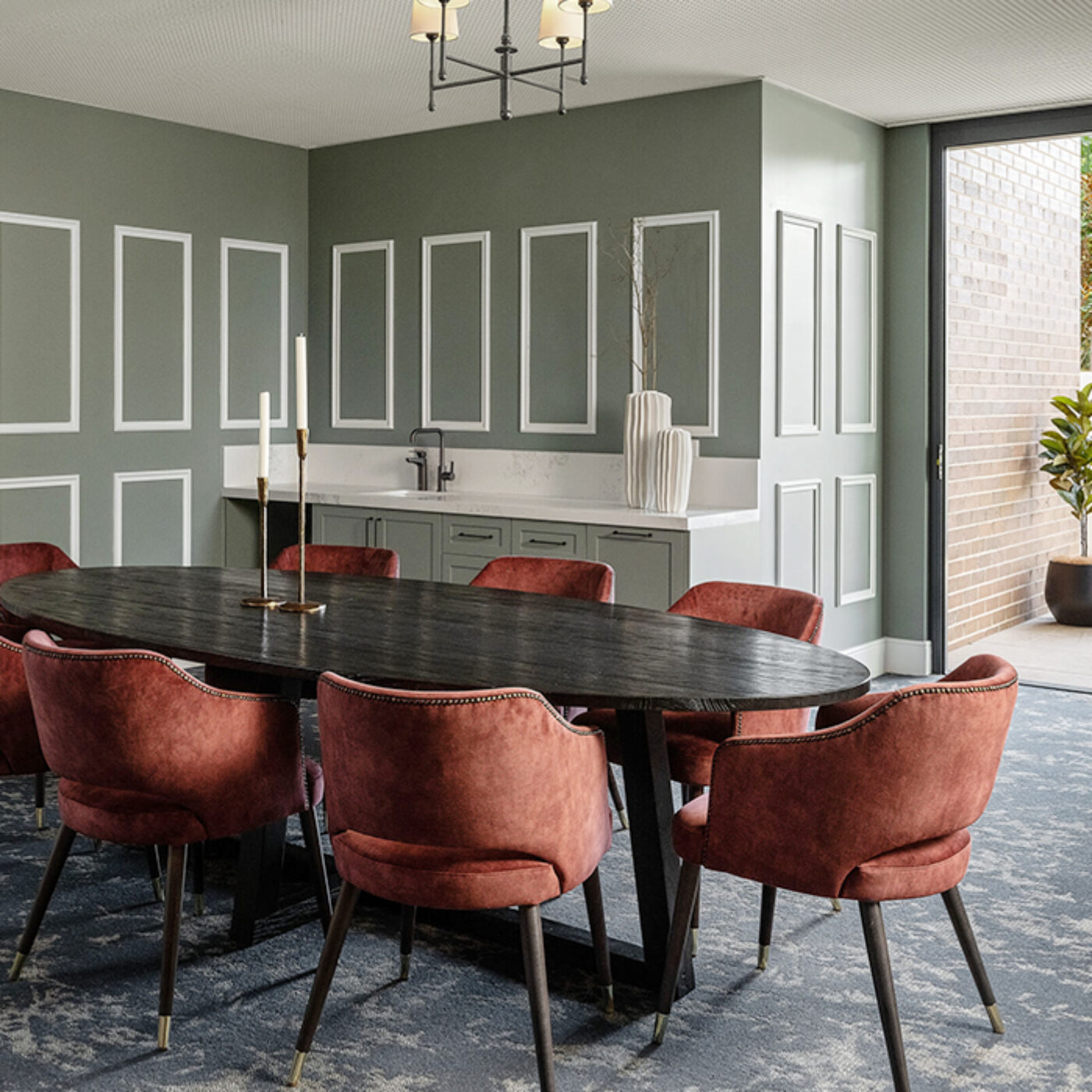
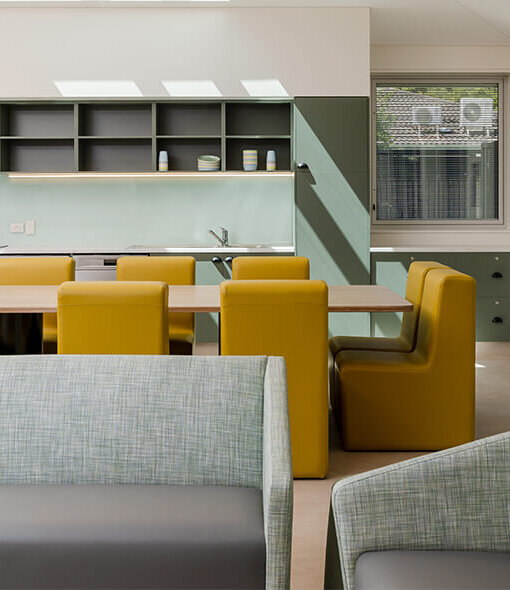
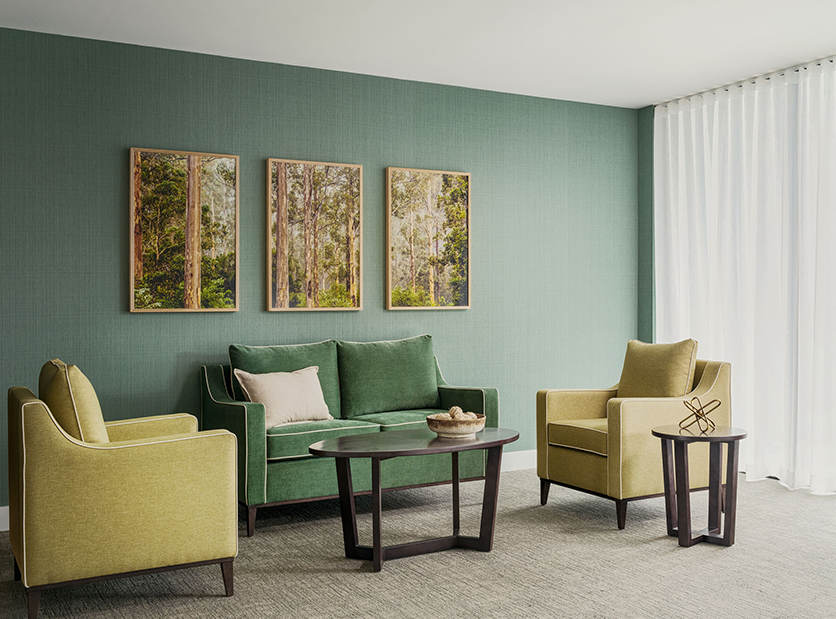
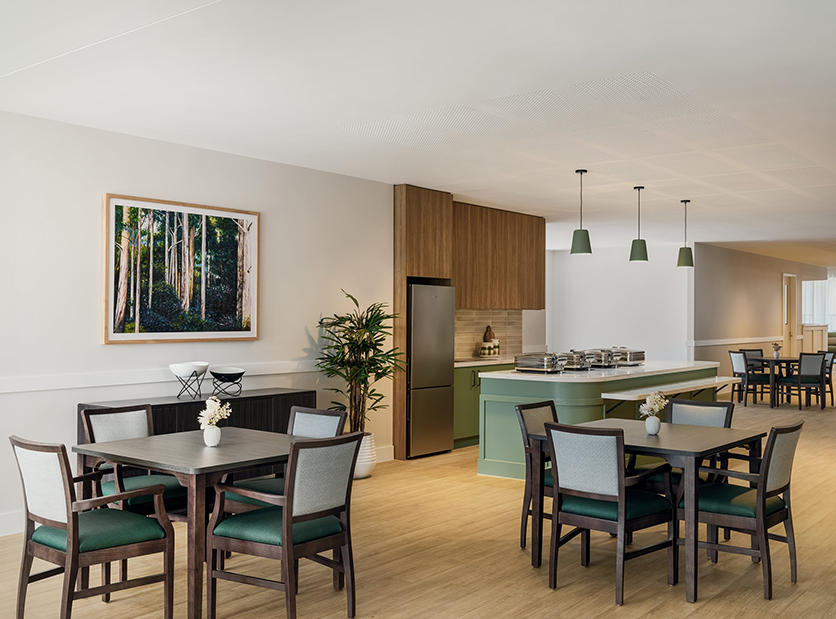
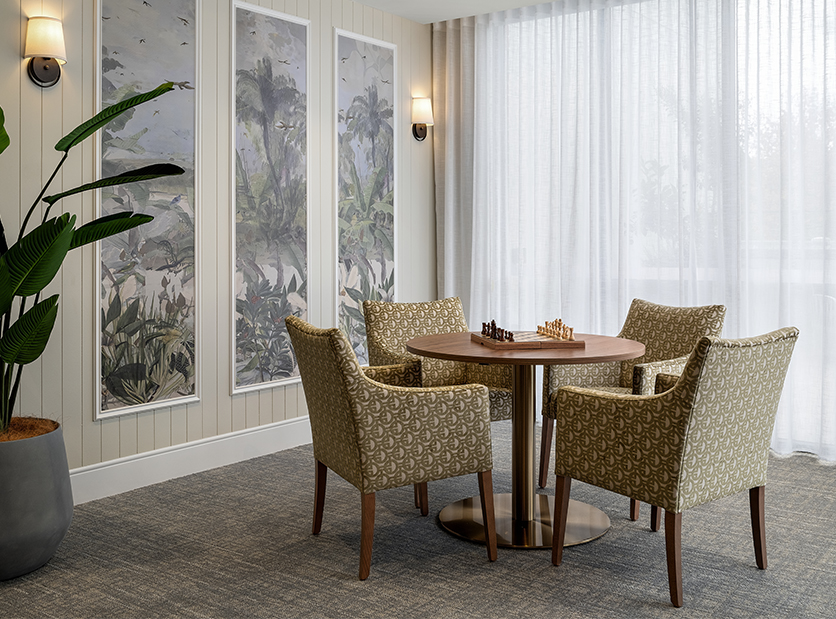
There are no vast communal rooms trying to accommodate every activity, every resident, and every moment of the day. Instead, there are smaller spaces with a clear purpose. A cosy lounge where conversation happens naturally. A quiet retreat for reflection. A welcoming dining area that encourages connection at mealtimes.
These spaces may appear simple, but their impact on daily life can be profound.
As the aged care sector continues to embrace more resident-centred models of care, room clusters have emerged as a key design principle. By creating a collection of purposeful spaces within each household, providers can help residents feel more comfortable, more engaged, and more connected to their environment.
When Bigger Isn’t Always Better
For many years, large multi-purpose rooms were considered the most practical solution in care environments. While efficient from an operational perspective, these spaces can often feel overwhelming or difficult to interpret.
When one room serves as a lounge, activity area, meeting space, and social hub all at once, its purpose becomes less clear. Residents may be less inclined to participate, simply because the environment offers few cues about how the space is intended to be used.
Smaller, clearly defined spaces create a different experience. They help residents instinctively understand where to go, what activities are available, and how they can engage with their surroundings.
In aged care, that sense of clarity matters.
Spaces That Invite Participation
The most successful environments are those that gently encourage everyday activity.
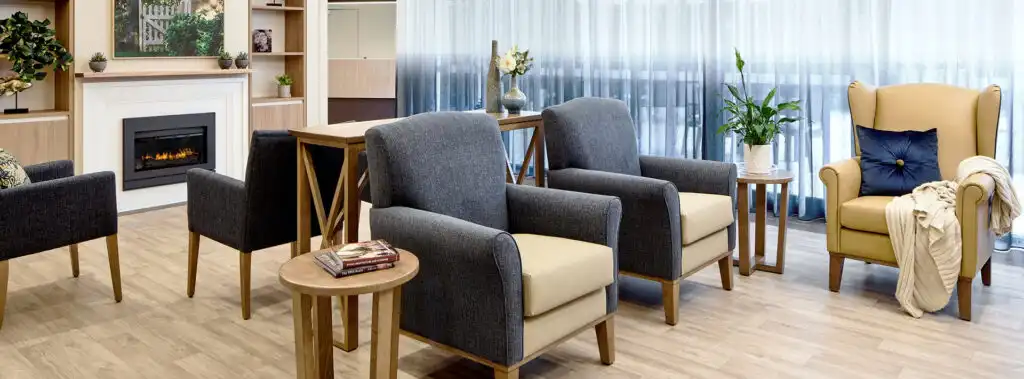
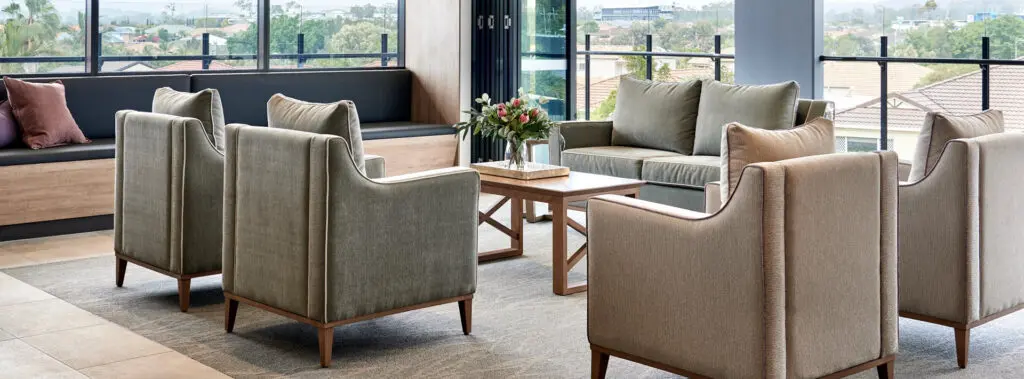
A reading nook invites quiet moments. A lounge arrangement encourages conversation. A dedicated activity space signals creativity, participation and social connection. Each room supports a different aspect of daily life while giving residents greater choice over how they spend their time.
This variety becomes particularly important for residents living with dementia or cognitive decline, where familiar and easily understood environments can contribute to confidence and wellbeing.
Purposeful spaces reduce the effort required to navigate daily life, allowing residents to focus more on engagement and less on orientation.
The Role of Furniture in Defining Space
Furniture is often the element that brings room clusters to life.
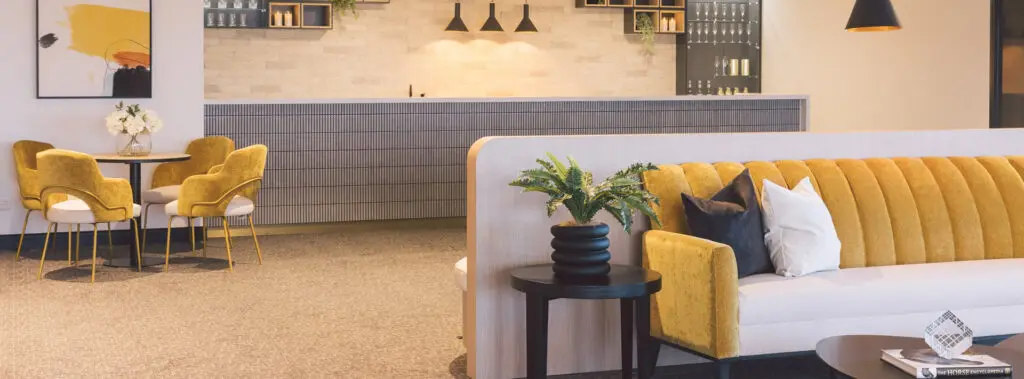
Long before a resident reads signage or receives guidance from staff, furniture helps communicate a room’s purpose. The arrangement of seating, the style of tables, and the overall layout provide subtle but important cues about how a space should be used.
A carefully designed lounge feels different to a dining space. A quiet retreat feels different to a social gathering area.
When furniture selection aligns with the intended function of a space, the environment becomes more intuitive, comfortable and inviting.
This is where thoughtful specification becomes essential. Furniture should do more than fill a room; it should actively support the way residents live, interact and experience their environment.
Designing for Choice and Belonging
Not every resident wants the same thing at the same time.
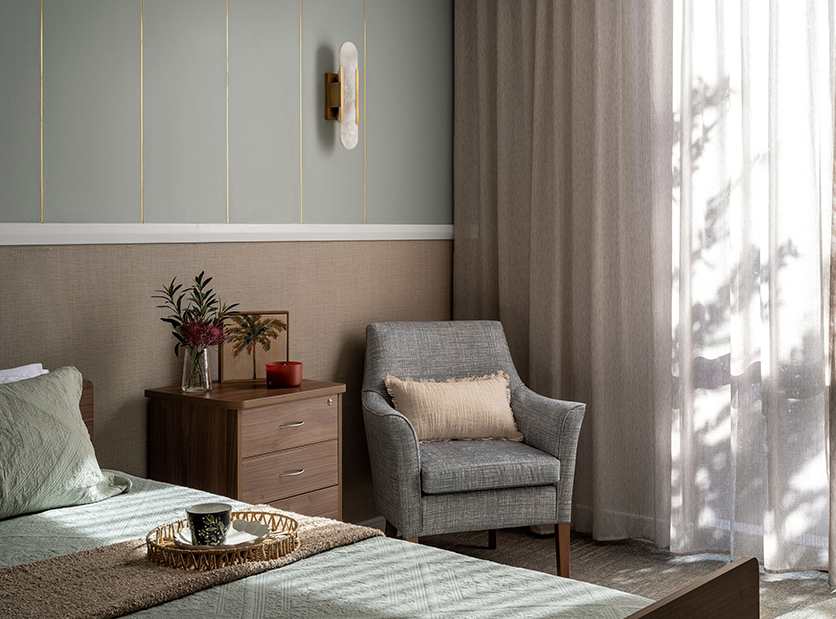
Some seek connection and activity. Others value privacy, calm and reflection. Effective room clusters accommodate both by offering a range of spaces that support different preferences throughout the day.
They also create opportunities to incorporate culturally meaningful environments, familiar furniture styles and household-like settings that strengthen a sense of identity and belonging.
When people feel comfortable in their surroundings, they are more likely to engage with them.
Creating Better Outcomes Through Better Spaces
The benefits of room clusters extend far beyond aesthetics.
Well-defined spaces can support greater participation in daily activities, improve orientation, strengthen social connection, and create a more intuitive experience of daily living. At their best, these environments reduce complexity without reducing choice, making it easier for residents to engage with the moments that matter.
As aged care continues to evolve towards more household-focused models, the conversation is shifting from how much space is available to how effectively that space is used. The most successful environments are rarely the largest. They are the ones where every room serves a clear purpose and contributes meaningfully to everyday life.
More than 50 years of experience in care environments has fostered a deep understanding of how furniture influences the way people experience a space. Beyond its functional purpose, furniture can support comfort, wellbeing and connection, helping to create environments that align with the needs of residents, staff and visitors.
Because in aged care, thoughtful spaces do more than accommodate people. They help create the conditions for connection, confidence and meaningful daily living.

Get in touch today