 Save and group your favourite furniture
  Create separate moodboards for each project
  Export your moodboards as PDFs



In aged care, some of the most meaningful moments do not happen indoors.
A morning coffee in the sunshine. A quiet conversation in the garden. The familiar comfort of watching the seasons change from a favourite seat. These everyday experiences can have a profound impact on how residents feel, engage, and connect with their surroundings.
Yet outdoor spaces are often viewed as an extension of the building rather than an extension of daily life.
As the sector continues to focus on wellbeing, independence, and person-centred care, the role of outdoor environments is becoming increasingly important. Equally important is the role furniture plays in making these spaces accessible, inviting, and genuinely usable.
More Than a Door to the Outside
For residents, access to outdoor spaces is about much more than fresh air.
Outdoor environments provide opportunities for movement, reflection, social connection, and participation in everyday life. They offer a sense of freedom and choice, allowing residents to decide how and where they spend their time.
However, these benefits can only be realised when outdoor areas are safe, secure, and easy to access. Clearly defined pathways, direct access points, and thoughtfully designed environments help remove barriers and encourage residents to engage with the outdoors more confidently.
When access feels effortless, outdoor living becomes part of everyday living.
From Garden to Living Space
A beautifully landscaped garden has potential, but its value is limited if residents do not feel invited to use it.
The most successful outdoor environments are not necessarily the largest or most elaborate. They are the spaces people naturally want to spend time in.
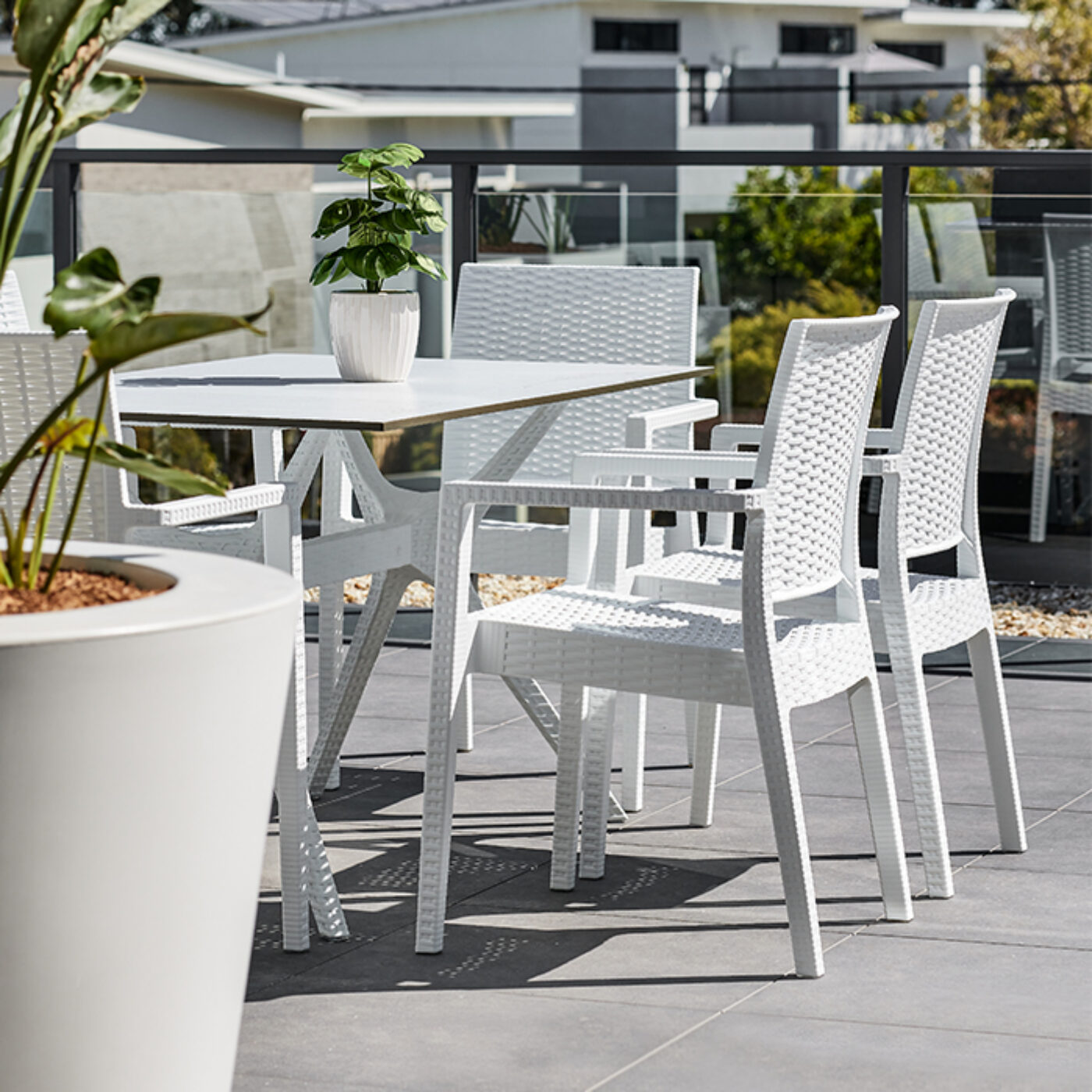
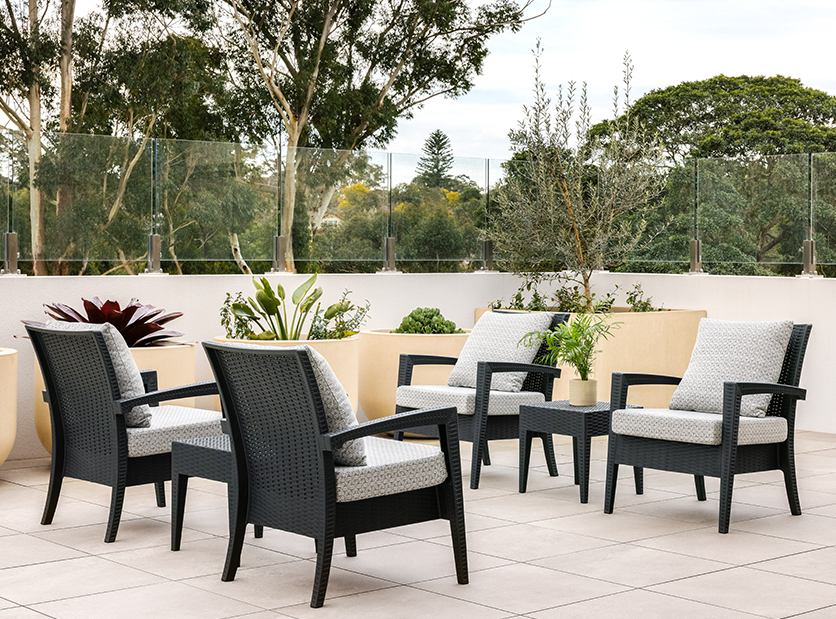
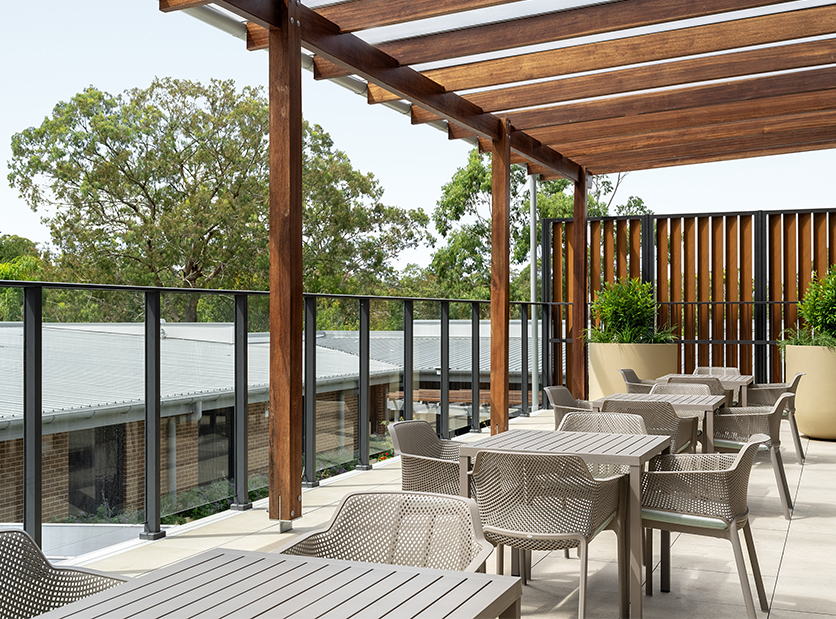
Comfortable seating, shaded retreats, dining settings, and activity zones help transform outdoor areas from something residents look at into somewhere they actively live. Furniture often becomes the bridge between the environment and the experience, creating spaces where residents can gather, relax, and participate in daily life.
In this way, outdoor areas become true extensions of the home rather than destinations visited only occasionally.
The Confidence to Stay Longer
Comfort plays a significant role in how residents use a space.
Thoughtful design helps create environments that feel welcoming, safe, and accessible to everyone. Features such as supportive seating, appropriate shade, stable furniture, and easy circulation paths help residents feel more confident spending time outdoors.
Just as importantly, furniture can influence how independent residents feel. When seating is comfortable, secure, and easy to use, barriers to participation are reduced.
Creating confidence through comfort encourages longer stays outdoors, greater autonomy, and more meaningful engagement with the environment.
Where Connection Finds Its Place
Outdoor spaces offer a unique setting for social connection.
Whether it is sharing a meal with family, chatting with friends, participating in an activity, or simply sitting alongside others, outdoor environments create natural opportunities for interaction and engagement.
Thoughtfully arranged furniture can support these moments by creating welcoming places to gather and connect. Social settings encourage conversation between residents, families, and staff, while flexible outdoor areas can accommodate activities, celebrations, or quiet communal time.
These seemingly simple interactions contribute to a stronger sense of belonging and help residents remain connected to the rhythms of daily life.
When Furniture Becomes Part of Care
In aged care environments, furniture is often viewed through a functional lens. Outdoors, its role can be much broader.
Well-designed outdoor furniture supports more than comfort. It can encourage movement, foster social engagement, and create opportunities for residents to connect with nature on their own terms.
These experiences are closely linked to wellbeing. They can help improve mood, reduce agitation, support emotional health, and reinforce meaningful daily routines.
When furniture is selected with the resident experience in mind, it becomes more than a product. It becomes an enabler of positive outcomes and a valuable part of the care environment itself.
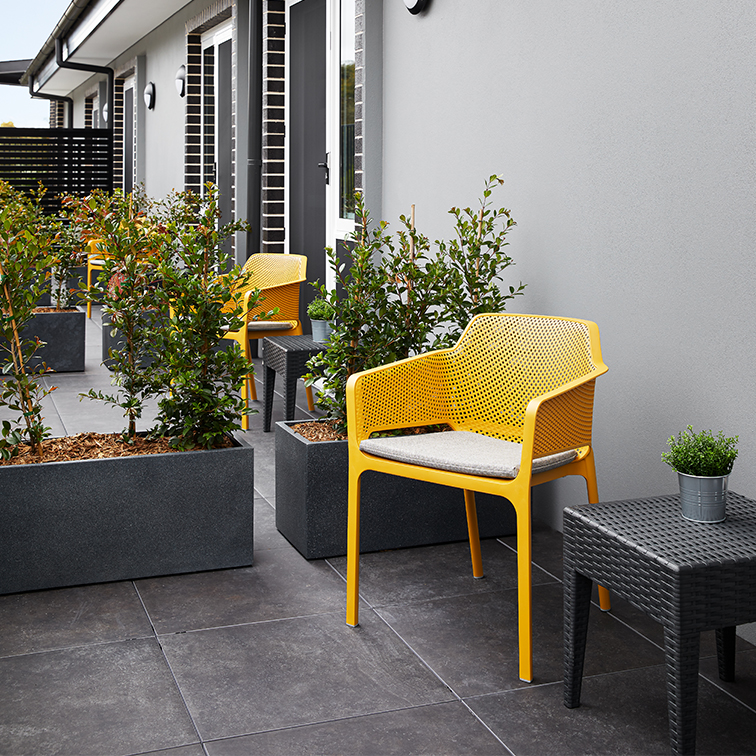
Creating Places That Matter
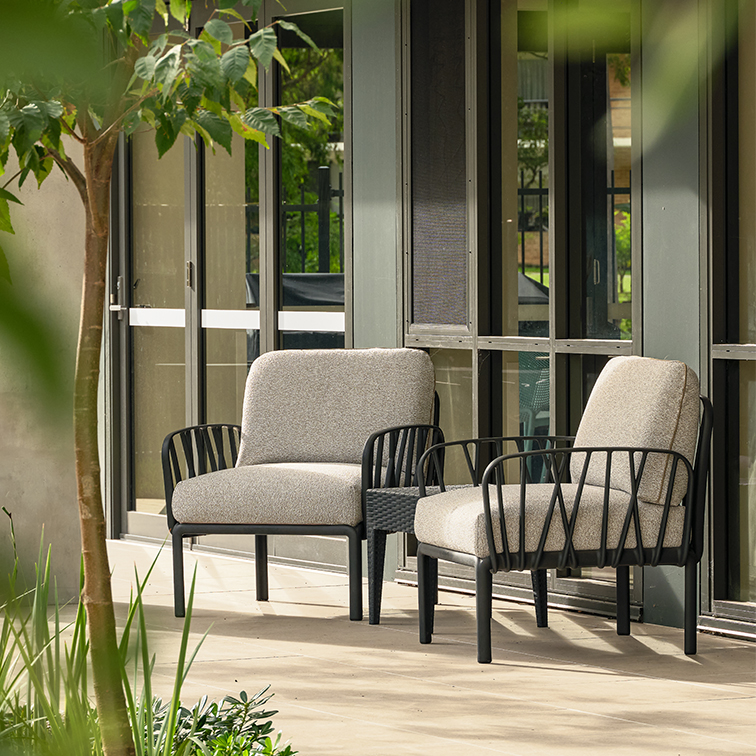
The best aged care environments recognise that every space has a role to play. Outdoor areas should feel like a natural extension of everyday living, offering the same sense of comfort, familiarity, and belonging found indoors.
Throughout this Practical Guide to Appropriate Furniture for Aged Care, we have explored how thoughtful furniture choices can support comfort, dignity, independence, connection, and wellbeing. Outdoor spaces are no exception.
The impact extends beyond time spent outdoors. Residents gain greater independence, stronger social and emotional connections, and more opportunities to engage in the everyday moments that support wellbeing and quality of life.
Ultimately, that is what great aged care design is about. Helping people live well, every day.
Get in touch today