 Save and group your favourite furniture
  Create separate moodboards for each project
  Export your moodboards as PDFs

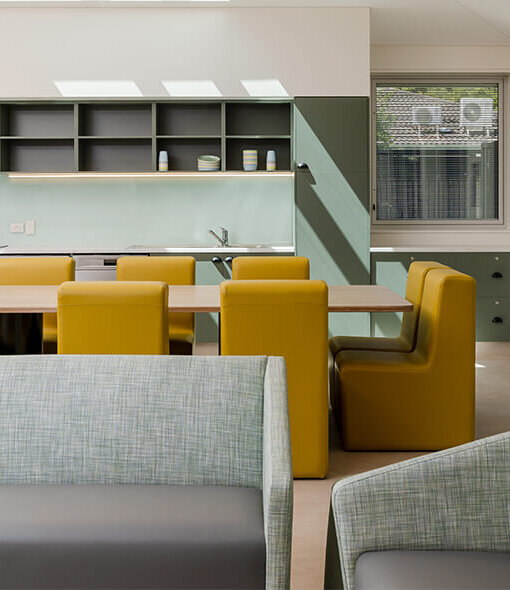

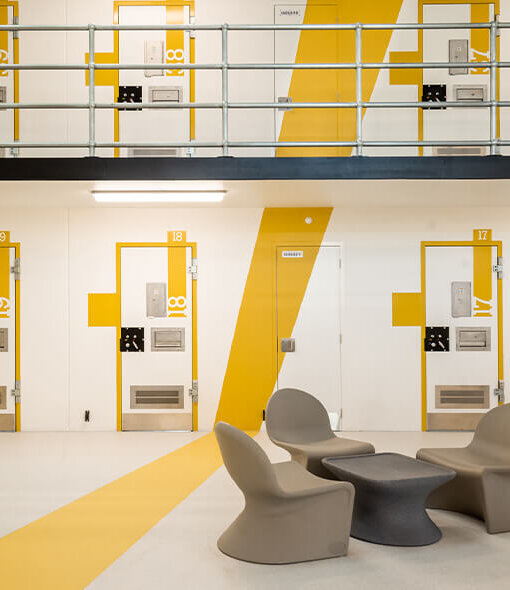
Designing Waiting Areas That Reduce Stress for Patients and Families
For many people, healthcare begins in a waiting room.
It is where a parent waits for answers, where a family member sits quietly after receiving difficult news, or where a patient prepares for an appointment that may feel uncertain or overwhelming. Long before a clinical interaction takes place, the environment is already shaping their experience.
As healthcare providers place greater emphasis on person-centred care, waiting areas are increasingly being recognised as more than transitional spaces. They are an opportunity to reduce anxiety, foster comfort, and reinforce trust from the moment someone walks through the door.
Where the Patient Experience Begins
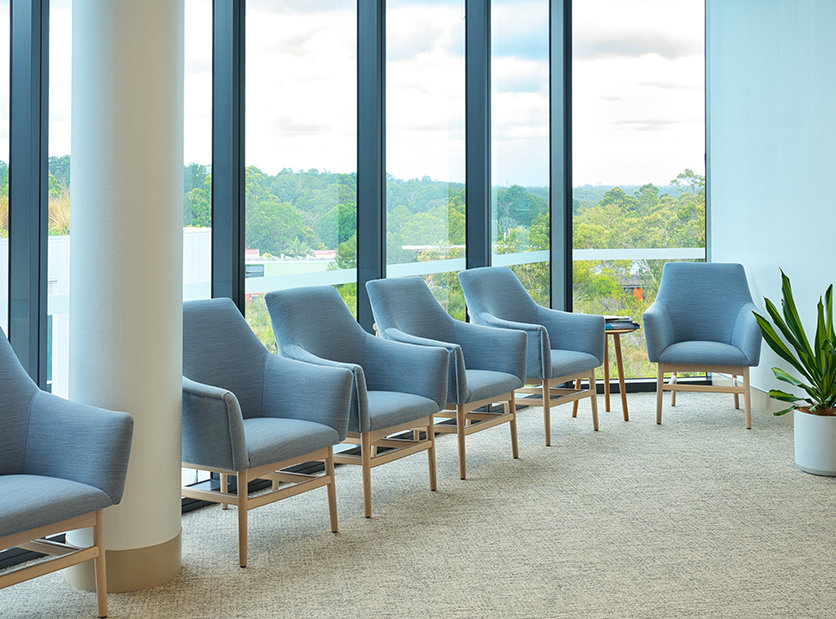
For many people, healthcare begins long before they meet a clinician. It starts in the waiting room. In these moments of uncertainty, the environment quietly shapes perceptions of care, influencing how comfortable, reassured and supported people feel before treatment even begins.
Research consistently shows that physical surroundings can influence stress levels, perceived wait times and overall satisfaction with care. While furniture cannot change the reason someone is visiting a hospital, it can help create a sense of calm during moments of uncertainty.
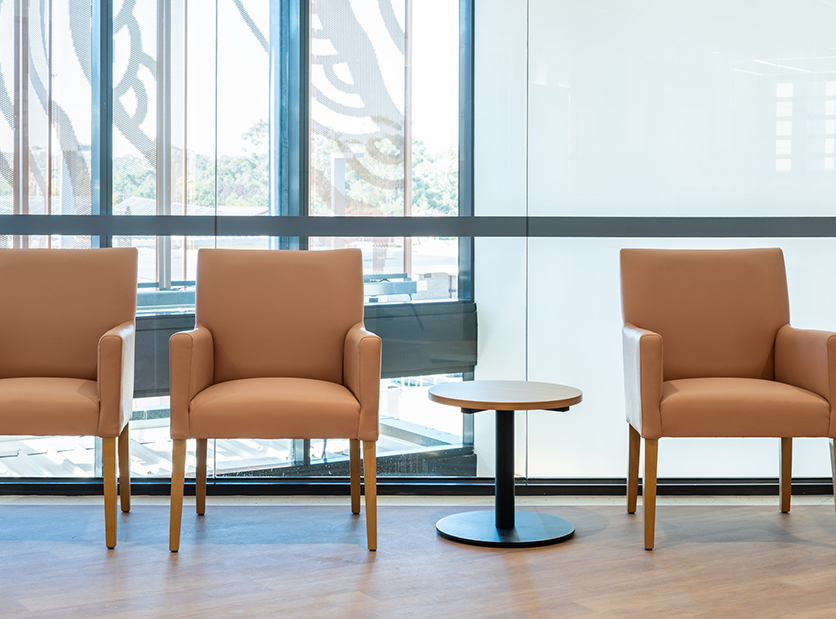
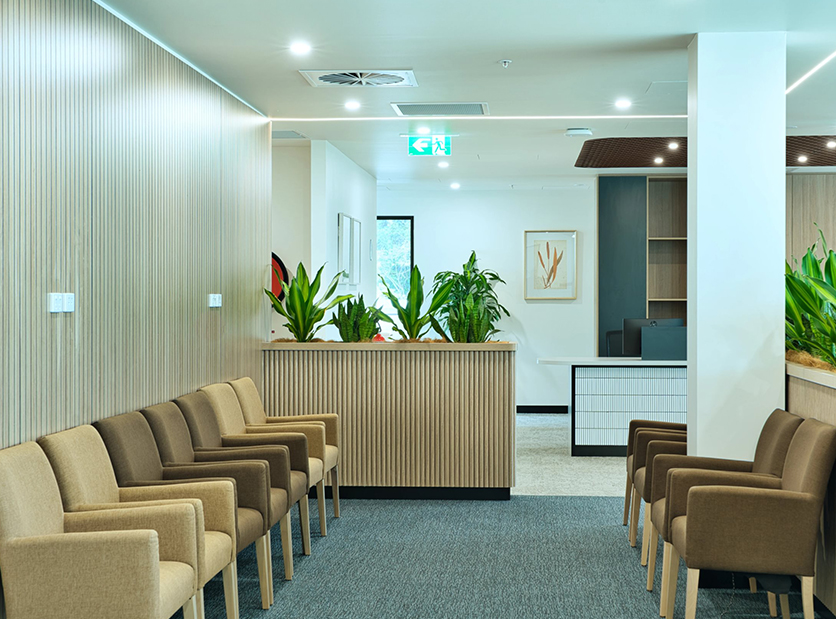
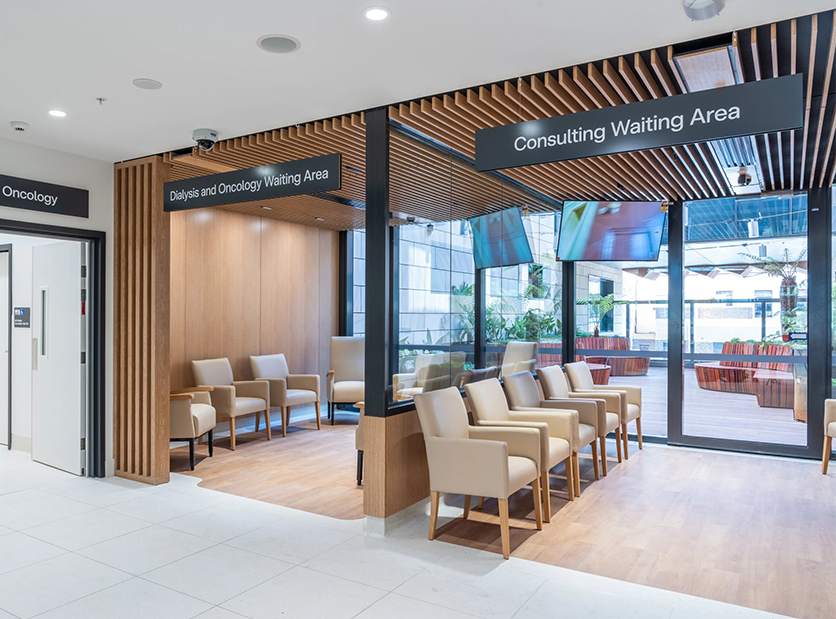
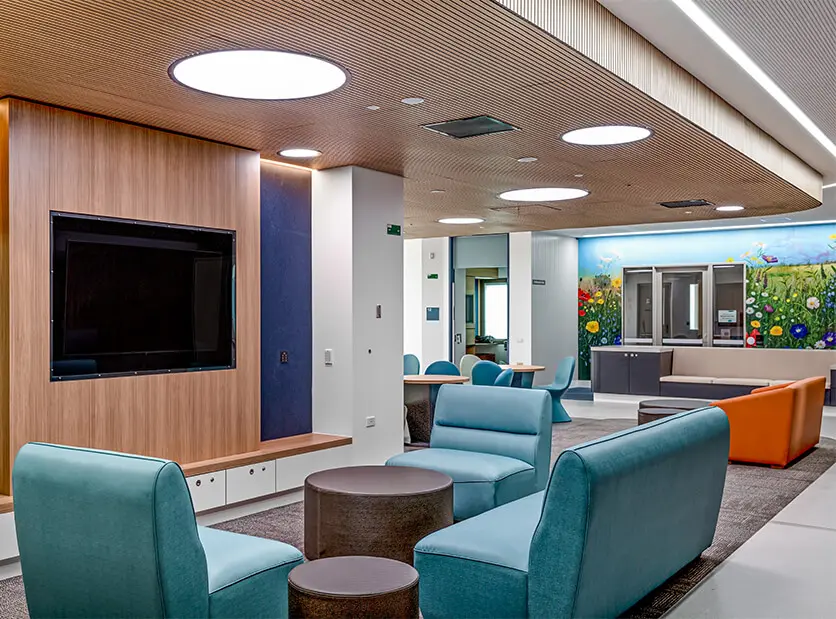
This is where furniture selection becomes more strategic. A waiting area is not simply a collection of chairs. It is an environment designed to support people who may be experiencing physical discomfort, emotional distress or cognitive overload.
The question is no longer whether furniture matters. It is how effectively it contributes to the experience of care.
Comfort is a Clinical Consideration
Traditionally, waiting area furniture has been viewed through a functional lens. Durable, easy to maintain and capable of accommodating high traffic.
Today, healthcare providers are taking a broader view.
Comfort is increasingly recognised as part of the patient experience. Supportive seating, appropriate seat heights and thoughtfully arranged layouts can help reduce physical strain, particularly for older adults, people with mobility challenges and those managing chronic conditions.
Small design decisions can have a significant impact. A chair that is easy to sit down in and stand up from may seem like a simple feature, but for many patients it can make the environment feel more accessible, dignified and welcoming.
The Most Inclusive Spaces Don’t Announce Themselves
Accessibility is most effective when it feels natural.
Rather than treating accessibility as a separate consideration, leading healthcare environments integrate it seamlessly into the overall experience. Furniture plays an important role in achieving this balance, supporting diverse physical needs without creating spaces that feel clinical or segregated.
When circulation paths are intuitive, seating options are varied and people can move comfortably through a space, the environment works for everyone.
The result is not just improved accessibility. It’s a stronger sense of belonging and independence for patients, families and visitors alike.
Infection Control and Human-Centred Design Can Coexist
For healthcare providers, furniture performance remains critical.
Waiting areas are among the most frequently used spaces within a hospital, requiring furnishings that can withstand intensive cleaning protocols while maintaining their appearance and functionality over time.
Fortunately, advances in healthcare furniture have reshaped expectations. Durable materials, cleanable surfaces and robust construction no longer require environments that feel cold or institutional.
The most effective healthcare spaces demonstrate that infection control and human-centred design are not competing priorities. They are complementary ones.
First Impressions Influence Trust
Trust in healthcare is built through expertise, communication and outcomes.
But it often begins with something much simpler: the environment people encounter when they arrive.
A well-considered waiting area signals professionalism, care and attention to detail. It tells patients and families that their comfort has been considered, even before a conversation takes place.
These signals matter because people often form impressions within moments of entering a space. In healthcare settings, where reassurance and confidence are especially important, the physical environment becomes a powerful extension of the care experience.
Designing for the Moments That Matter
The role of the waiting area is being redefined. No longer considered simply a functional space between arrival and treatment, it is increasingly recognised as an extension of the care experience itself. The environment patients and families encounter can shape perceptions of comfort, trust and quality of care long before a clinical interaction takes place.
After more than 50 years supporting care environments across Australia, Crown Furniture has seen growing recognition of the impact these spaces can have. Today, successful waiting areas are measured not only by how efficiently they accommodate people, but by how effectively they support them.
Because in healthcare, every journey begins with an experience, and more often than not, that experience starts in the waiting room.

Get in touch today