 Save and group your favourite furniture
  Create separate moodboards for each project
  Export your moodboards as PDFs



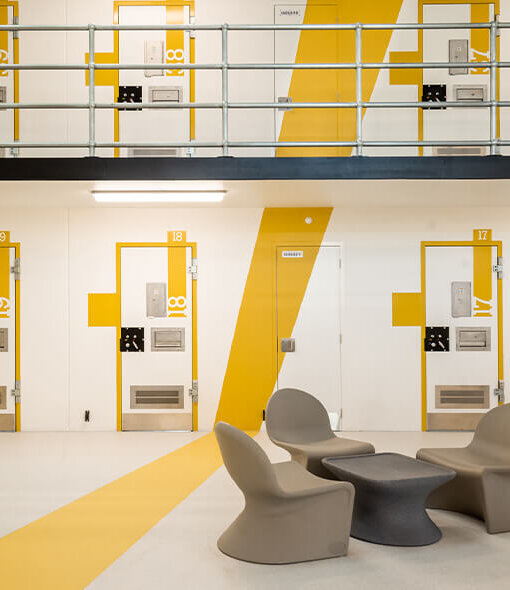
There is a quiet shift when a communal space begins to feel less clinical and more lived in. It is often found in the small moments, a familiar seat by the window, a comfortable place to pause, or a setting that invites conversation without expectation.
In elderly mental healthcare environments, these shared spaces play an important role in everyday wellbeing. They can help restore routine, encourage connection, support independence, and provide a sense of comfort and belonging.
The most successful communal spaces balance safety with dignity, and support with familiarity. Here are five ways thoughtful design can help create these spaces where people feel welcome, reassured, and at ease in elderly mental health settings.
Familiarity Shapes Comfort
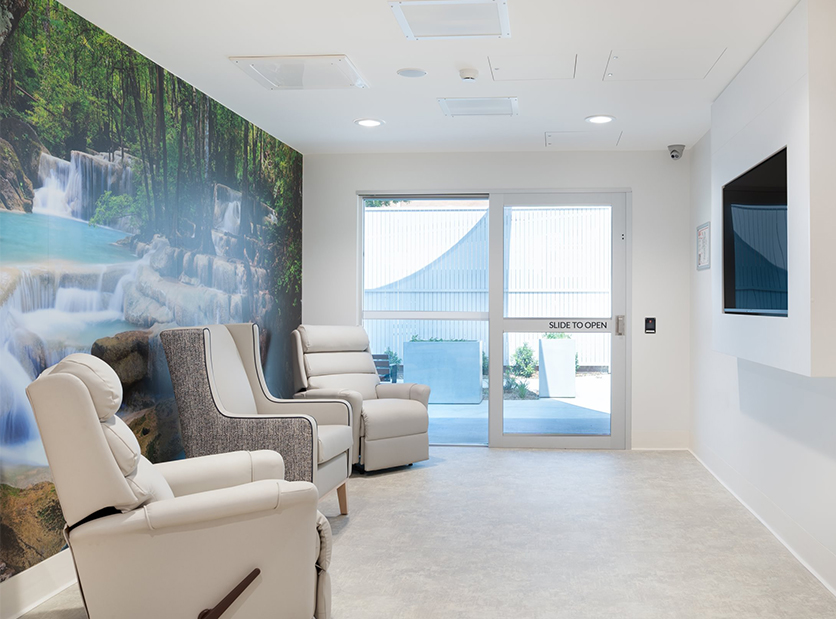
There is often a noticeable difference when a space feels more like everyday living and less like a clinical environment. Familiar surroundings can help reduce anxiety, support orientation, and create a greater sense of ease.
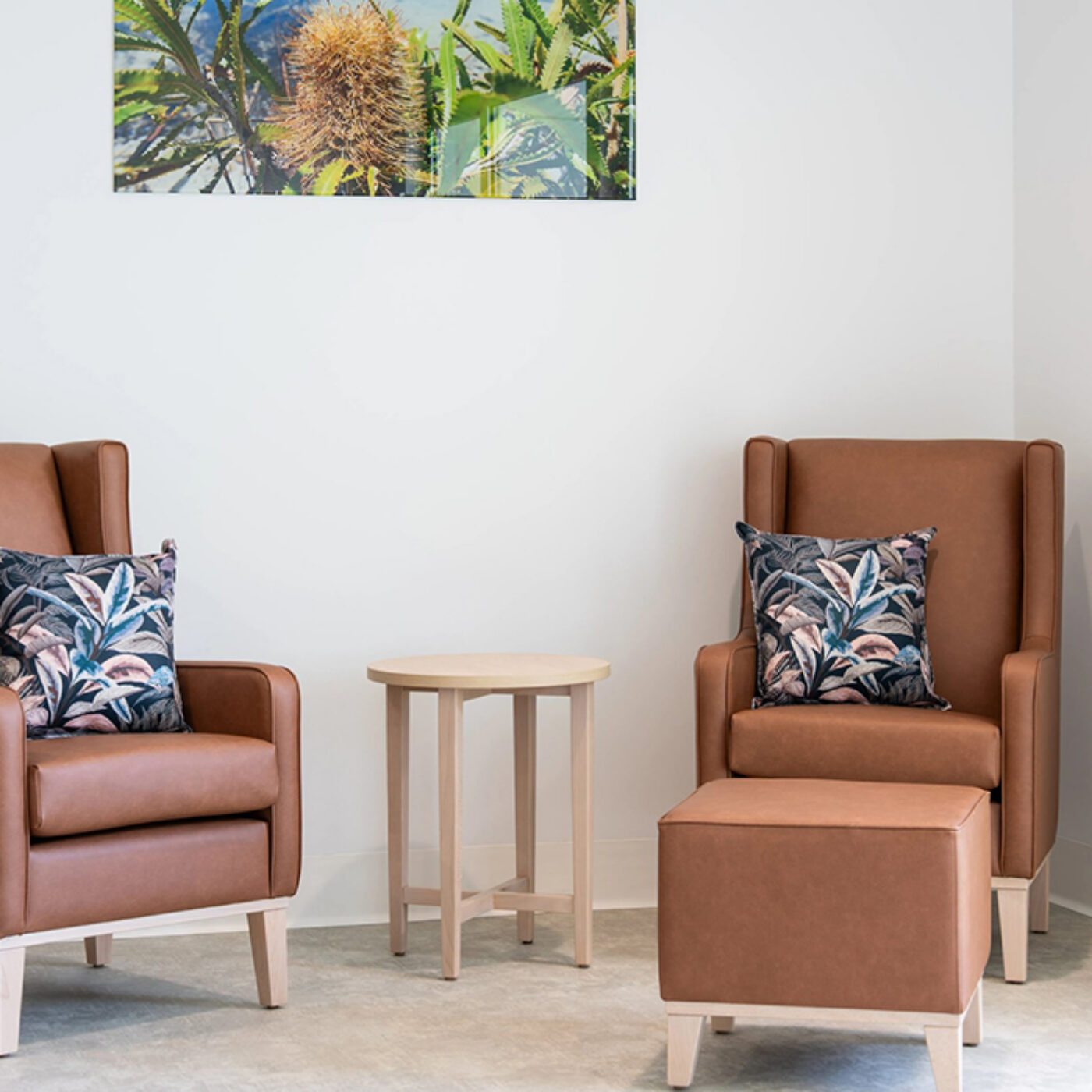
Within communal spaces, simple elements such as residential-style furniture, warm finishes, and welcoming layouts can contribute to an environment that feels reassuring and approachable. The result is a space where people are more likely to feel comfortable spending time, engaging with others, or simply sitting quietly.
When Safety and Comfort Work Together
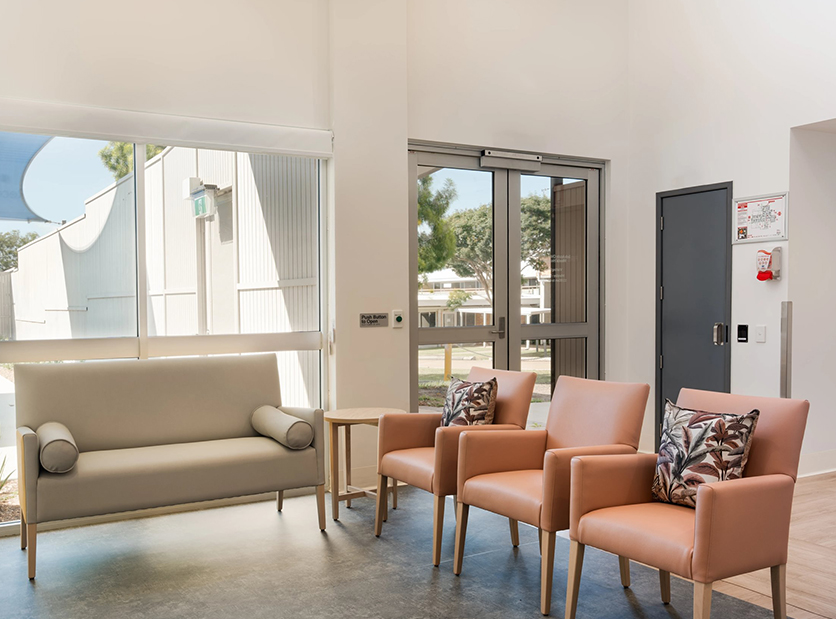
Furniture plays an important role in how a communal space is experienced. The most considered pieces incorporate safety requirements in a way that feels natural rather than institutional.
Features such as rounded edges, supportive armrests, and appropriate seat heights can improve comfort and make everyday movement easier. These subtle details help foster confidence and independence, while maintaining a welcoming and familiar atmosphere.
The Influence of Materials and Colour
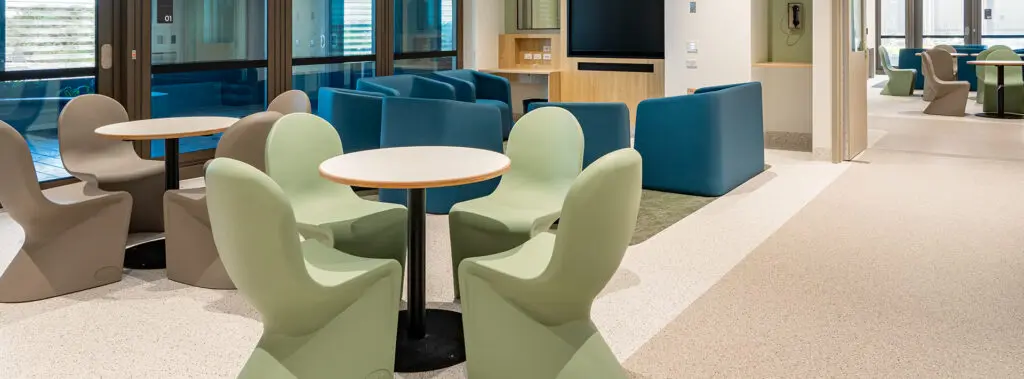
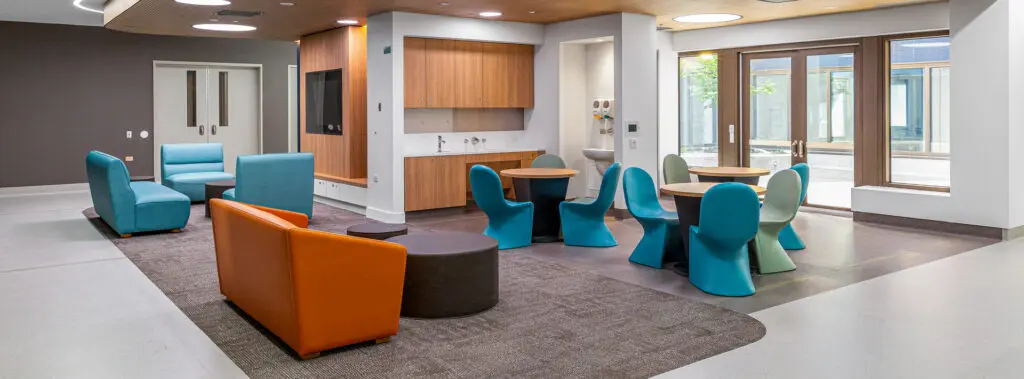
Materials contribute as much to the feeling of a space as they do to its performance. Soft textures, warm timber tones, and muted palettes can help create an environment that feels calm and settled.
While furniture and finishes must withstand the demands of healthcare settings, they also have the ability to shape mood and experience. When carefully considered, these elements can make communal spaces feel more comfortable, approachable, and reassuring.
Insights Found in Everyday Use
Some of the most valuable design insights emerge once a space becomes part of daily life. The way people move through an environment, choose where to sit, or interact with others often reveals opportunities for refinement.
Small details can have a meaningful impact. Seat height, arm support, and furniture placement all influence how confidently a space can be used. Observing these everyday interactions helps create environments that better support comfort, accessibility, and engagement over time.
Clarity Through Consistency
The most successful communal spaces often feel intuitive without demanding attention. A consistent approach to materials, furniture, and colour can create a sense of order that helps people feel more comfortable within their surroundings.
Thoughtful layouts can gently define different areas and guide movement naturally, allowing spaces to feel easy to navigate and understand. This sense of clarity helps create environments that are both supportive and welcoming for residents and staff alike.
A Thoughtful Approach in Practice
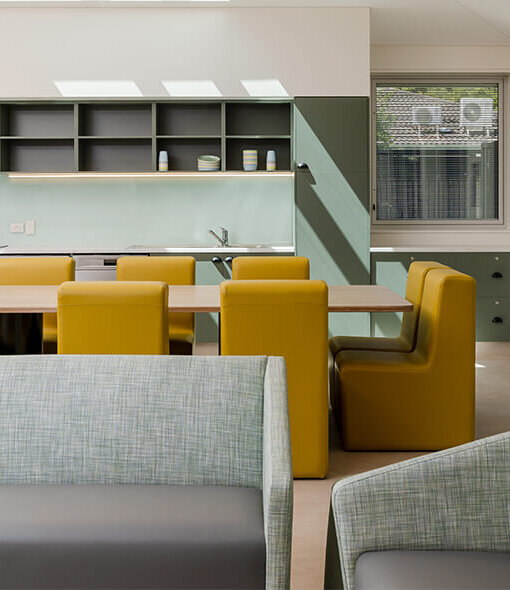
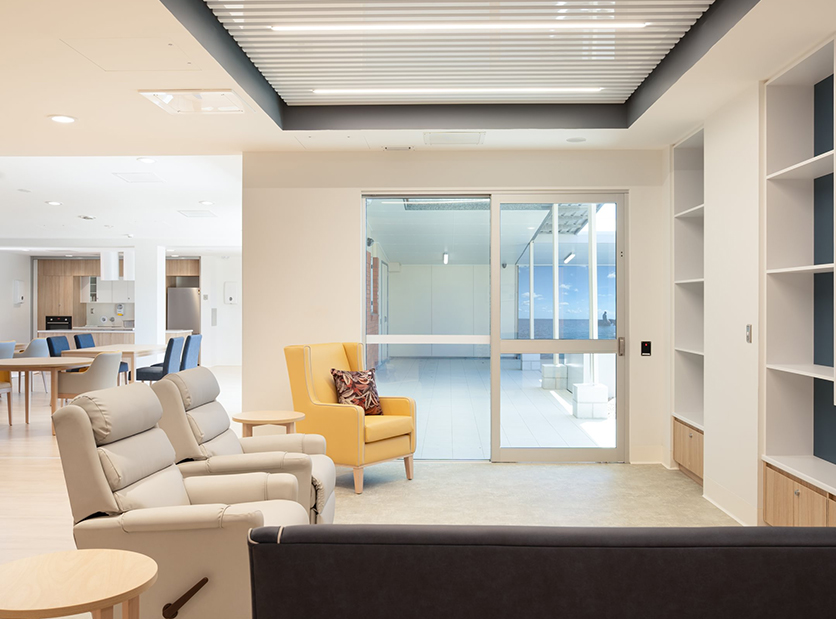
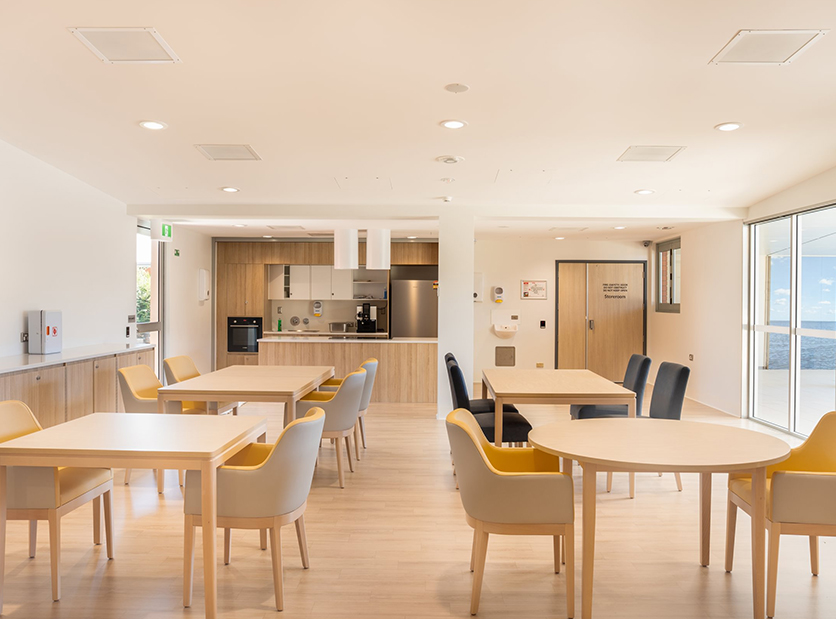
At the Maryborough Mental Health Older Persons Unit (MOPU), the communal spaces were designed with everyday experience in mind. Places to sit, pause, and connect were carefully considered to create an environment that feels calm, familiar, and supportive.
Furniture, such as the Juniper Tub Lounge and Noosa 2.5 Seater Mid Back Lounge, was selected for its comfort and supportive design, helping residents feel at ease while encouraging relaxed use of shared spaces. Combined with warm, muted upholstery and informed by user trials, the result is a communal environment that feels welcoming, functional, and easy to engage with.
While every project is different, the principles remain the same. Thoughtful choices in furniture, materials, and layout can help create environments that feel calm, welcoming, and easy to navigate. Spaces that gently support independence, encourage connection, and provide a reassuring sense of belonging throughout the day.
Get in touch today