 Save and group your favourite furniture
  Create separate moodboards for each project
  Export your moodboards as PDFs

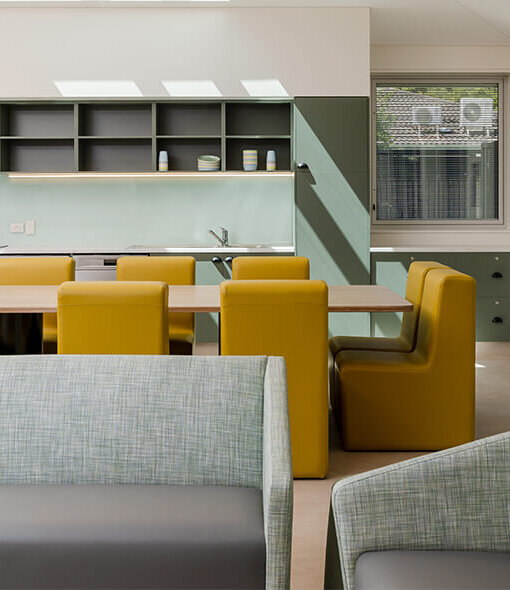

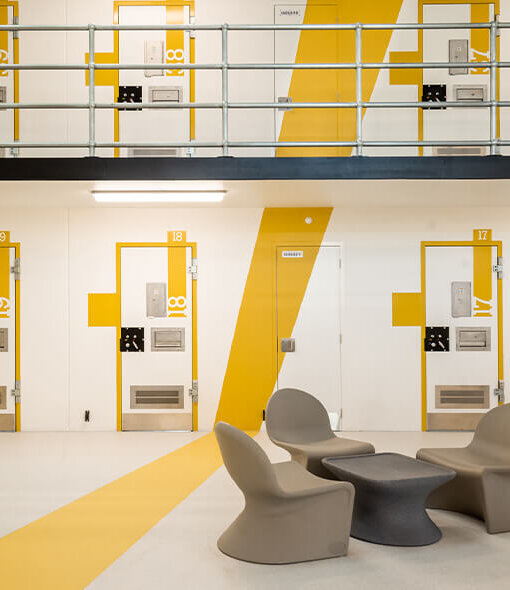
The Hidden Impact of Furniture Decisions Over Time
Mental health environments are shaped by decisions that extend well beyond immediate clinical need. Furniture is one of the least visible of these decisions, yet over time it plays a defining role in how safe, stable and reliable a space feels for those who use it every day.
Too often, furniture selection is treated as a one-off procurement task. Specifications are reviewed, budgets assessed and unit costs compared. What receives far less attention is the cumulative impact these decisions have across the life of a facility. In mental health units, the true cost of furniture rarely ends at purchase, it unfolds over time through maintenance demands, premature replacement, room downtime and operational disruption.
When durability is underestimated, the consequences are rarely isolated. They compound.
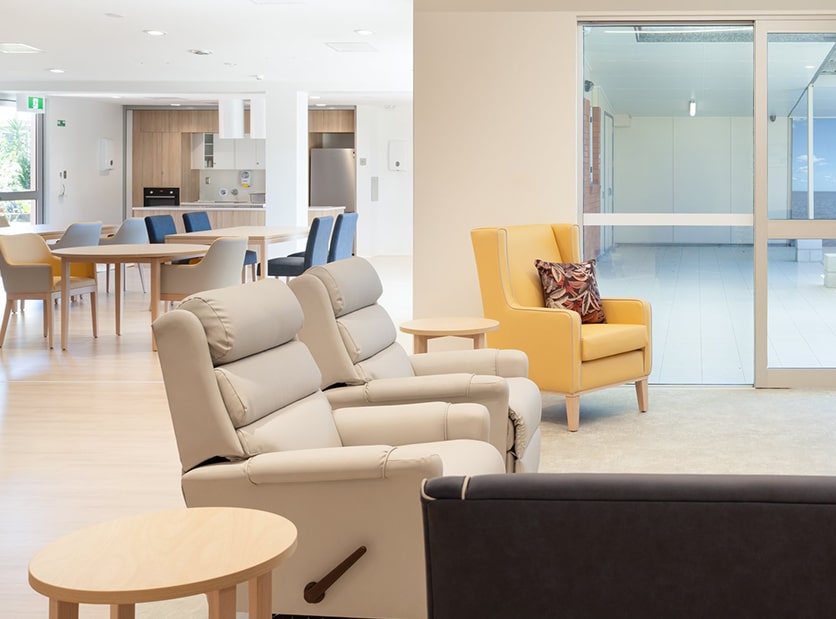
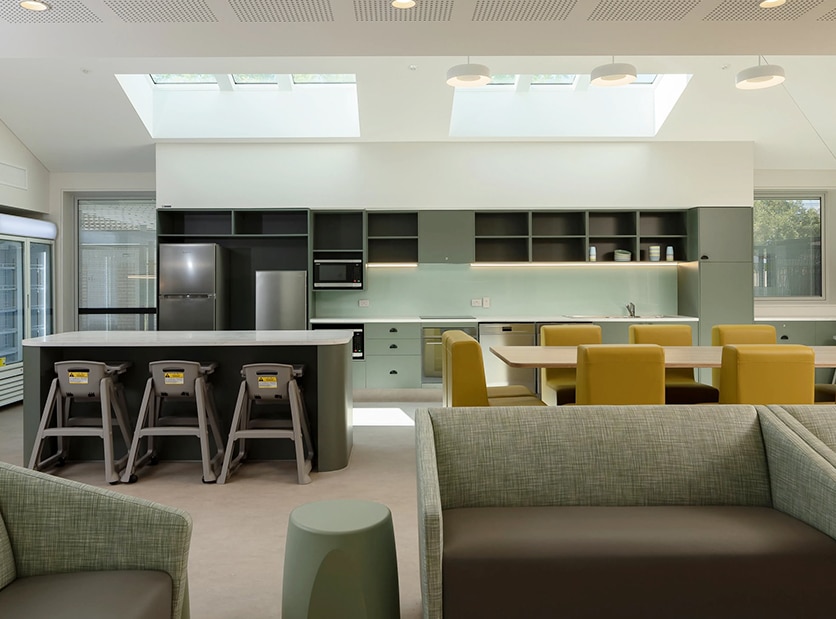
When Lower Cost Creates Ongoing Pressure
Choosing lower-cost furniture can appear practical, particularly in tightly governed or publicly funded environments. However, furniture not designed for the realities of mental health care often carries a very different cost profile over time. Initial savings are frequently offset by recurring repairs, shortened lifespans and increasing operational pressure.
Mental health settings place sustained and unique demands on furnishings. High-frequency use, rigorous cleaning protocols and the need to manage distress-related behaviours accelerate wear far beyond standard commercial expectations. As deterioration becomes visible, the impact extends beyond appearance, it can influence perceptions of safety, stability and respect within the environment.
Failure is rarely immediate. It emerges gradually through loosening joints, worn edges and surfaces that no longer perform as intended. Over time, these small degradations reduce reliability, introduce risk and place additional strain on clinical, facilities and maintenance teams.
The Broader Cost of Furniture Failure
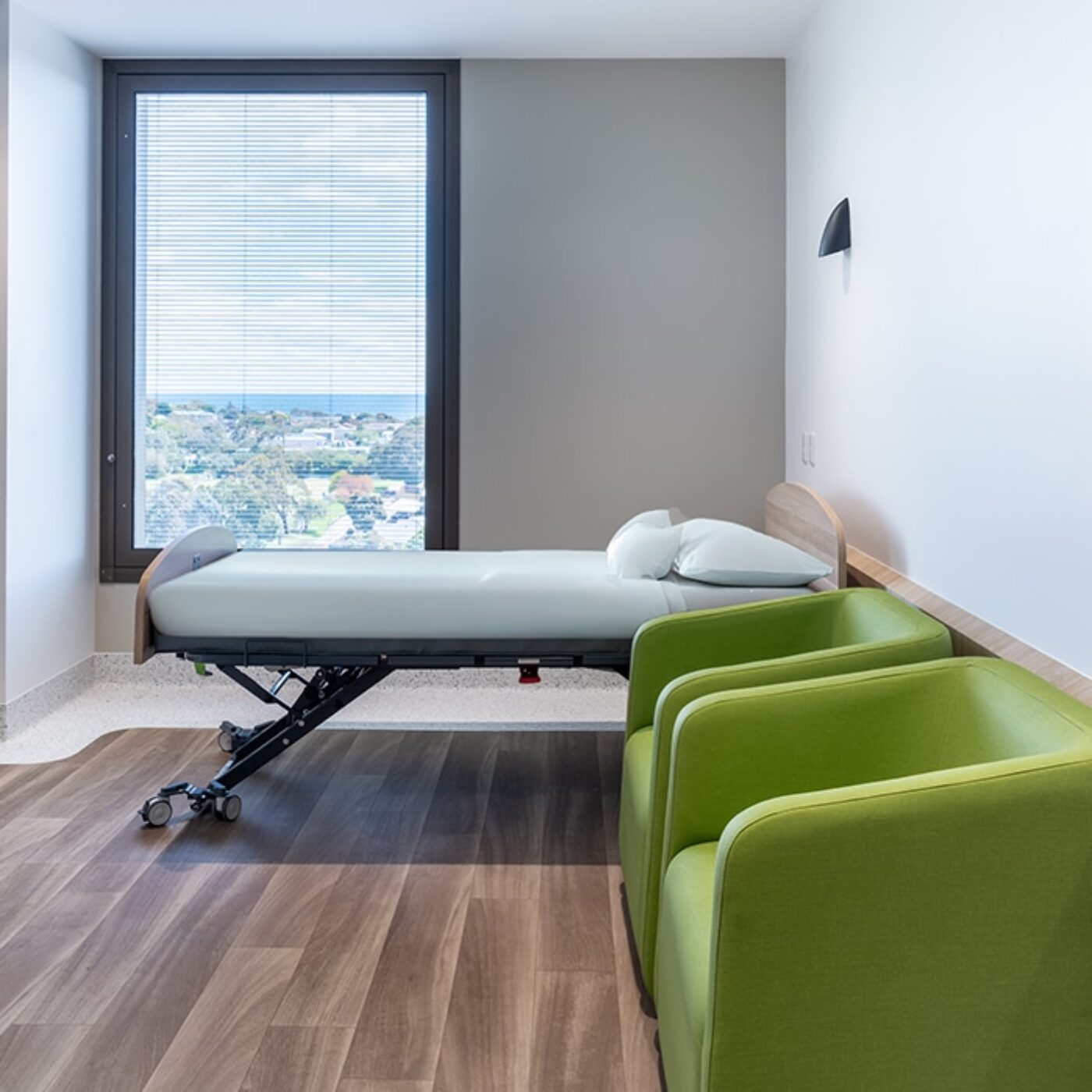
When furniture underperforms, the consequences extend well beyond maintenance schedules. A compromised bed or chair can render a room temporarily unusable, affecting capacity and disrupting established therapeutic routines. In many cases, facilities are forced into reactive replacement decisions—often at higher cost and with limited suitable options available at short notice.
There is also a less visible, but equally significant, operational impact. Time spent managing faults, coordinating repairs or implementing temporary workarounds is time diverted from patient care. Across months and years, these interruptions accumulate—quietly eroding efficiency, increasing pressure on staff and reducing budget predictability.
In environments where demand is already high, avoidable disruption carries real consequences.
Why Robust Design Changes the Equation
Durability is not incidental. It is the result of deliberate design, material selection and construction methods informed by real-world use. Furniture developed specifically for mental health environments prioritises strength, stability, secure detailing and finishes that withstand frequent cleaning without deterioration.
When furniture consistently maintains its form and function, it introduces predictability into the environment. Fewer failures reduce the need for reactive decision-making. This predictability supports safer spaces, lowers unplanned maintenance and allows facilities teams to plan with greater confidence. It becomes a form of operational protection, for budgets, for staff, and for the people relying on these environments every day.
Longevity also contributes to more responsible resource use. Extending replacement cycles reduces waste and supports broader sustainability objectives within healthcare settings.
A Long View of Value
In mental health environments, durability is not an optional upgrade—it is a measure of stewardship. Purpose-designed furniture supports therapeutic spaces by maintaining consistency, reducing disruption and helping environments remain calm, safe and dependable over time.
This level of reliability is shaped by experience and a clear understanding of how furniture performs under sustained clinical pressure. At Crown Furniture, design decisions are informed by real-world application and a long-term commitment to solutions that continue to perform in demanding mental health settings.
From this perspective, value extends well beyond initial cost. It is realised through years of consistent performance, reduced maintenance burden and environments that continue to feel secure, stable and fit for purpose over time.
A Gentle Consideration
Furniture decisions in mental health settings benefit from foresight and sector‑specific insight. Considering durability, maintenance and long‑term performance early can ease pressure later and help environments remain stable and reliable.
Should it be helpful, our team is available for a thoughtful conversation.
Get in touch today