 Save and group your favourite furniture
  Create separate moodboards for each project
  Export your moodboards as PDFs

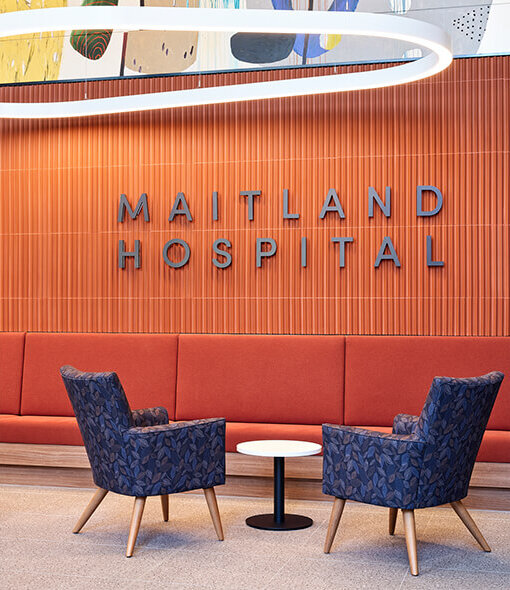
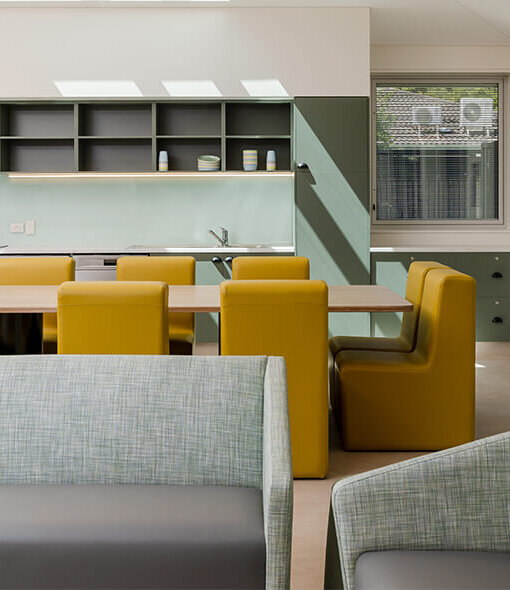

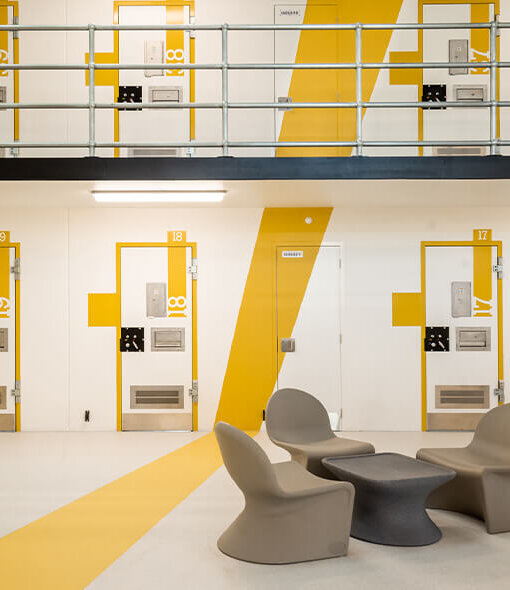
Beyond the Clinical Journey
Recovery is shaped by more than the care people receive. It is also influenced by how a space makes them feel from the moment they arrive.
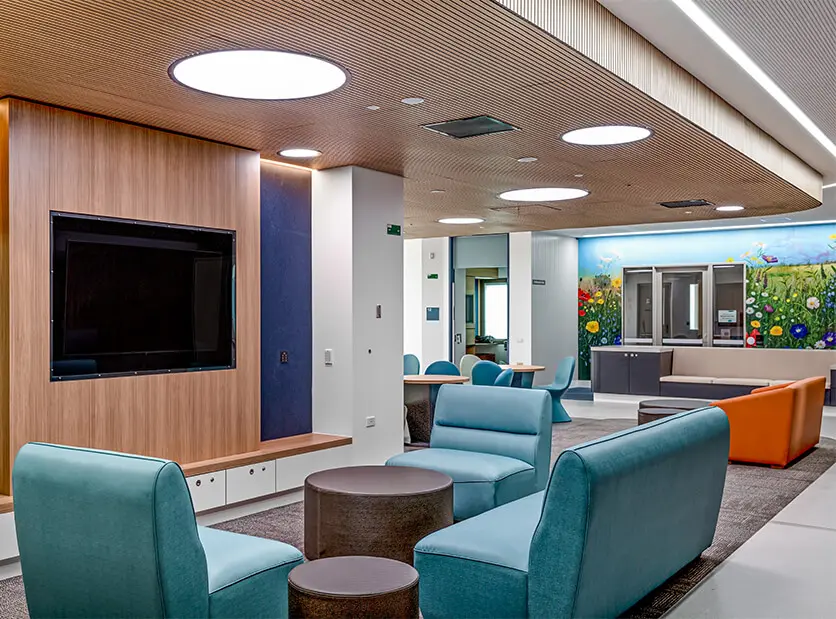
In mental health environments, some of the most important therapeutic spaces are not treatment rooms. They are the spaces in between. Entry points, corridors, waiting areas, breakout spaces and pathways all influence how people transition through their care journey.
These often-overlooked transition zones are where first impressions are formed, anxiety can either build or begin to ease, and a sense of safety and comfort starts to emerge. As mental health design continues to evolve, providers are recognising that these everyday spaces play a meaningful role in supporting wellbeing long before clinical care begins.
Bringing Nature into Everyday Care
As healthcare environments become increasingly focused on holistic wellbeing, biophilic design is transforming how transition spaces are experienced.
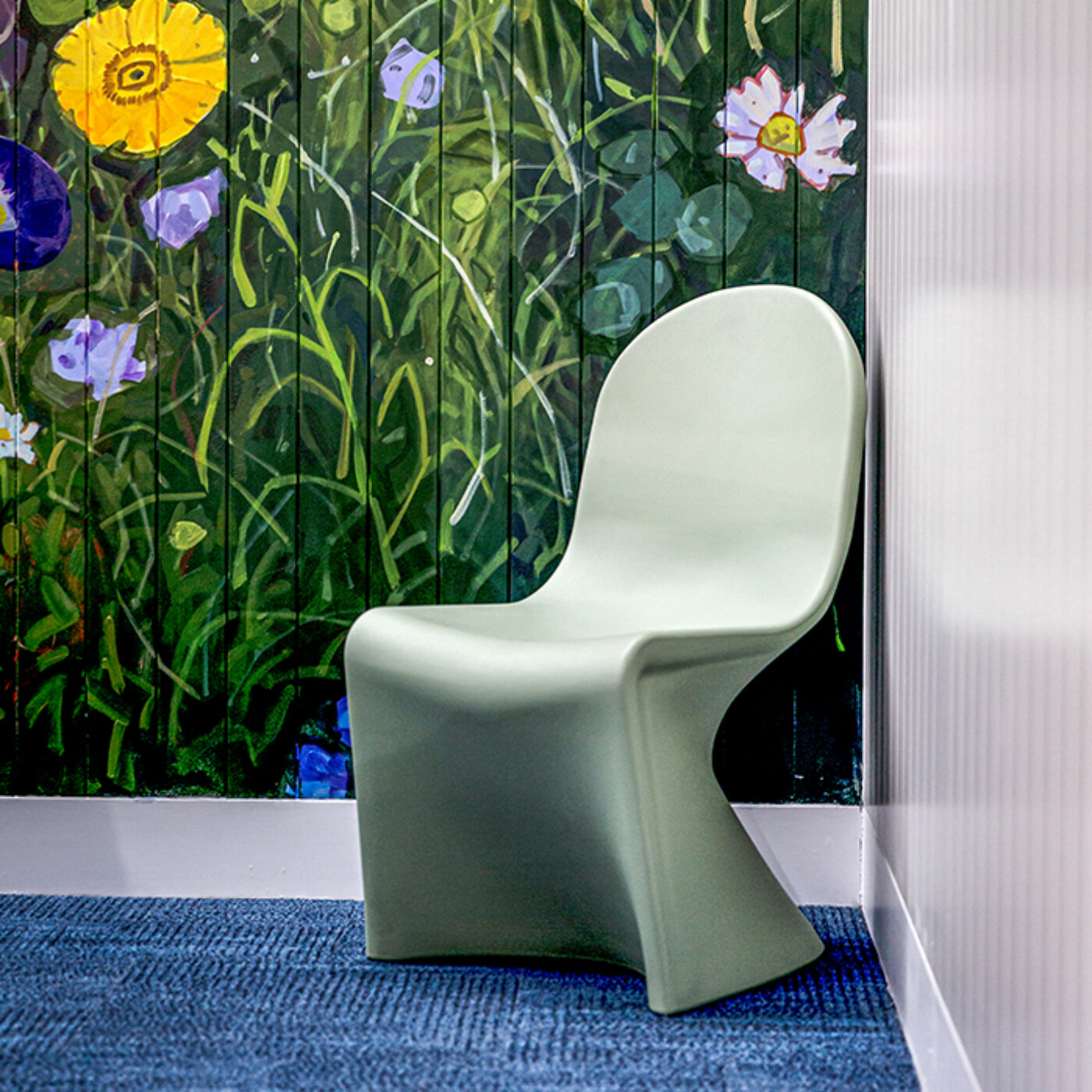
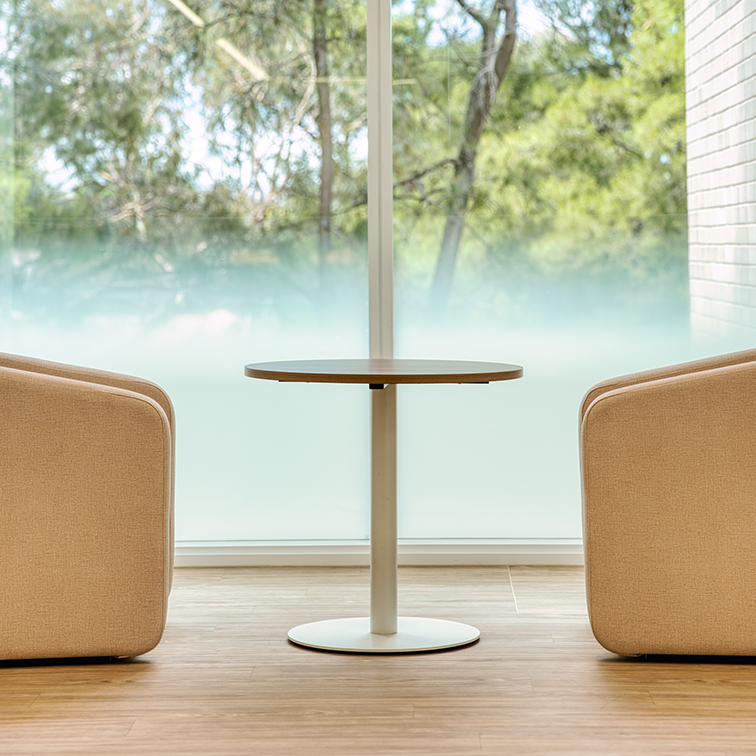
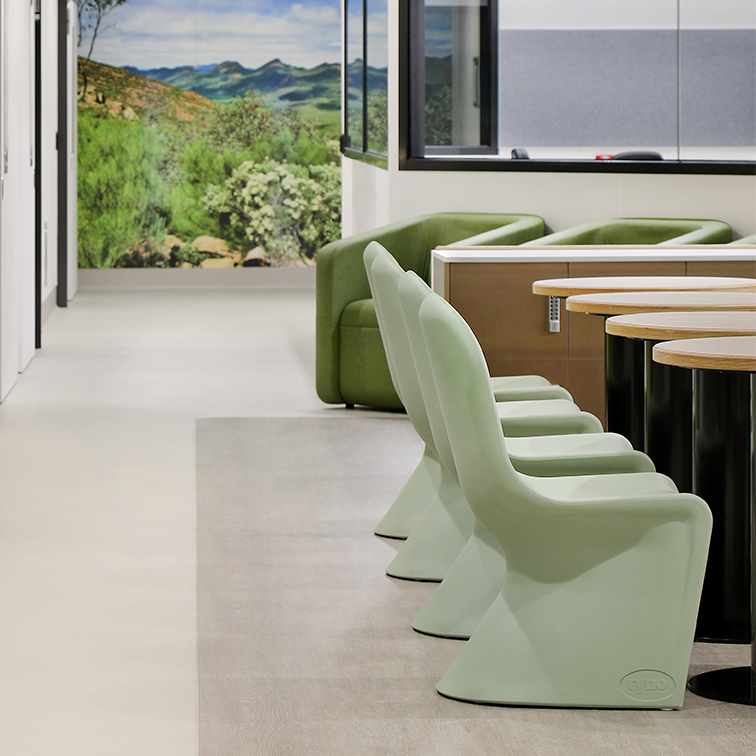
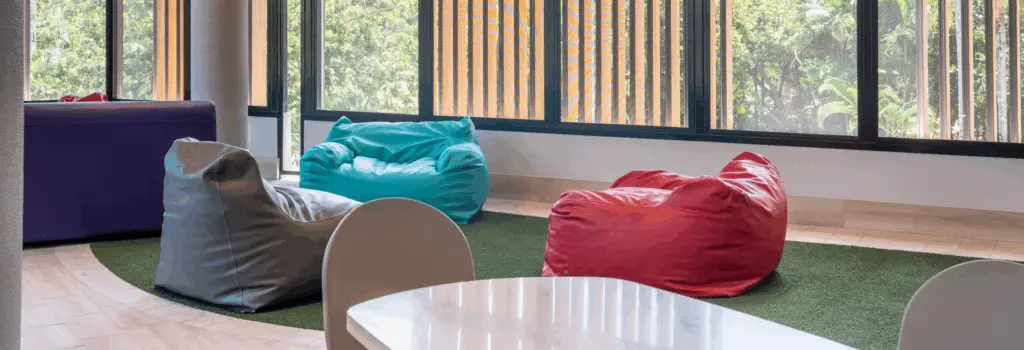
Rather than limiting connections with nature to gardens and outdoor courtyards, many facilities are integrating natural materials, organic forms, calming colour palettes and abundant daylight throughout the spaces people move through every day.
This approach creates a more connected and human-centred experience, where movement through a facility feels intuitive, calming and restorative rather than purely functional. It reflects a growing understanding that every interaction with the built environment contributes to a person’s overall experience of care.
Designing for People, Not Just Processes
The most effective mental health environments balance safety, durability and operational requirements with warmth, dignity and comfort.
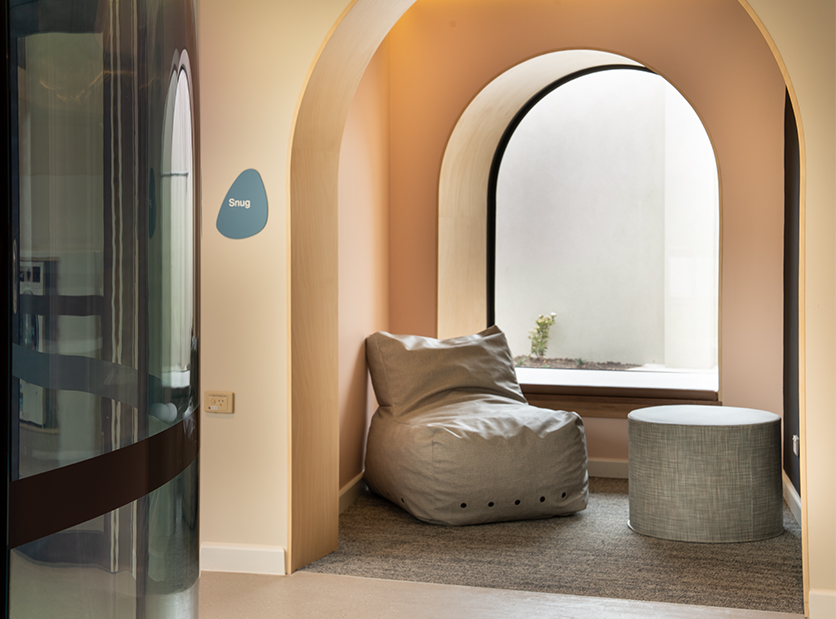
Biophilic transition zones help soften the institutional qualities traditionally associated with healthcare settings, creating spaces that feel more welcoming and reassuring. Rather than simply moving people from one destination to another, they provide opportunities to pause, regain composure and comfortably orient themselves within the environment.
These seemingly small design decisions can have a meaningful impact on patients, visitors and staff alike, supporting a more positive experience throughout the care journey.
Furniture That Supports Wellbeing
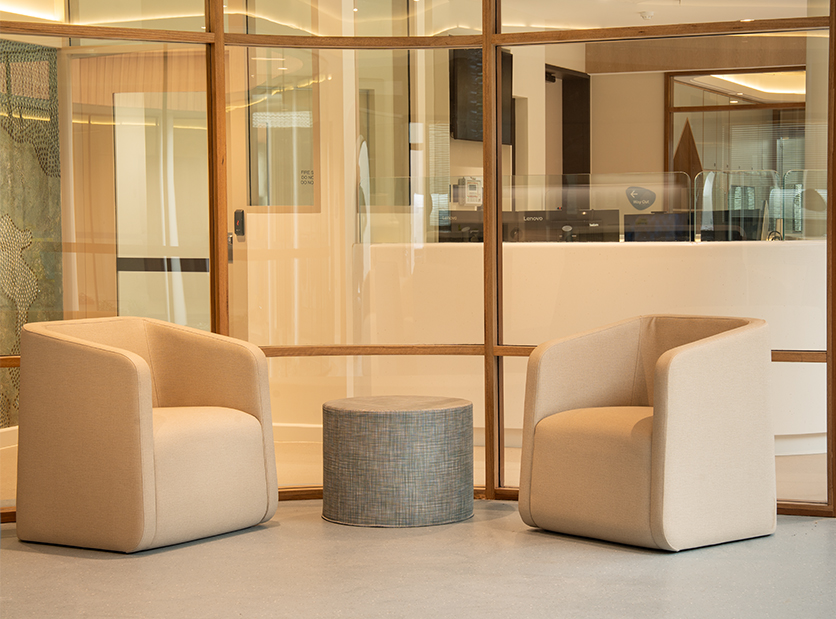
Furniture is often one of the first ways people experience a space. Beyond providing function, it shapes how welcoming, comfortable and intuitive an environment feels.
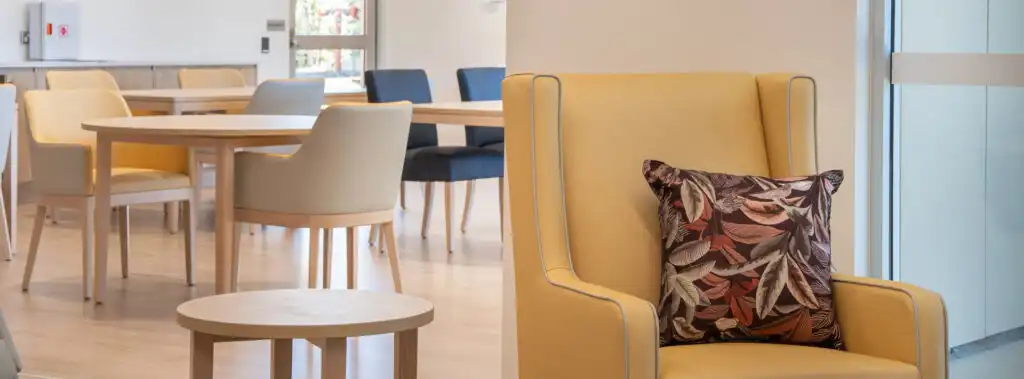
Within transition zones, thoughtfully selected furniture can introduce warmth, encourage moments of respite and support a greater sense of calm while continuing to meet the practical demands of mental health environments. Natural finishes, softer forms and carefully considered layouts help create spaces that feel approachable, familiar and fit for purpose.
When integrated into a broader biophilic design approach, furniture becomes more than a functional requirement. It becomes part of an environment designed to support wellbeing, connection and everyday comfort.
Designing the Future of Mental Health Environments
Mental health design is shifting beyond the treatment room to consider the entire care journey. Every space people move through has the potential to influence how safe, supported and connected they feel.
Biophilic transition zones reflect this evolution, recognising that thoughtful design can contribute to comfort, dignity and emotional wellbeing at every stage of care. By combining therapeutic design principles with carefully considered furniture, providers can create environments that are as practical as they are restorative.
Because in mental health care, the spaces between can be just as important as the destination itself.

Get in touch today