 Save and group your favourite furniture
  Create separate moodboards for each project
  Export your moodboards as PDFs


Safer Dining in Mental Health Settings Starts with Furniture Design
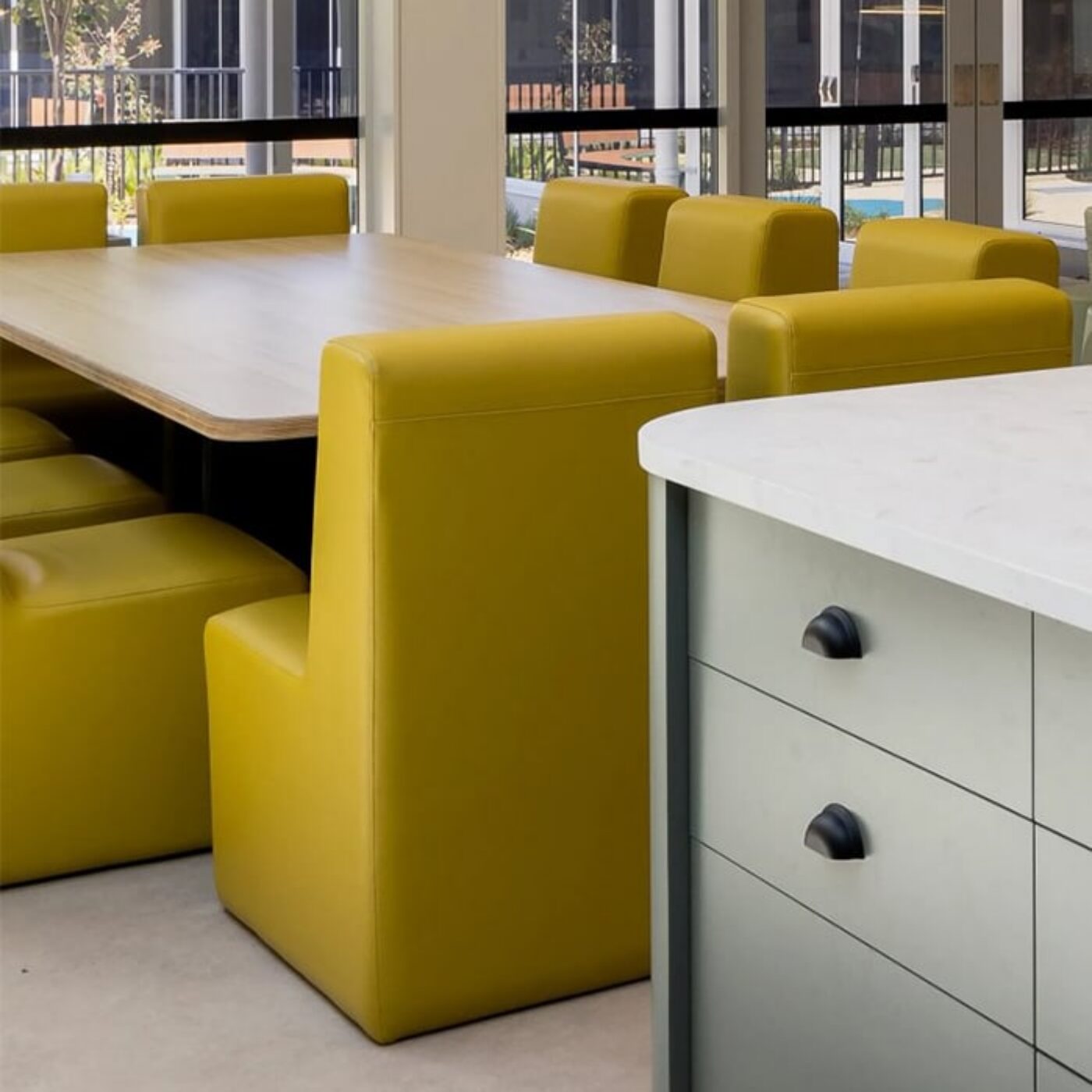
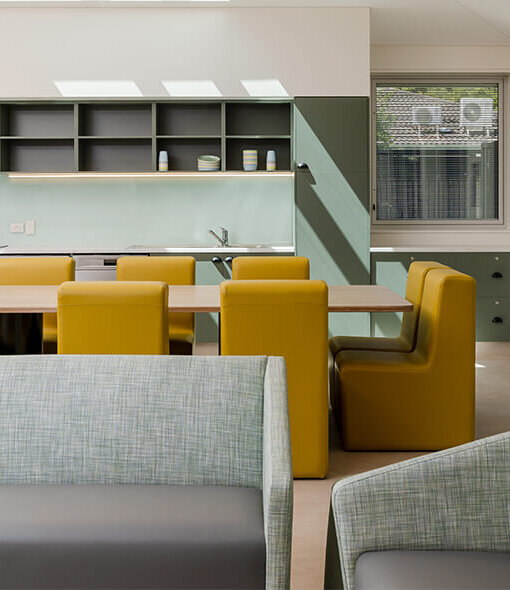
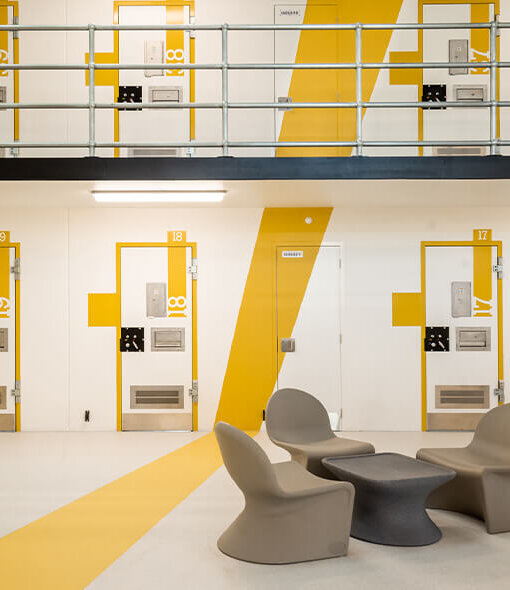
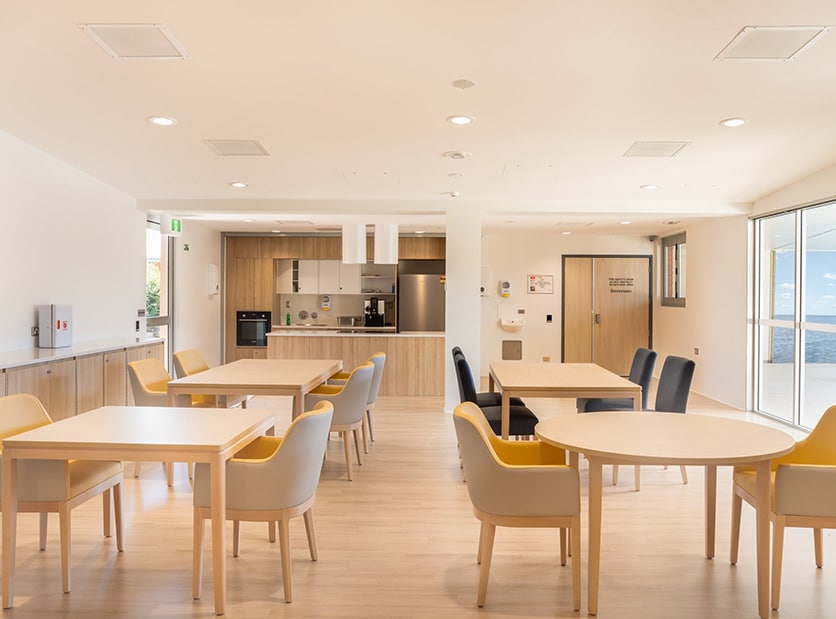
Designing safer dining environments in mental health settings begins with furniture. These spaces support routine, connection, and moments of calm, while also responding to complex safety requirements in ways that feel considered rather than restrictive.
The challenge is not only to reduce risk, but to do so while preserving dignity, comfort, and familiarity. Increasingly, mental health environments are moving away from overtly institutional design approaches in favour of spaces that feel more intuitive, welcoming, and human-centred. Furniture plays a significant role in that shift.
When well resolved, furniture supports both patients and staff without drawing attention to itself. It guides movement, influences behaviour, and shapes how comfortably everyday interactions unfold, making it central to creating dining environments that feel safe, supportive, and functional over time.
Supporting Routine and Continuity
Dining spaces help establish rhythm throughout the day. Mealtimes introduce structure and predictability, offering consistency within environments that can otherwise feel uncertain or unsettled.
Furniture contributes to this sense of stability in practical ways. Consistent seating arrangements, clearly defined dining zones, and intuitive layouts help reinforce patterns of use, allowing spaces to function more naturally and with less disruption.
When these environments support routine effectively, they can help reduce friction in daily activity while creating a more settled experience for both patients and staff.
Resolving Risk Through Construction
Many of the most important safety considerations in mental health furniture are intentionally unobtrusive.
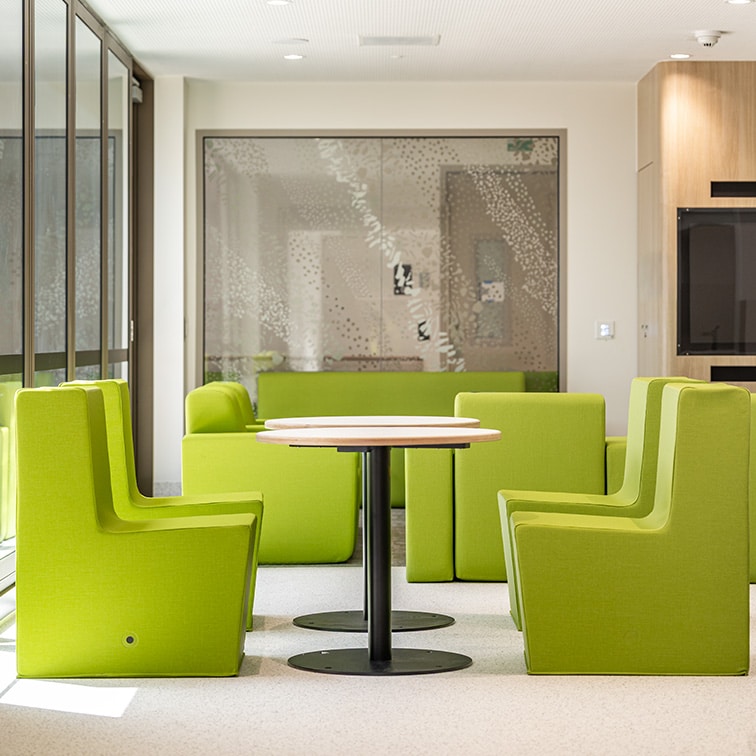
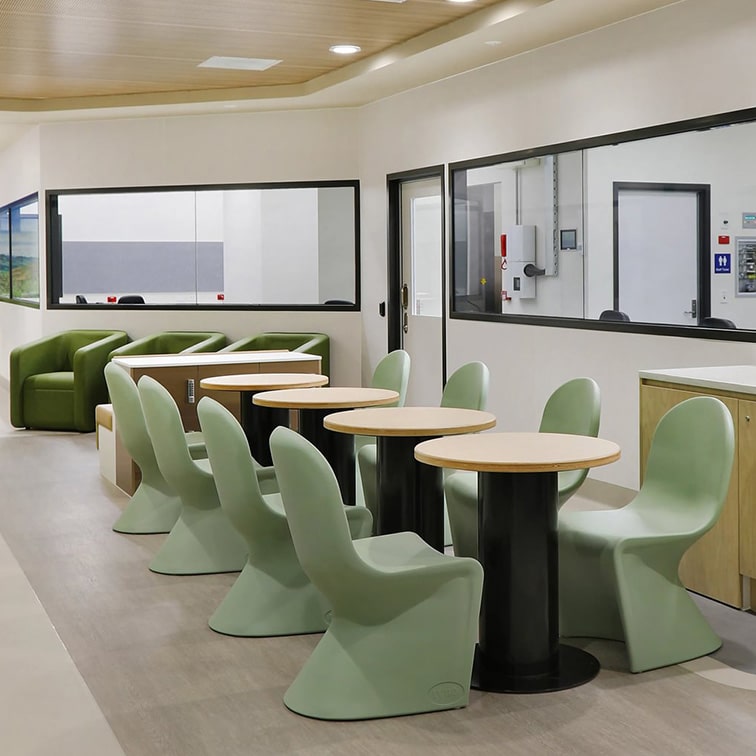
Features such as concealed fixings, continuous surfaces, tamper-resistant construction, and simplified forms help reduce opportunities for misuse while maintaining visual clarity and comfort. These details are rarely the focus of attention, yet they are fundamental to how safely a space performs over time.
Importantly, the most effective solutions integrate safety into the furniture itself rather than applying it as a visible afterthought. This allows environments to feel less institutional while still meeting the practical demands of care settings.
Consistency Through Material and Maintenance
Dining environments experience constant daily use, making durability, hygiene, and ease of maintenance essential considerations.
Materials that withstand frequent cleaning and resist visible wear help maintain consistency in both appearance and performance. Over time, this consistency contributes to environments that feel orderly, dependable, and well maintained without requiring continual intervention.
In mental health settings, these qualities matter beyond practicality alone. Spaces that remain visually stable and familiar can help support comfort, reassurance, and continuity in everyday experience.

Balancing Robustness with Familiarity
Furniture within mental health environments must perform reliably, but it must also feel approachable in the way it is experienced.
Pieces that balance strength with familiar, well-resolved forms are more likely to encourage engagement and comfort. When robustness is achieved without visual heaviness or rigidity, spaces feel calmer, more natural, and less overtly restrictive.
This balance is increasingly important as healthcare and mental health environments adopt more residential and hospitality-informed design principles, recognising the impact surroundings can have on wellbeing, behaviour, and overall experience.
Responding to Each Environment
No two mental health environments operate in the same way. Requirements can vary significantly depending on models of care, patient needs, operational considerations, and how spaces are used throughout the day.
Furniture solutions should respond with the same level of nuance. In some settings, fixed or weighted elements may be necessary to support safety outcomes. In others, greater flexibility may better support evolving patterns of use and interaction.
A considered, tailored approach ensures furniture aligns with its environment, supporting safety and functionality in ways that feel cohesive rather than imposed.
Where Safety Supports Everyday Life
Dining spaces do far more than accommodate meals. They shape how people gather, connect, and experience moments of normality throughout the day.
The design of these environments influences how comfortably shared experiences unfold, how naturally routines are maintained, and how supported people feel within the space around them.
When safety is thoughtfully integrated through form, materiality, and construction, it becomes a quiet presence rather than a visible constraint.
The most effective dining environments resolve safety, durability, and comfort so seamlessly that attention shifts away from the furniture itself and back to what matters most, creating spaces that feel calm, familiar, and genuinely supportive of everyday life.



Get in touch today