 Save and group your favourite furniture
  Create separate moodboards for each project
  Export your moodboards as PDFs

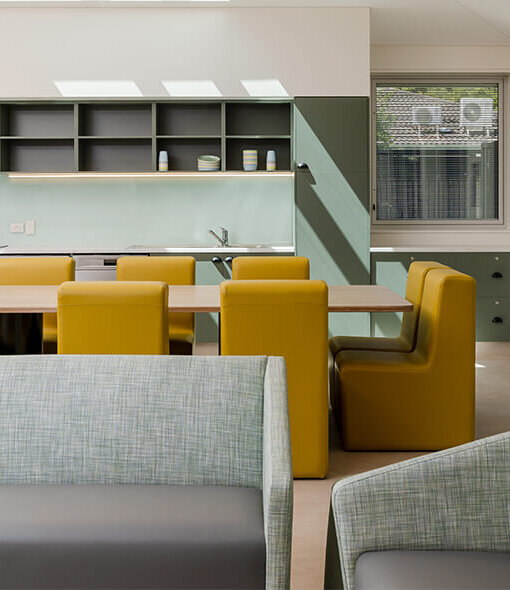

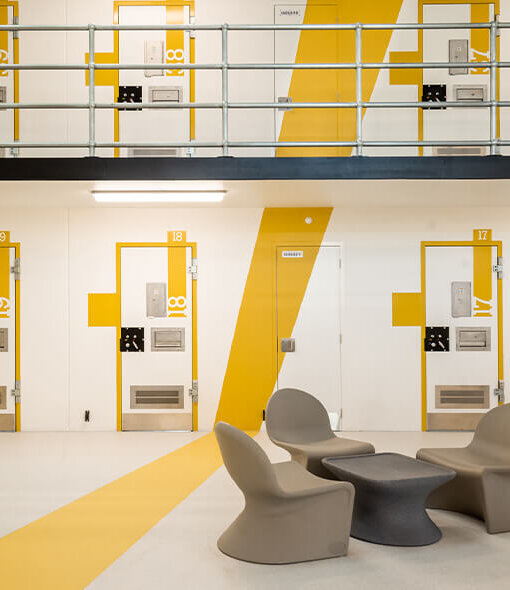
From Risk Management to Therapeutic Support
Mental health environments are shaped during moments of vulnerability, distress, and recovery. In these moments, the environment is never neutral. The way a space feels, sounds, and functions can either heighten anxiety or help someone begin to settle.
Few spaces carry this responsibility more than seclusion rooms. Designed for episodes of acute escalation, they must balance strict safety requirements with something less measurable but equally important: a sense of calm, dignity, and reassurance.
Across mental health design, there is a clear shift underway. The focus is no longer solely on containment and risk reduction. Today, environments are expected to actively support emotional regulation, recovery, and a return to control. This change recognises that spaces themselves contribute to care, not just to safety.
Furniture plays a quiet but critical role in enabling this shift.
Understanding Seclusion and the Role of Design
Seclusion provides a temporary pause when overwhelming stimuli or heightened distress require a calm, protected space. Used appropriately, it allows individuals time to breathe, reset, and gradually regain control.
Historically, many seclusion rooms felt stark and institutional. Hard surfaces, minimal furnishings, and clinical finishes prioritised durability but often created environments that felt cold, isolating, or punitive.
As mental health care has evolved, so has the understanding of how people instinctively respond to their surroundings. Environments that feel calm, predictable, and secure can help slow breathing, reduce tension, and support de-escalation more effectively than spaces that feel confronting or unfamiliar.
In this context, design moves beyond passive support. It becomes part of the therapeutic process, shaping how individuals experience safety, control, and recovery.
Safety That Feels Supportive, Not Restrictive
Safety remains fundamental within seclusion environments, but the way it is delivered can influence how the space is perceived.
Furniture must withstand intensive use while reducing risk for both patients and staff. At the same time, it should avoid creating a harsh or overly controlled atmosphere.
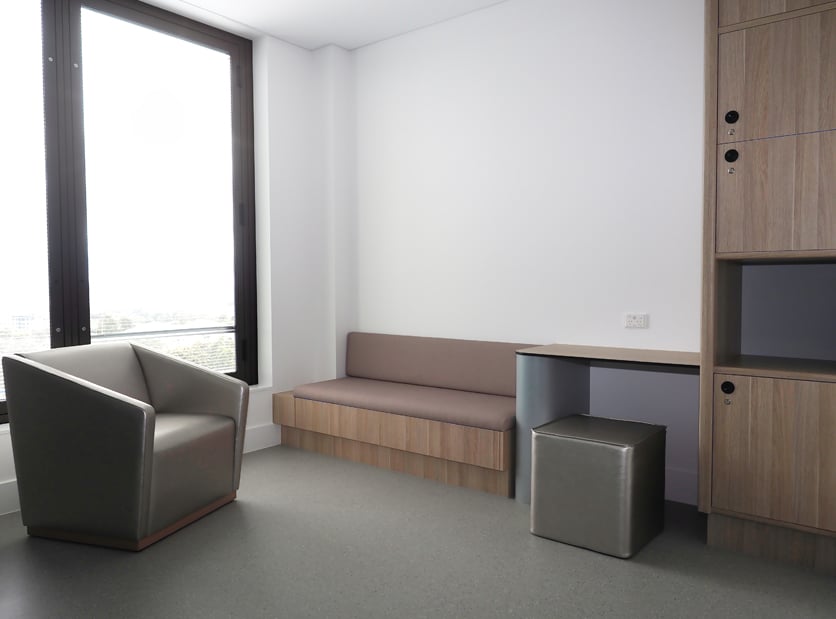
Thoughtful design helps achieve this balance. Anti-ligature forms remove potential attachment points through rounded profiles, sealed seams, and concealed fixings, creating smooth and continuous surfaces that minimise risk quietly. Single-piece lounges or beds remove loose components, while weighted or fixed furniture reduces the risk of lifting or barricading.
Material selection is equally important. Fire-rated foam, antimicrobial finishes, and moisture-resistant upholstery allow furniture to withstand rigorous cleaning and frequent use while maintaining a softer, more residential character.
When safety is integrated carefully into design, it reassures without dominating the space.
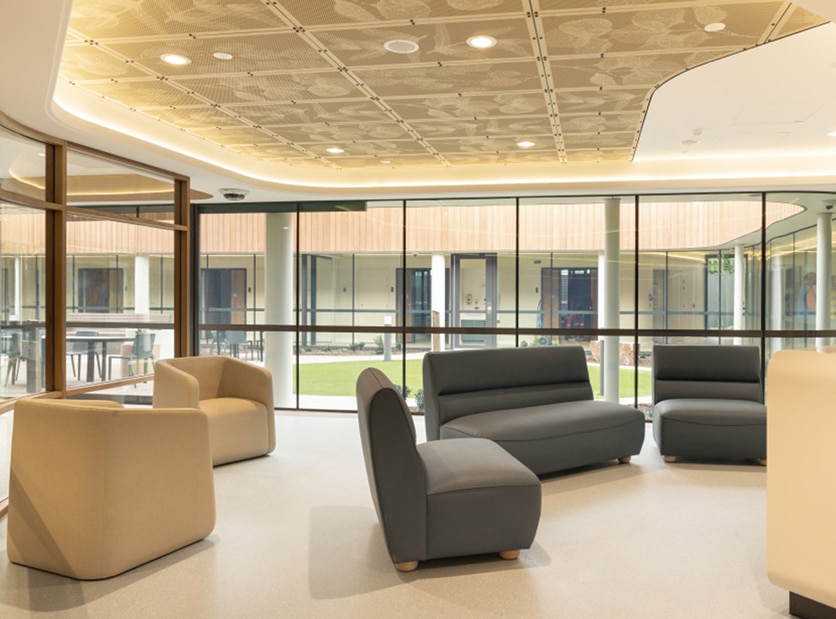
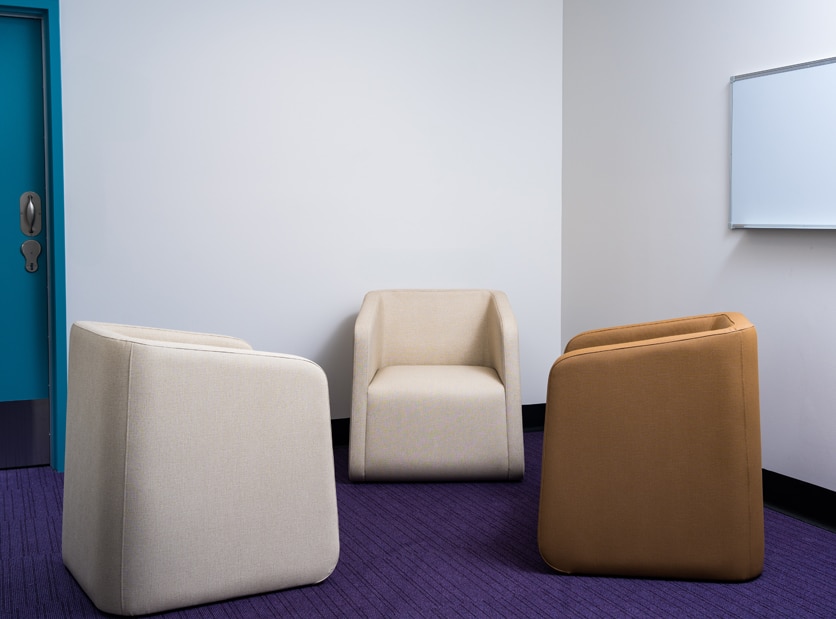
Humanising Seclusion Through Comfort and Care
Comfort plays a critical role in emotional regulation. Well-designed seclusion environments provide both physical stability and visual calm, helping the body settle during moments of heightened stress.
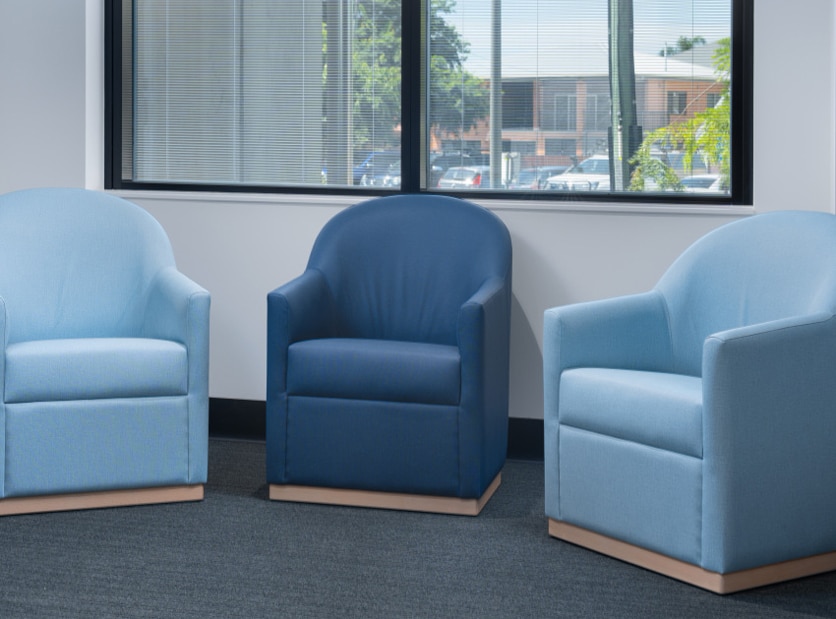
Supportive foam offers firmness without rigidity, allowing individuals to feel grounded and secure. Muted colours and soft textures help minimise overstimulation, contributing to an atmosphere that feels quieter and more predictable.
These elements work alongside safety requirements, allowing durability and protection to coexist with warmth and dignity.
Even small design decisions can change how a space is experienced. When environments feel respectful and supportive, individuals are more likely to engage with de-escalation, making it easier for staff to guide recovery safely.
In this way, design becomes a quiet partner in care.
Designing for a Changing Model of Mental Health Care
Mental health care continues to move toward more person-centred and trauma-informed approaches. Environments are increasingly expected to support flexibility, therapeutic engagement, and different stages of recovery.
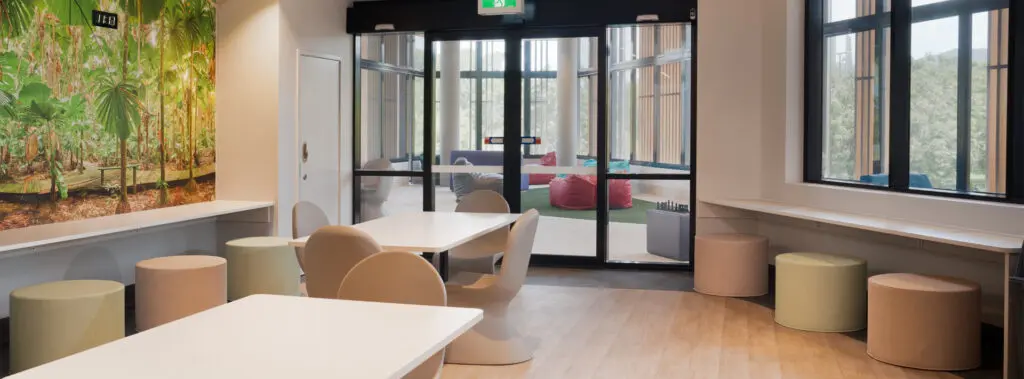
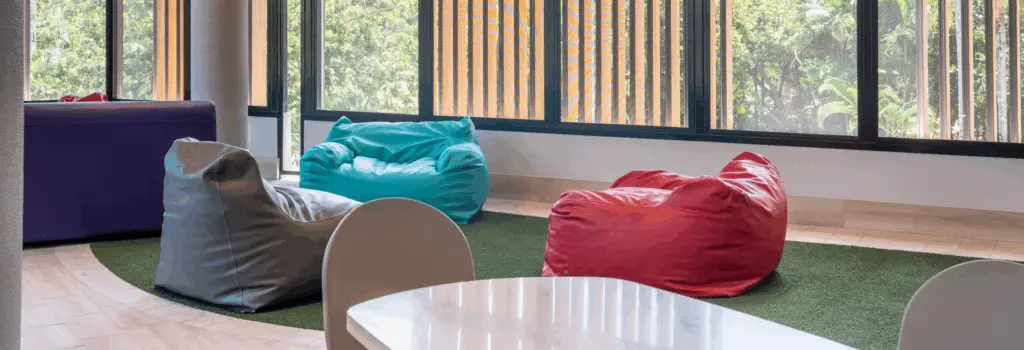
Furniture plays an important role in enabling this adaptability. In some settings, modular or adaptable pieces can support transitions between quiet sensory environments and supervised interactions, allowing spaces to evolve alongside clinical needs.
This flexibility reflects a broader understanding that environments should not simply manage behaviour but help create conditions where recovery is possible.
Supporting Dignity Through Thoughtful Design
Seclusion will always require careful management and clinical oversight. However, the spaces in which it occurs can still reflect compassion, respect, and thoughtful care.
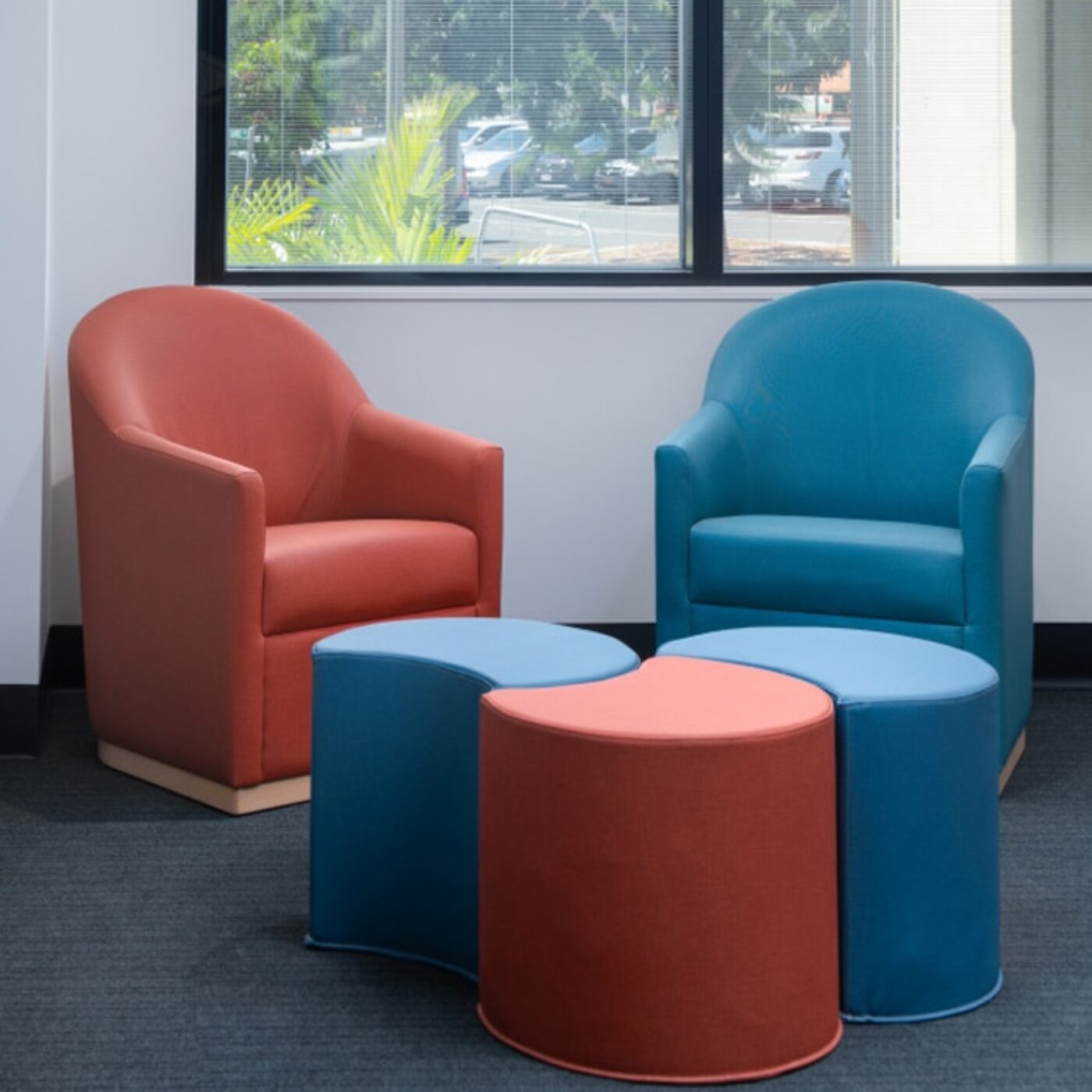
When furniture is designed specifically for mental health environments, it can meet strict safety requirements while contributing to calmer, more supportive spaces. Rounded forms, stable structures, and durable materials work quietly in the background, allowing safety to coexist with dignity.
In environments where people may feel most vulnerable, these design decisions matter.
Because when spaces are designed with care, they do more than contain risk. They support recovery.
Creating Therapeutic Mental Health Spaces
At Crown Furniture, mental health environments are approached with a deep understanding of both risk and humanity. Purpose-designed furniture supports safer settings while helping create calm, familiar spaces for patients and staff alike.
Explore how thoughtful furniture design can quietly support recovery, dignity, and wellbeing in modern mental health environments.

Get in touch today