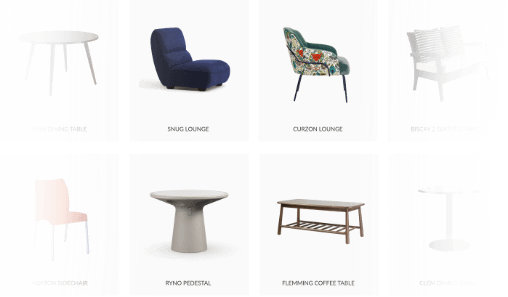
 Save and group your favourite furniture
  Create separate moodboards for each project
  Export your moodboards as PDFs



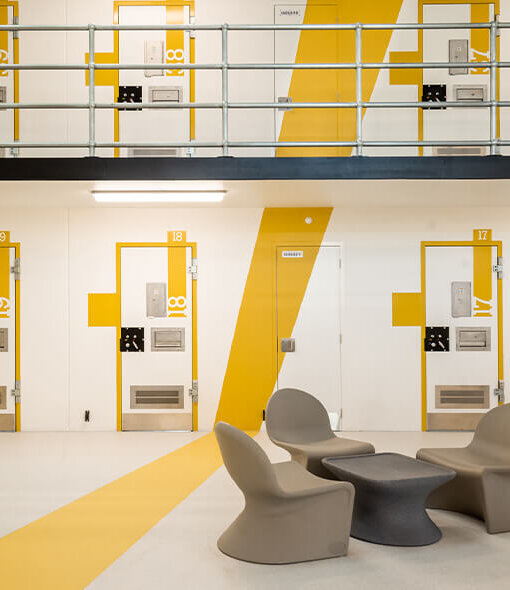
Designing for the Resident Who Hasn’t Arrived Yet
In residential aged care, change rarely happens all at once. It unfolds gradually through small shifts in strength, confidence, and routine. Yet the environments that support residents are often designed for a single moment in time: the day they arrive.
Too often, furniture is selected for immediate needs, without enough consideration for what comes next. Over time, this can lead to disruption for residents, for staff, and for the continuity of care itself.
Furniture is one of the most constant elements within an aged care environment. It shapes daily routines, supports moments of independence, and provides a quiet sense of familiarity. When thoughtfully designed, it does more than meet present needs. It anticipates change.
A future-ready approach begins by understanding residents not as they are on day one, but across the full arc of ageing.
Designing Beyond the Point of Entry
Many residents enter care with a level of independence that may shift over time sometimes gradually, sometimes unexpectedly. Furniture designed for a single stage can quickly become limiting, prompting replacement or adjustment that feels premature and, at times, unsettling.
Designing beyond the point of entry means considering how furniture will perform over years, not months. Seating that continues to provide support as mobility changes. Proportions and stability that remain appropriate as assistance increases. Materials and construction that endure without compromising comfort or familiarity.
When furniture evolves alongside residents, transitions are less disruptive. Independence is supported for longer, and environments remain stable even as needs change.
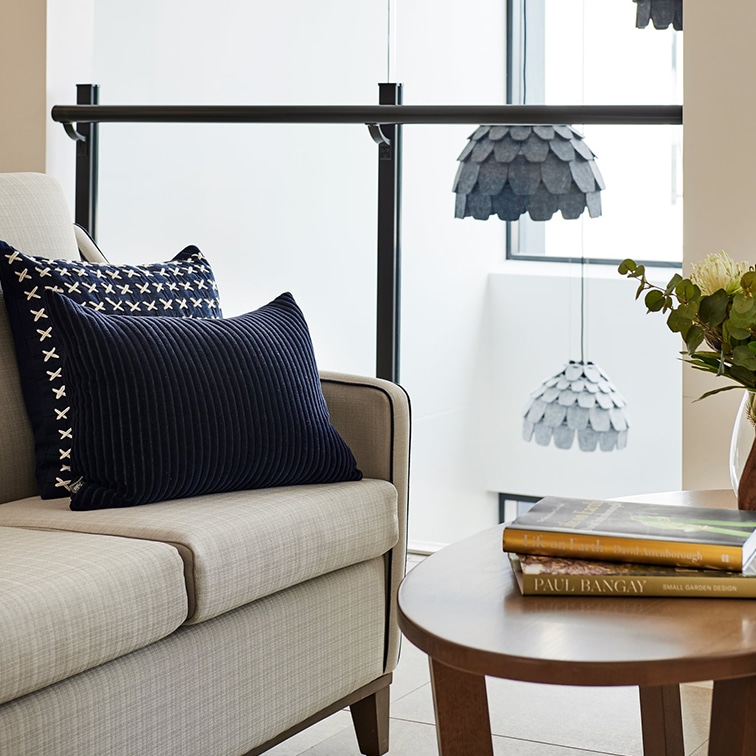
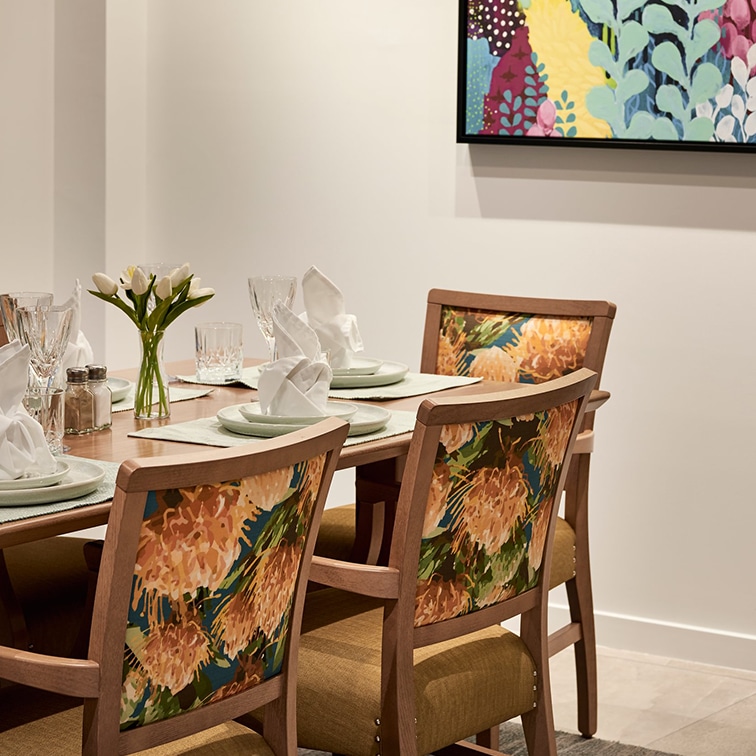
Continuity as a Quiet Form of Care
Familiarity plays a critical role in how residents experience their environment. A chair that feels known. A dining setting that remains consistent. A bedside that stays within easy reach. These are small but significant anchors in daily life.
Frequent furniture replacement, or pieces that no longer suit evolving needs, can erode this sense of continuity. The impact is not only practical, it is deeply personal.
Furniture designed with longevity in mind helps preserve this stability. By continuing to support residents over time, it reinforces routine, reduces uncertainty, and contributes to a sense of confidence particularly as cognitive or physical changes emerge.
Supporting Independence Without Drawing Attention
The most effective support is often the least visible.
A seat that makes standing easier without instruction.
A table that offers reassurance when balance shifts.
These moments shape how residents move through their day. When furniture performs well, individuals feel capable rather than assisted, supported rather than managed.
This approach requires restraint. Good design does not call attention to itself. It works quietly in the background, allowing residents to remain at the centre of their own experience.
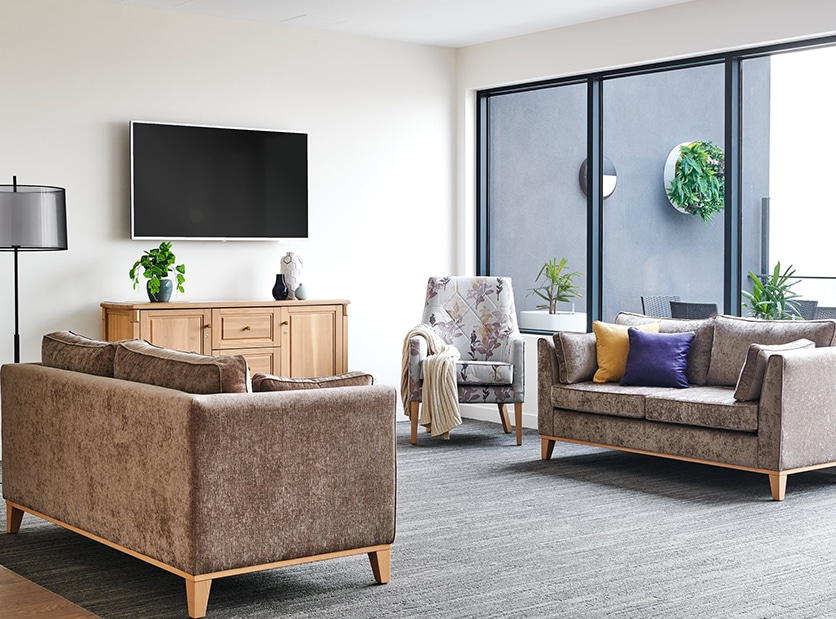
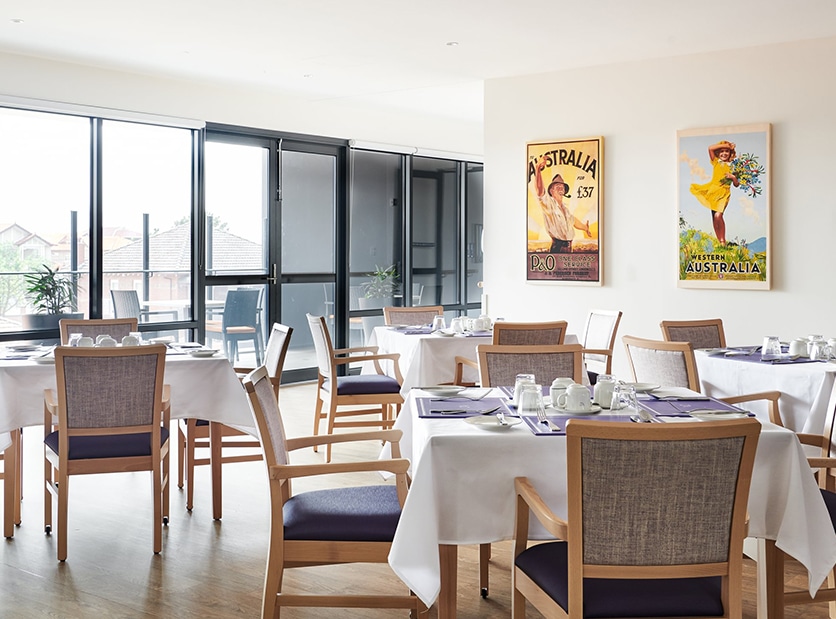
Designing for What Lies Ahead
Residential aged care furniture must balance performance with warmth. It needs to withstand daily use while continuing to feel familiar, comfortable, and human.
Designing for longevity is not simply about durability. It is about recognising that residents’ needs will change and ensuring the environment can adapt without sacrificing continuity or a sense of home.
In this context, furniture is not a static decision. It is an ongoing part of care.
Designing for what lies ahead is not an added benefit. It is a responsibility.


Get in touch today