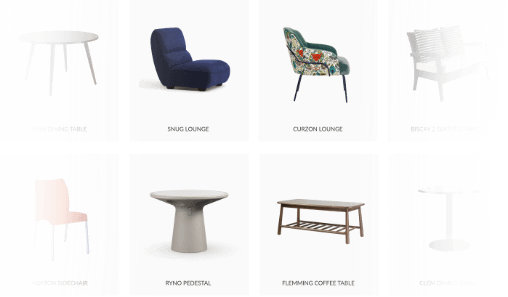
 Save and group your favourite furniture
  Create separate moodboards for each project
  Export your moodboards as PDFs



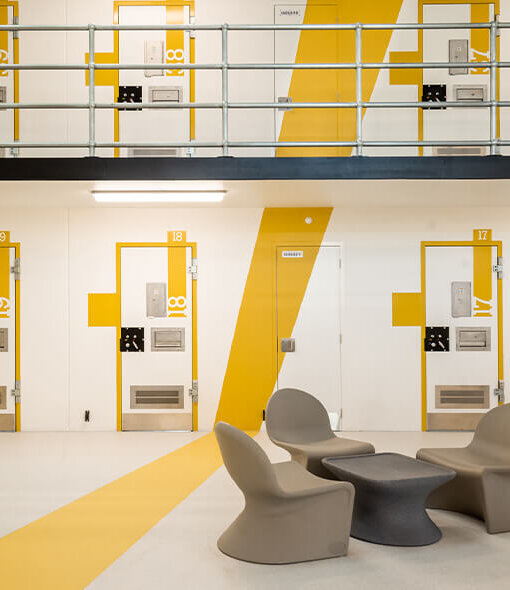
Across mental health environments, much of the focus rightly sits on safety, durability, and compliance. But there is another layer that shapes how a space is experienced day to day, predictability.
For individuals navigating stress, uncertainty, or emotional dysregulation, consistency is more than a preference. It becomes a quiet form of support, something that helps a space feel easier to understand, navigate, and trust.
It is often the physical environment that carries this consistency. Within that environment, furniture plays a more influential role than it is typically given credit for, helping establish a steady and reliable backdrop for everyday care.
Environments That Make Sense at a Glance
The moment someone enters a space, they begin interpreting it, often before they are consciously aware of doing so.
Where can I sit?
Where am I meant to go?
What feels safe here?
In mental health environments, these questions carry additional weight. When spaces require too much interpretation, they can increase uncertainty at moments when cognitive and emotional capacity may already be under pressure.
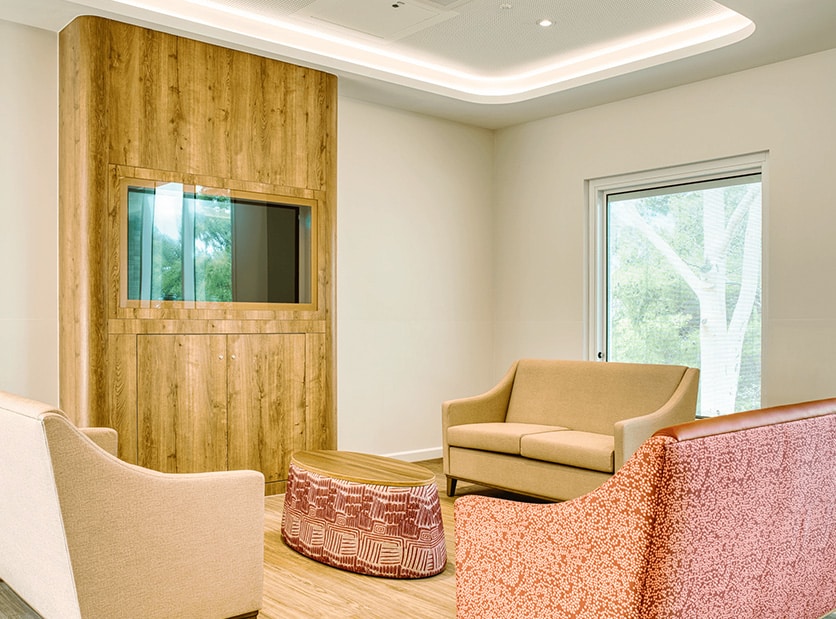
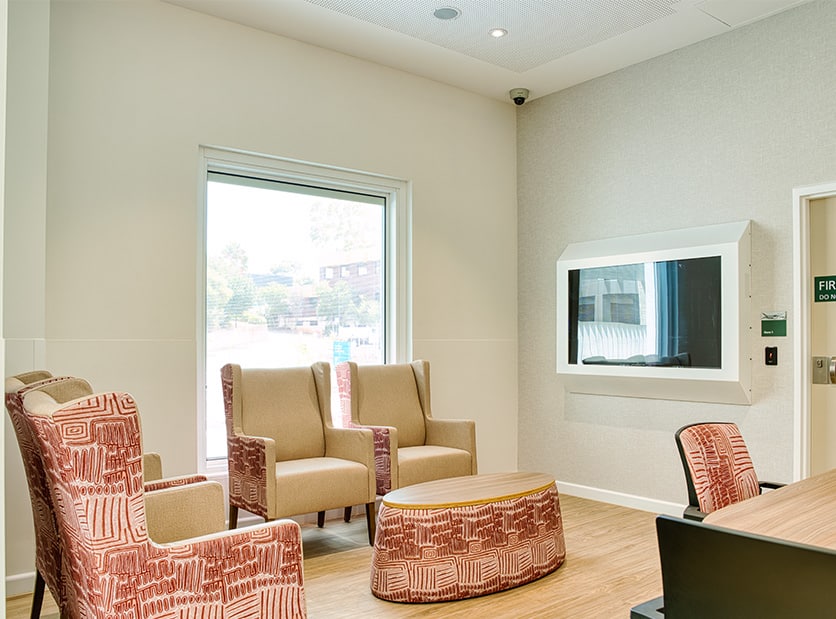
Well considered furniture helps reduce that demand. Through familiar forms, intuitive placement, and clear spatial logic, it quietly communicates how a space is intended to be used.
When environments feel immediately legible, people spend less energy trying to understand the space around them and more energy engaging within it. That sense of clarity can significantly influence how settled, supported, and in control a person feels.
Consistency as a Form of Safety
Safety is not always experienced through visible measures. Often, it is built through repetition, familiarity, and environments that behave in expected ways over time.
Furniture contributes significantly to this sense of dependability. Stable pieces, consistent layouts, and materials that maintain their appearance and function all help reinforce a feeling of steadiness within the environment.
Over time, these repeated cues become part of how people learn to trust a space.
In mental health settings, that trust matters deeply. When environments feel predictable, people are able to orient themselves more easily, anticipate what comes next, and move through spaces with less vigilance and uncertainty.
The environment itself begins to feel more reliable.
Supporting Routine Without Over Controlling Behaviour
Routine can play an important role in recovery, but the most supportive environments rarely force it. Instead, they create the conditions for routine to emerge more naturally.
Furniture helps shape these rhythms quietly. Shared settings encourage connection. Smaller retreat spaces support privacy and regulation. Consistent layouts help reinforce familiarity from one day to the next.
Rather than directing behaviour explicitly, the environment reduces friction around everyday actions. People begin to understand instinctively where to pause, where to gather, and where quieter moments are supported.
This subtle guidance often feels more respectful, more calming, and more sustainable over time.
Reducing Friction for Staff and Patients
Predictability benefits everyone who uses a mental health environment, not only patients.
When furniture performs consistently, spaces become easier to manage and less demanding to maintain. Staff spend less time adjusting layouts, responding to avoidable disruptions, or managing environmental inconsistencies throughout the day.
For patients, this continuity reduces interruptions to routine and helps preserve a sense of steadiness within the environment.
These effects may appear operational on the surface, but they shape the emotional tone of a space in meaningful ways. Environments that function smoothly allow attention to remain focused on care, interaction, and recovery rather than constant environmental management.
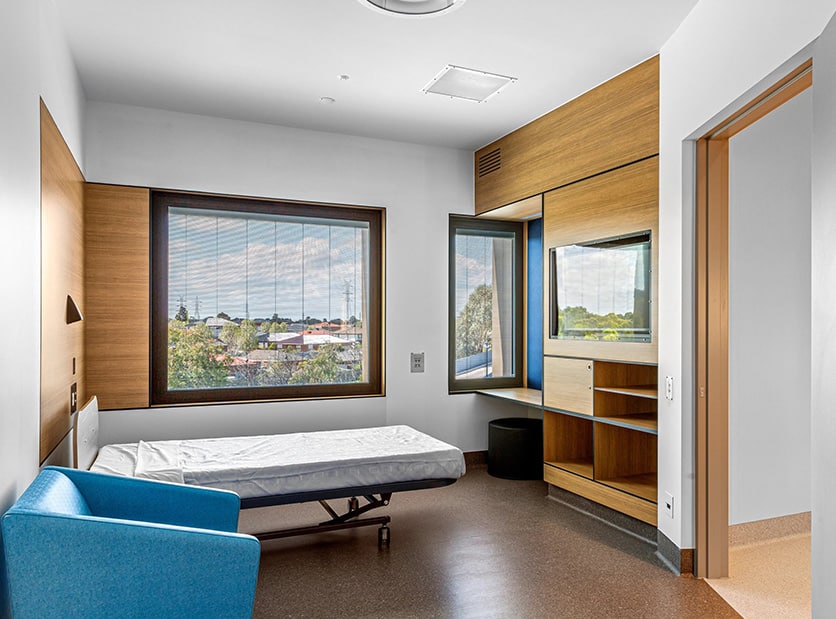
Sustainability is Sustained Over Time
Predictability is not created through a single design gesture. It is reinforced gradually through consistency over months and years of everyday use.
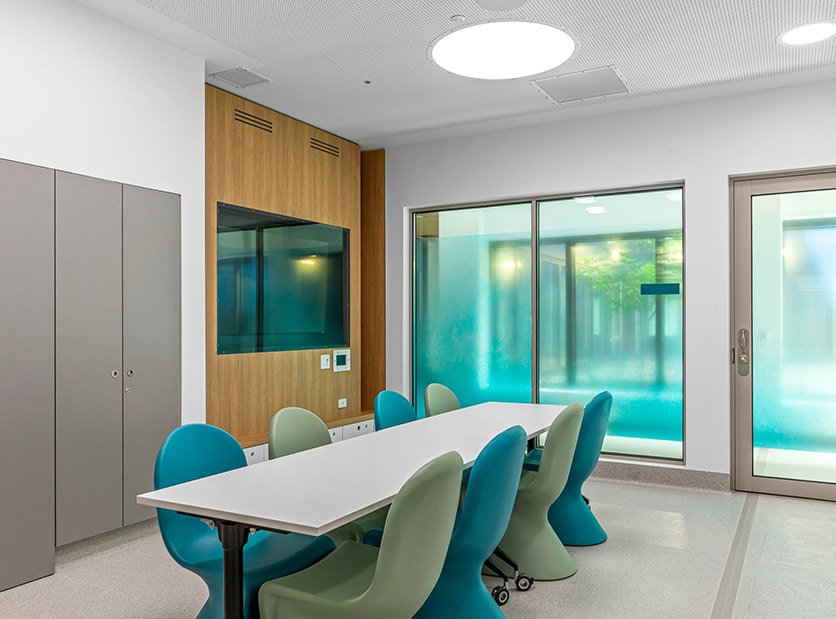
Furniture plays an important role in maintaining this continuity. Pieces that retain their structure, comfort, and visual integrity help spaces feel settled and dependable over time.
In contrast, environments that experience constant small changes, worn finishes, damaged surfaces, unstable furniture, repeated replacements can begin to feel unsettled, even when those disruptions appear minor individually.
People notice these shifts instinctively.
Well performing furniture helps prevent this gradual erosion of familiarity. It supports environments that continue to feel maintained, reliable, and emotionally steady long after initial installation.
Often, the strongest sense of stability comes not from what stands out, but from what remains consistent.
A More Grounded Approach to Mental Health Design


Get in touch today