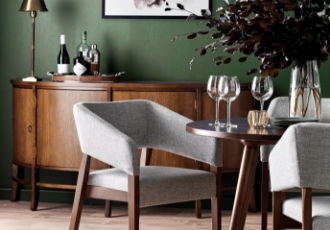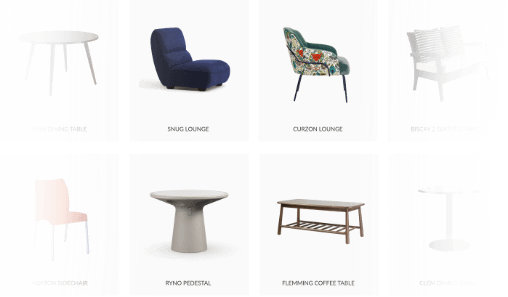
 Save and group your favourite furniture
  Create separate moodboards for each project
  Export your moodboards as PDFs



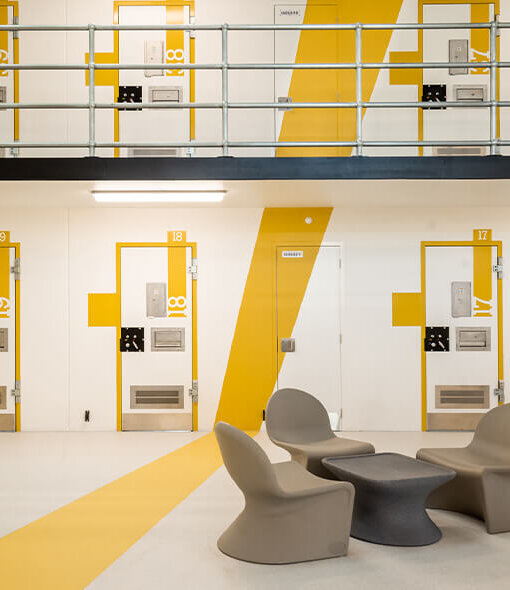
Designing for What Happens Before Intervention
In mental health environments, the earliest moments of distress are often the most critical. It is within these subtle shifts, rising agitation, heightened sensitivity, and withdrawal, that the trajectory of a situation is shaped.
De‑escalation begins in these moments. It is the practice of easing tension before it intensifies, helping to diffuse a situation before it reaches a point of crisis. Rather than focusing solely on managing outward behaviour, it centres on understanding what lies beneath it, whether that is fear, discomfort, confusion, or pain.
Clinical response remains essential. However, long before intervention is required, the environment is already influencing what happens next.
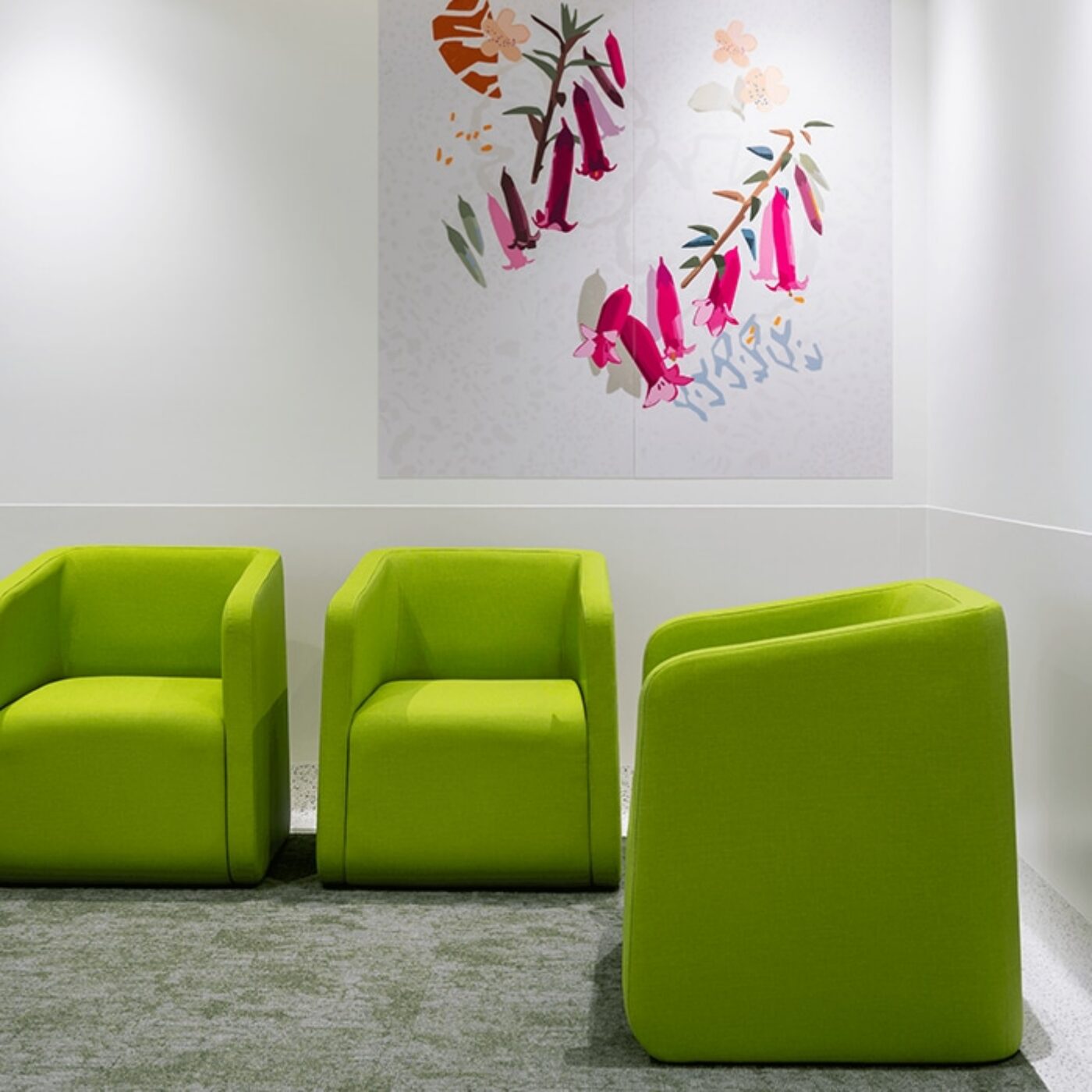
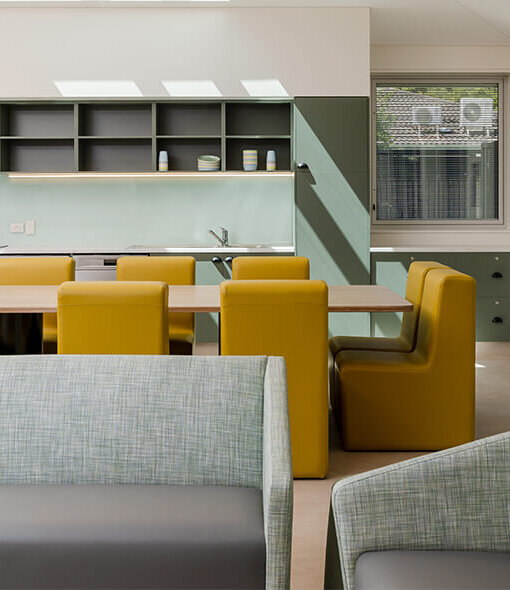
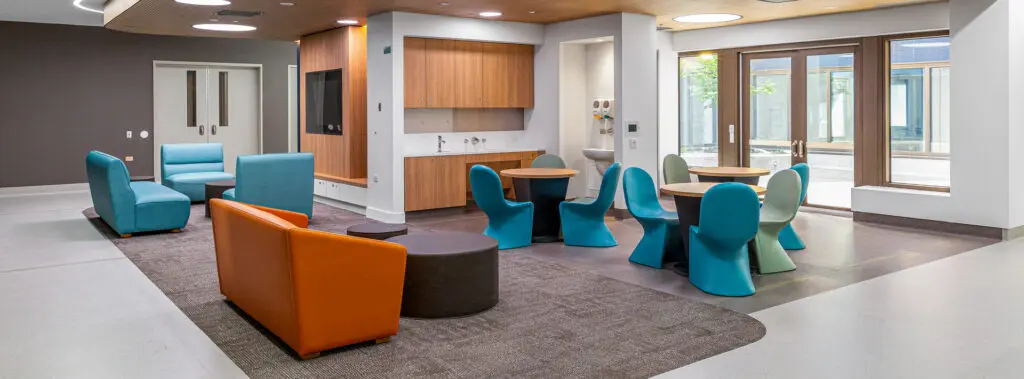
Furniture plays a quiet yet decisive role in this dynamic. It shapes how a space is perceived, how it is experienced, and how individuals move within it. When carefully considered, furniture does more than support function. It helps create the conditions where de‑escalation can happen naturally, preserving dignity and reducing the likelihood of harm.
This is not about design replacing care. It is about design working in thoughtful alignment with it.
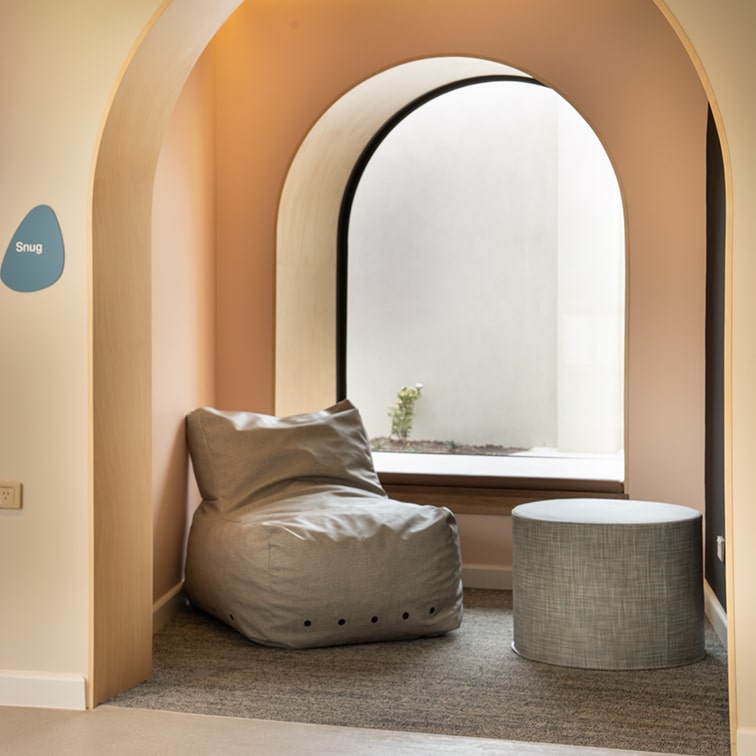

Stability, Choice, and Clarity in the Environment
During moments of escalation, stability within the environment is critical. Furniture that feels unsteady or unpredictable can heighten unease, while pieces that are grounded and dependable reinforce reassurance and a sense of control.
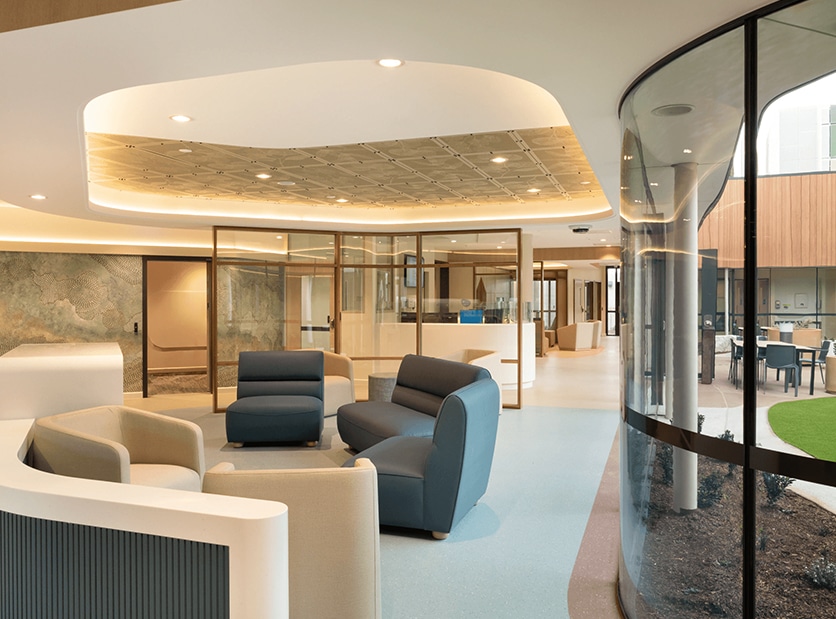
The broader environment also plays a preventative role. Calm, legible spaces support measured responses, whereas crowded or overstimulating settings can amplify tension. Furniture quietly shapes this experience, reinforcing comfort, clarity, and safety in everyday use.
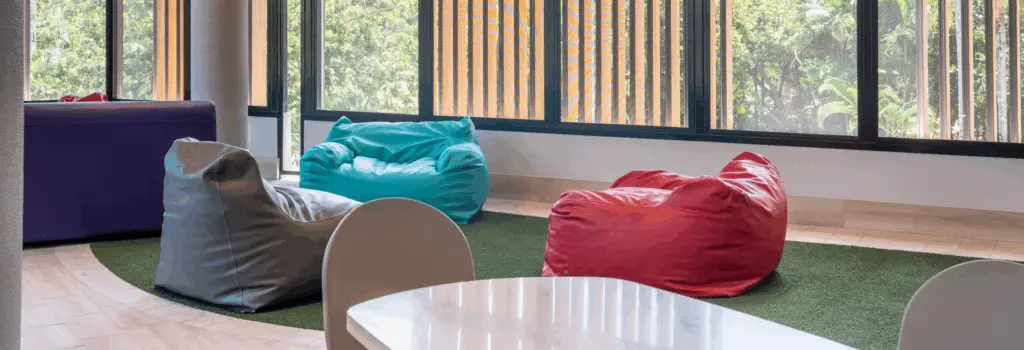
Because escalation often stems from a loss of control, design can help by restoring agency. Through choice, where to sit, how to engage, or when to step away, furniture supports self‑regulation. Clear layouts, intuitive pathways, and defined zones further reduce friction, making movement and interaction feel natural for both patients and staff.
In this way, furniture contributes to de‑escalation not as a reactive measure, but as an ongoing support system. It helps individuals feel secure enough to regulate themselves before distress intensifies.
Together, stability, choice, and clarity allow design to support de‑escalation before it is needed.
Moving from Response to Prevention
De‑escalation is often associated with responding to crisis. Yet in many care environments, such as hospitals, emergency settings, and caregiving spaces, it is already recognised as a vital approach for maintaining safety, protecting dignity, and preventing situations from escalating into harm.
The most forward thinking mental health environments are now extending this thinking further, recognising that de‑escalation can be anticipated and supported through design.
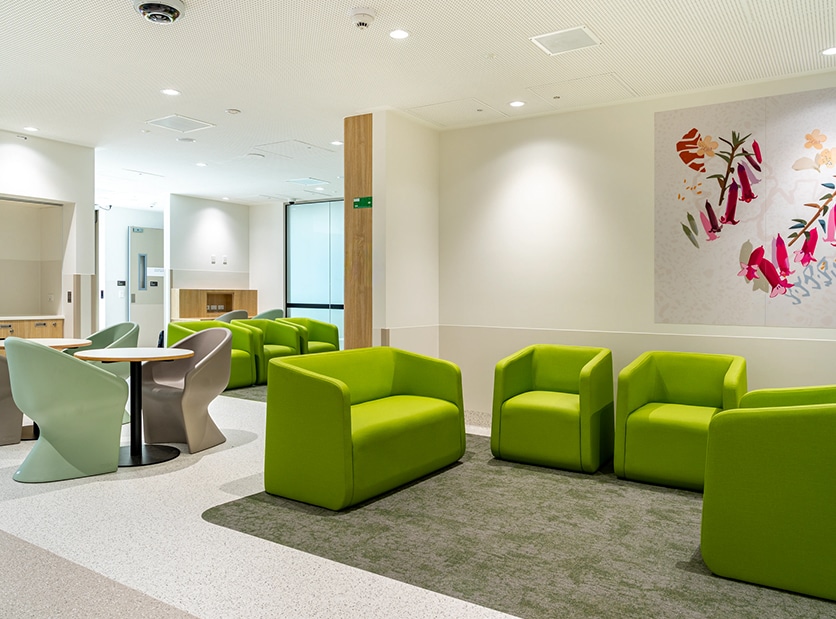
Furniture plays a subtle yet significant role in this shift. Through its presence, its placement, and the way it supports everyday behaviours, it contributes to spaces that feel composed, intuitive, and reassuring. These qualities make it easier to identify and respond to early signs of distress, reducing the need for more serious intervention later.
These are not overt interventions. They are carefully resolved details that, over time, foster a sustained sense of ease and stability.
Because with the right surroundings, every moment of distress holds the possibility of easing, not escalating.
Get in touch today