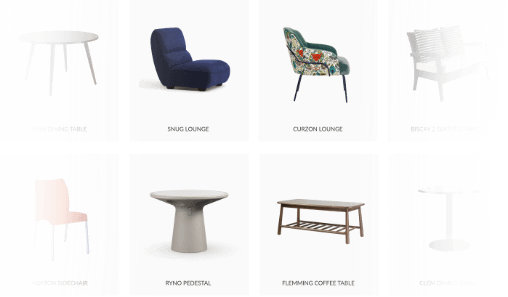
 Save and group your favourite furniture
  Create separate moodboards for each project
  Export your moodboards as PDFs

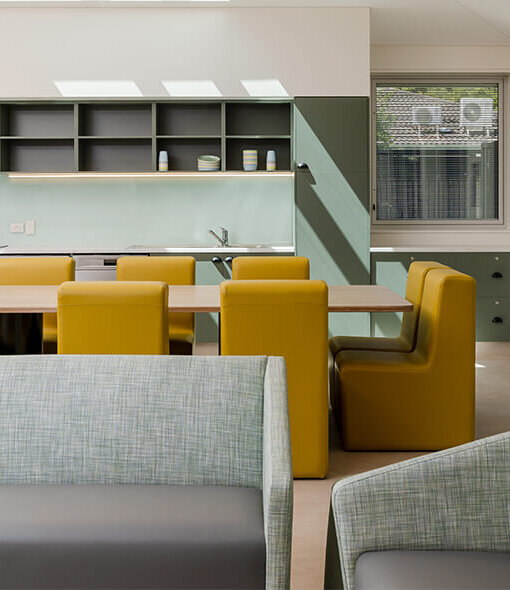

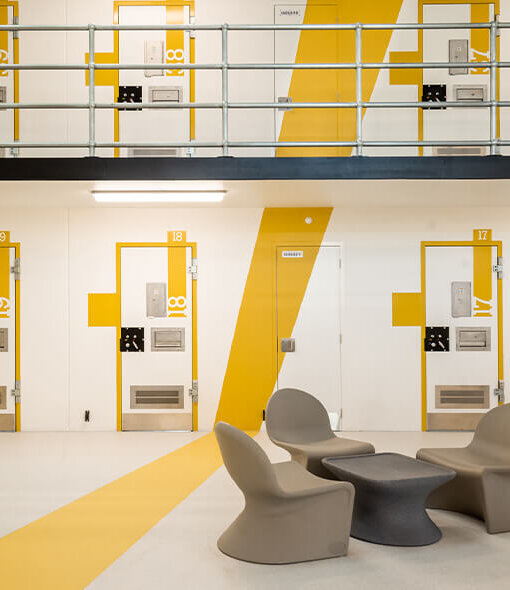
Safety as the Foundation of Care
In mental health environments, safety is not a feature. It is a prerequisite. For many years, ligature risk was addressed primarily through policy, observation, and environmental checks. Today, healthcare providers increasingly recognise that the built environment itself can either reduce risk or unintentionally introduce it.
Furniture has become part of that conversation. When it is purpose-built for behavioural health settings, it supports clinical objectives while helping reduce opportunities for harm. In higher-dependency environments, even small details joins, gaps, edges, fittings, and attachment points can carry significant implications for safety and supervision.
The challenge is not simply to remove risk. It is to do so in a way that still supports dignity, comfort, and everyday care.
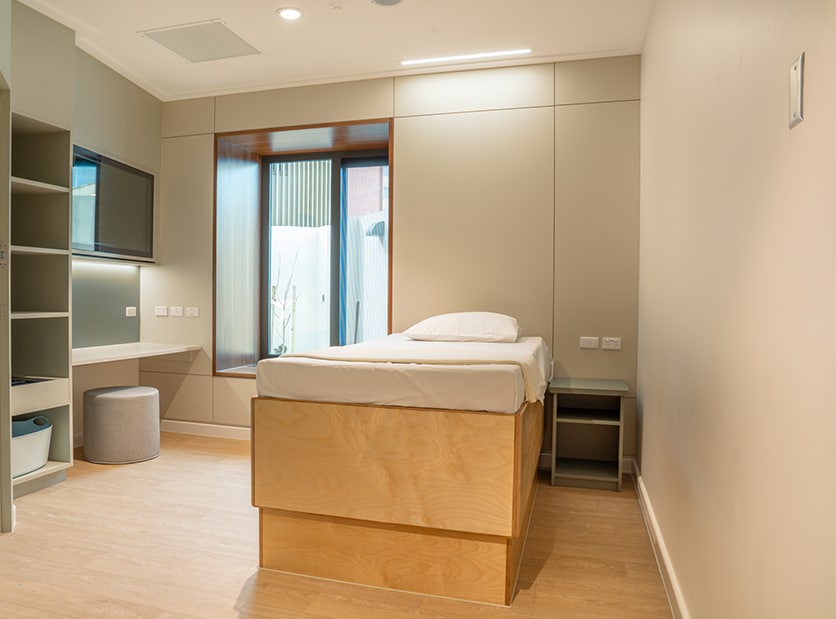
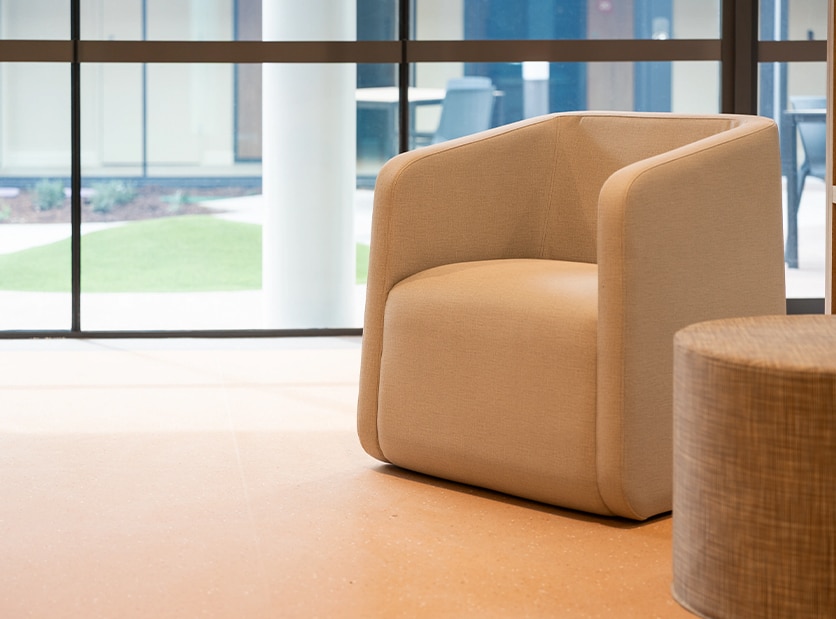
Designing with Intent and Balance
Behavioural health furniture is increasingly being designed with safety, durability, and usability considered together from the outset rather than retrofitted later.
In practice, this often means:
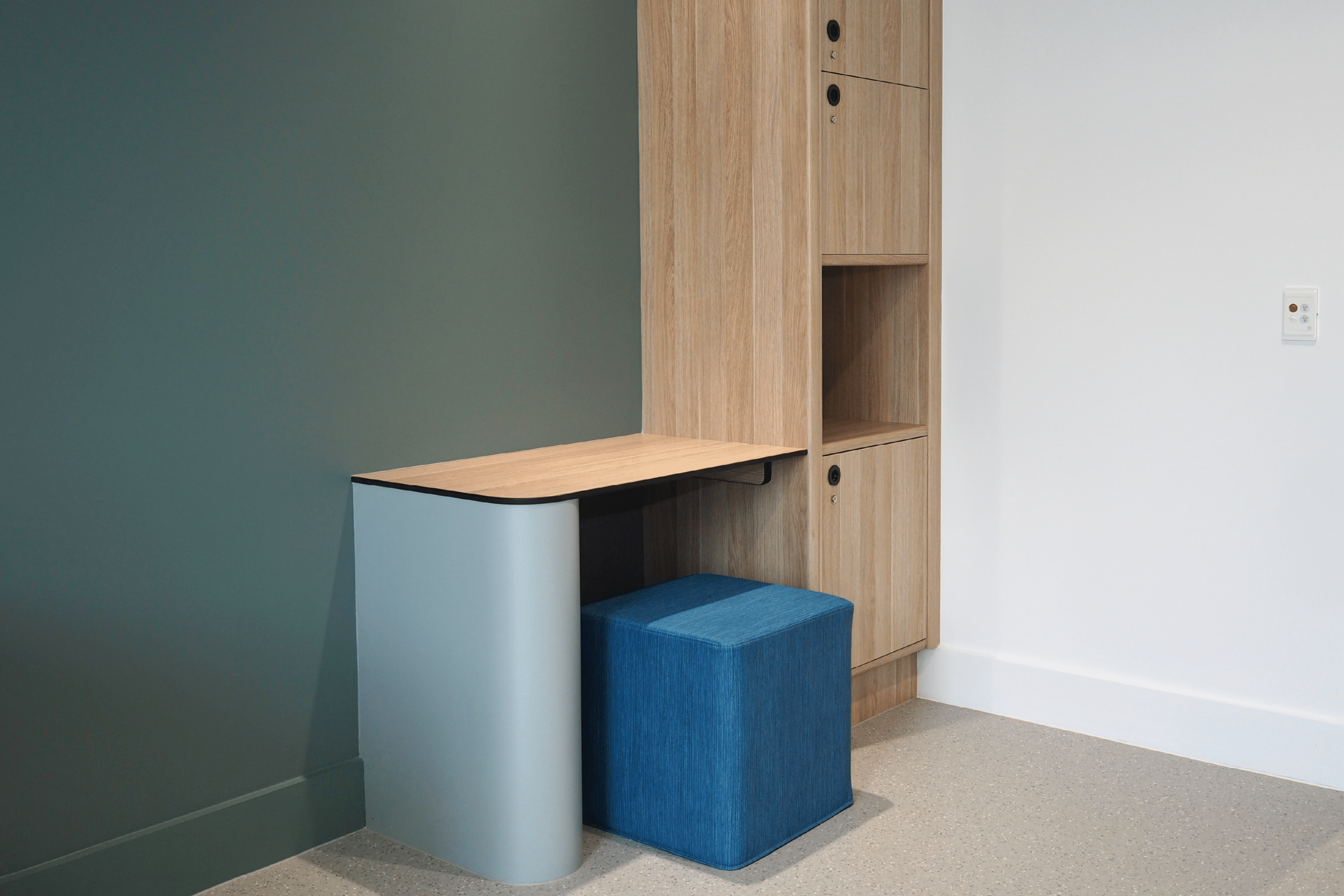
• Smooth, continuous forms that reduce exposed joins and edges
• Concealed or controlled details that limit tampering or misuse
• Robust construction that supports predictability and stability in the space
• Surfaces and profiles designed to guide safe interaction without feeling restrictive
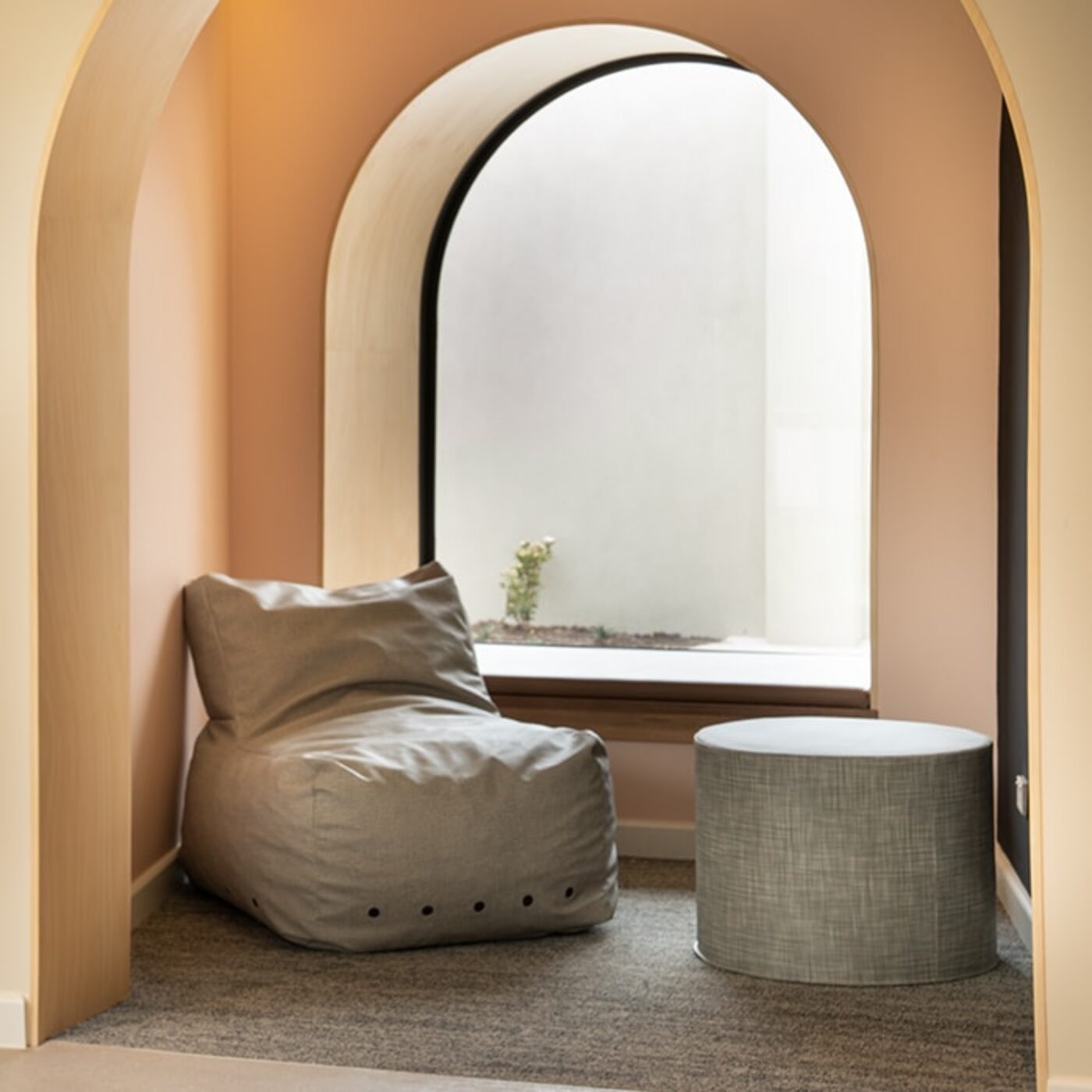
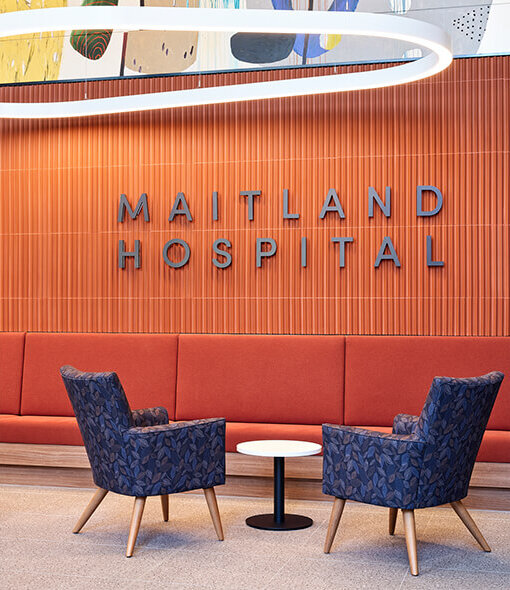
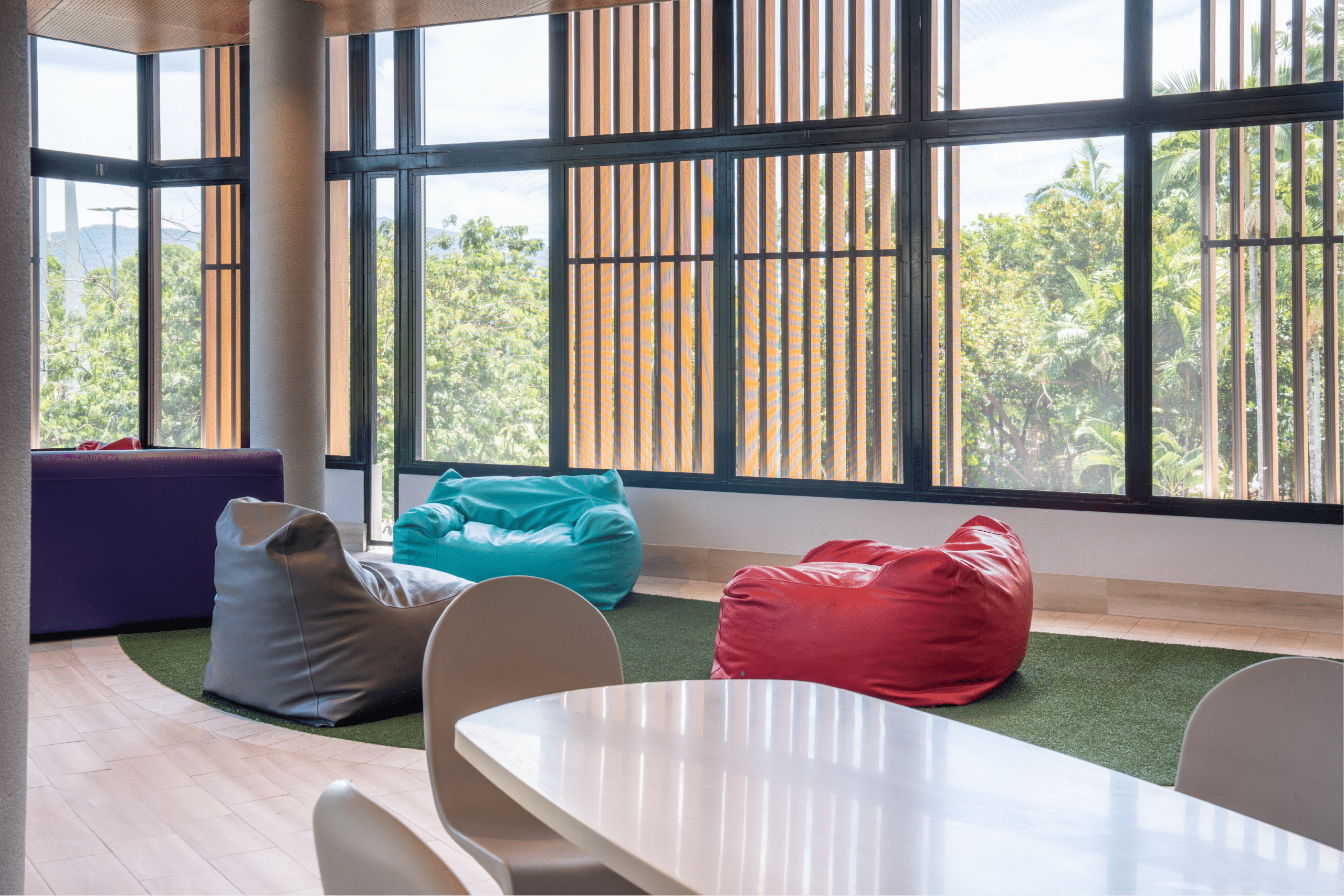
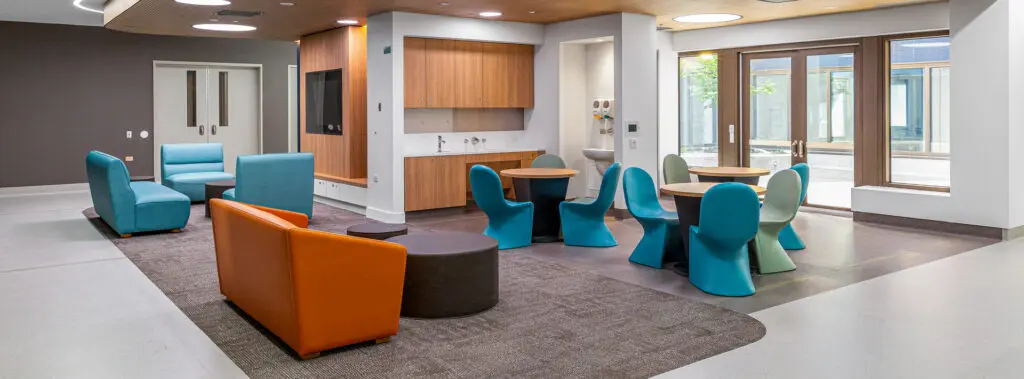
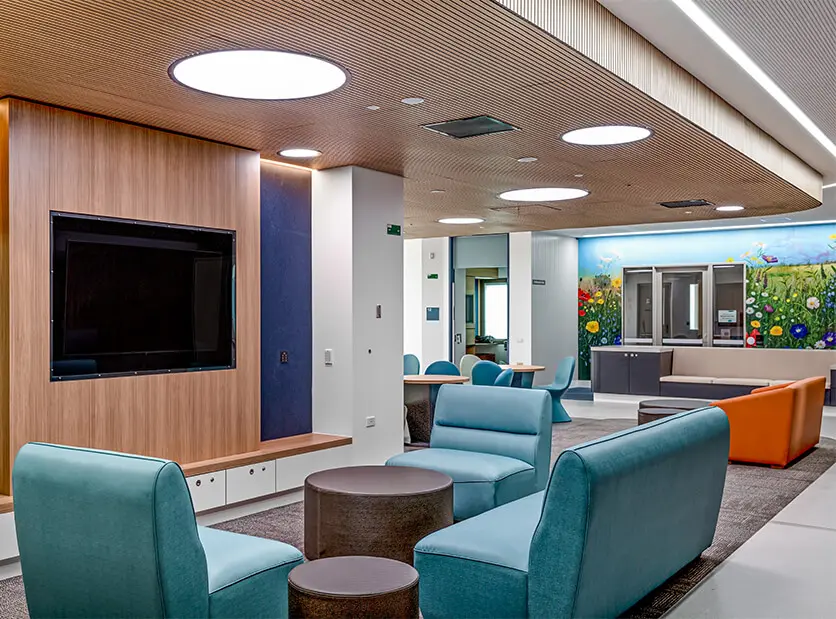
But safety alone is not enough. Spaces that feel overtly institutional can increase anxiety and reduce engagement. The most effective environments balance protection with familiarity using warm materials, human-scaled proportions, and calm finishes that support therapeutic care.
In this sense, safety is not separate from the patient experience. Predictable, respectful environments can help reduce tension, support regulation, and contribute to a calmer setting for both patients and staff.
From Specification to Lasting Outcomes
Furniture selection is often treated as a practical procurement decision. In reality, it shapes how a space functions every day: how safely it can be managed, how easily it can be maintained, and how it is experienced over time.
Purpose-built furniture helps standardise safety performance across rooms and facilities while reducing repair, replacement, and maintenance demands over the life of the asset. Just as importantly, it supports environments that feel stable, consistent, and appropriate for the level of care being provided.
The most effective mental health environments are those where safety is present without feeling intrusive. Furniture contributes to that outcome by shaping behaviour, movement, and interaction in ways that are natural rather than overtly restrictive.
Reducing ligature risk is rarely the result of a single product or specification. It comes from many considered decisions working together. Over time, those decisions do more than help prevent harm they help create environments that feel steady, respectful, and supportive of recovery.
Get in touch today