 Save and group your favourite furniture
  Create separate moodboards for each project
  Export your moodboards as PDFs

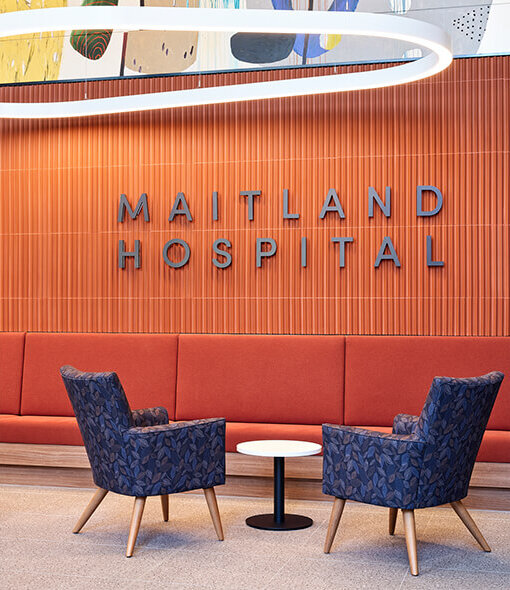
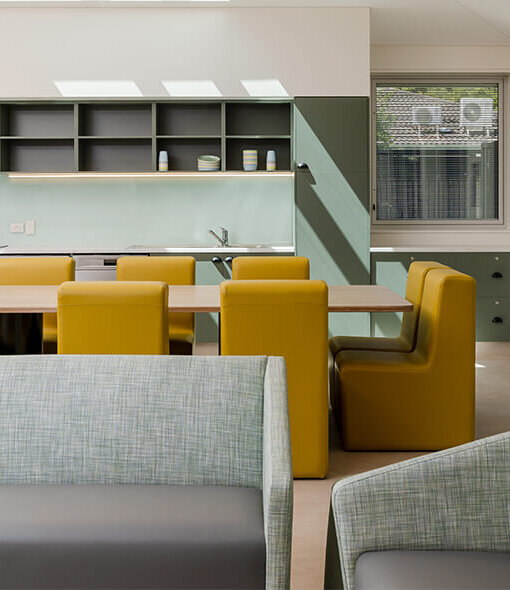

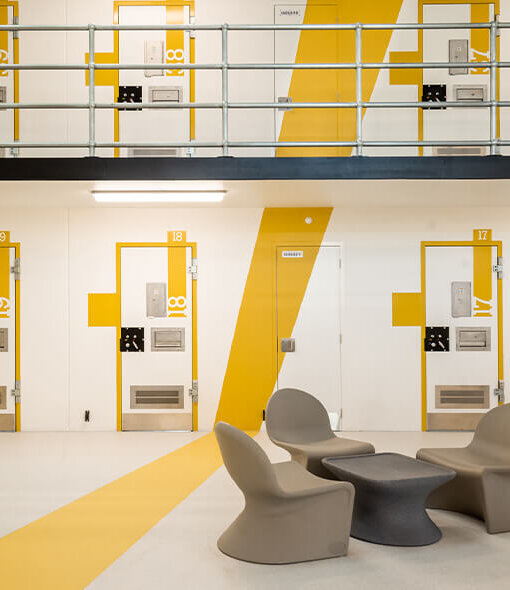
The way a space feels can influence how people respond within it. In mental health environments, that influence carries real weight. Individuals may arrive during periods of vulnerability, while care teams operate in settings that must balance safety, efficiency, and compassion every day.
In these spaces, furniture serves a purpose far beyond function. For many years, solutions in higher risk settings prioritised protection above all else, often resulting in interiors that felt institutional and impersonal. Today, mental health providers recognise that safety and comfort are not competing priorities. Calm, adaptable and thoughtfully designed spaces actively support recovery, and adaptive furniture is central to enabling that shift.
From Controlled Settings to Therapeutic Environments
Contemporary mental health design is focused on outcomes, not on restrictions. Rooms are no longer viewed solely as controlled environments, but as therapeutic settings that influence behaviour, emotional regulation, and engagement.
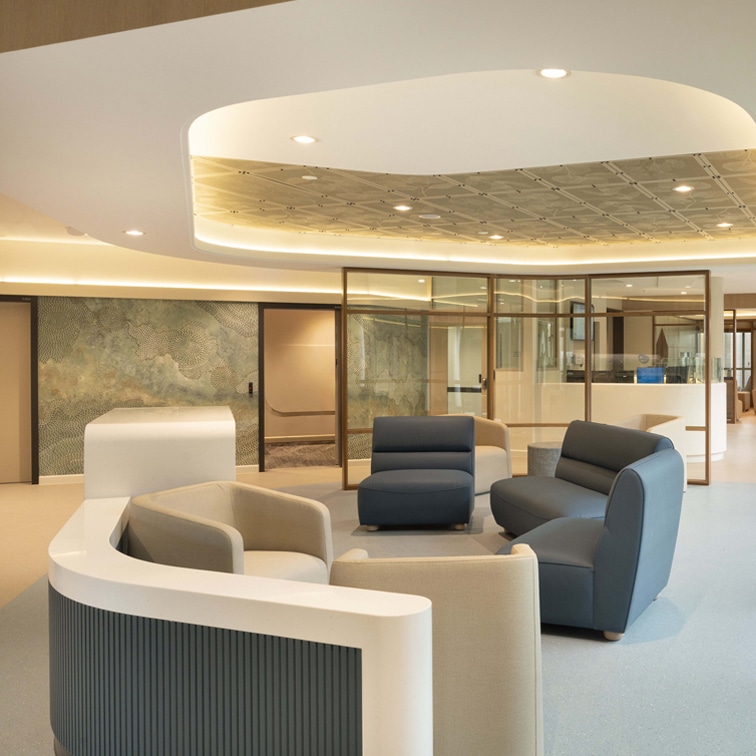
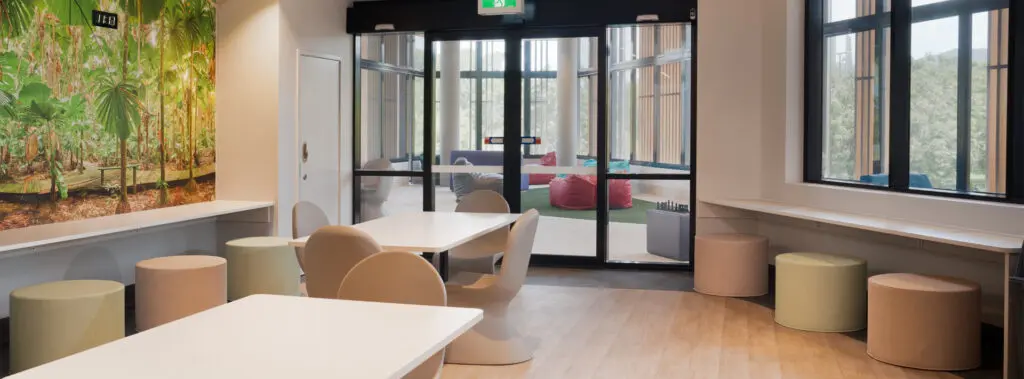
Furniture plays a subtle yet significant role in this transformation. When spaces feel welcoming rather than clinical, they can help reduce anxiety, encourage positive interaction and reinforce dignity. Soft forms, curved silhouettes and residential inspired styling help normalise clinical settings, creating environments that feel considered rather than corrective.
Safety remains essential. However, modern design integrates protective features seamlessly, providing reassurance without visual severity. The goal is clear: create spaces that protect while maintaining a sense of humanity.
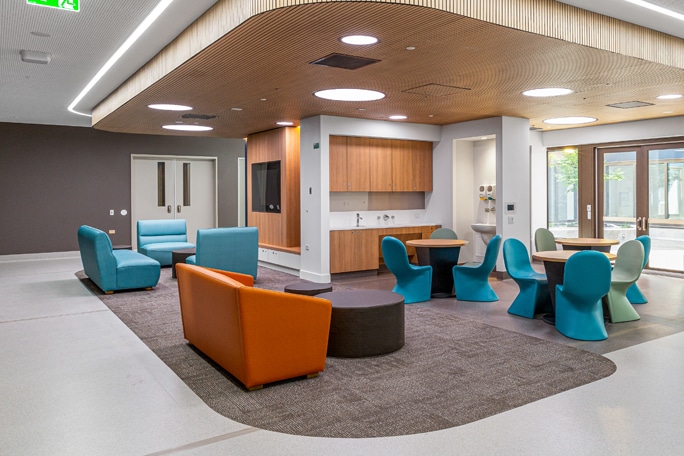
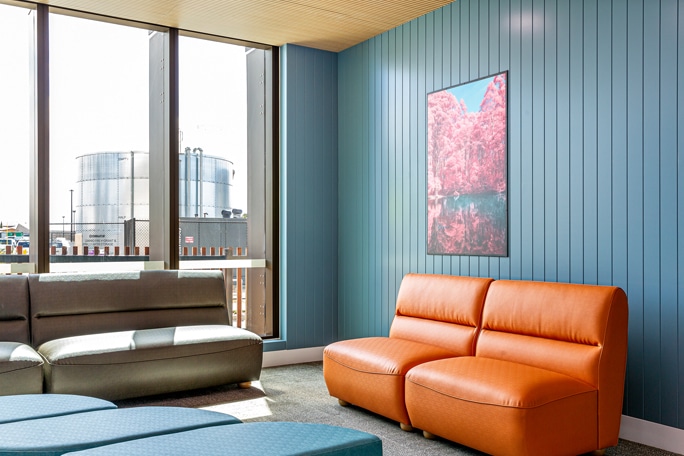
Adapting to the Realities of Care
Mental health environments are dynamic by nature. A single room may support one on one counselling in the morning, group programs in the afternoon and quiet reflection later in the day. Fixed layouts can limit how effectively these spaces function.
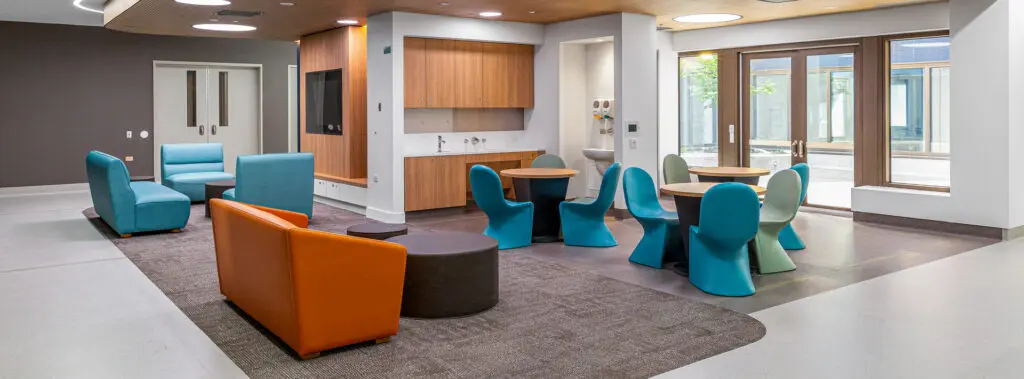
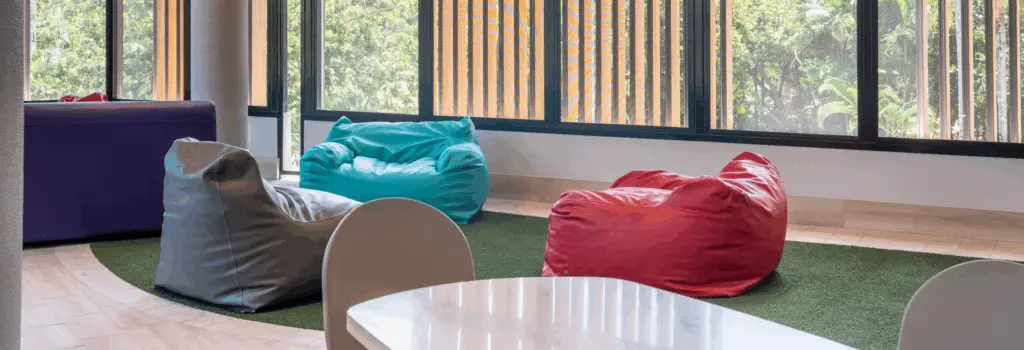
Adaptive and modular furniture allows environments to evolve alongside care needs. Reconfigurable seating, modular lounges, and flexible layouts make it easier to adjust spaces quickly and safely. This supports social inclusion, improves functionality and allows care teams to respond to changing patient requirements without disruption.
Importantly, adaptability also delivers long term value. As models of care evolve, spaces can be adjusted without extensive refurbishment. Facilities remain responsive, future ready and aligned with contemporary mental health principles.

Designed for Performance, Built on Trust
At Crown Furniture, designing mental health settings means balancing durability with empathy. Furniture must perform in demanding environments while contributing to spaces that feel calm, secure, and supportive.
Strength, stability, and safety are fundamental. Equally important is creating interiors that avoid an institutional feel. Residential inspired detailing, subtle curves and modular configurations help transform behavioural health environments into spaces that feel approachable and considered.
Purpose built furniture also supports operational efficiency through ease of maintenance and long-term reliability, critical factors for facilities managing intensive daily use.
As a third-generation family owned Australian manufacturer, we approach every project with care and collaboration. Our focus is on delivering tailored solutions that help organisations create environments centred on safety, dignity, and lasting wellbeing.
Begin Designing Spaces That Support Recovery
Start a conversation with our team to explore tailored solutions for safer, more supportive mental health environments.
Chat with us online or call 1 800 194 194.

Get in touch today